Big Think
@bigthink·8.8M subscribers·10.1K videos
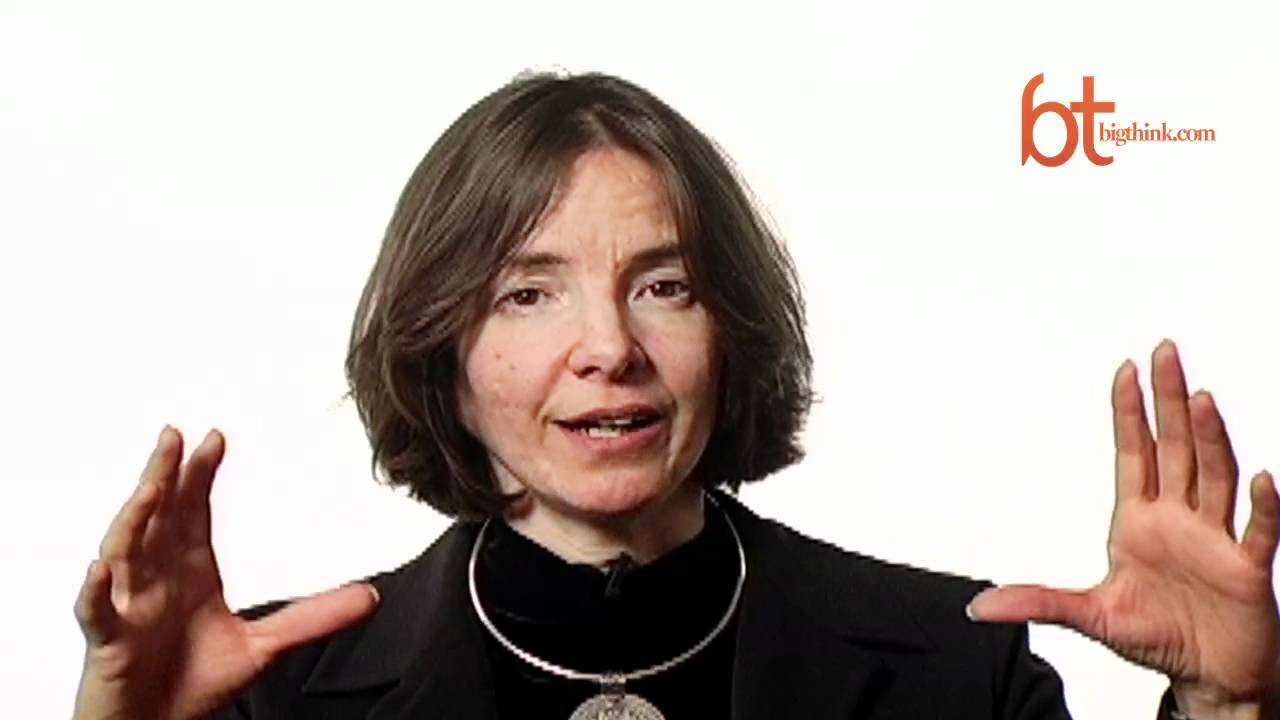
Big Think Interview With Marcelo Magnasco | Big Think
Posted
April 24, 2012
Views
813
Likes
11
Engagement
1.35%
April 24, 2012
813
11
1.35%
Every word spoken in this episode is indexed. Type any phrase to jump straight to the moment it was said.
Type any word or phrase that may have been spoken. Click a result to seek the player to that exact moment.
Try a name, a topic, or a quoted line
 28:54Now Playing
Big Think Interview With Marcelo Magnasco
New videos DAILY
Join Big Think Edge for exclusive videos
----------------------------------------------------------------------------------
A conversation with the head of the Laboratory of Mathematical Physics at Rockefeller University
----------------------------------------------------------------------------------
Marcelo Magnasco:
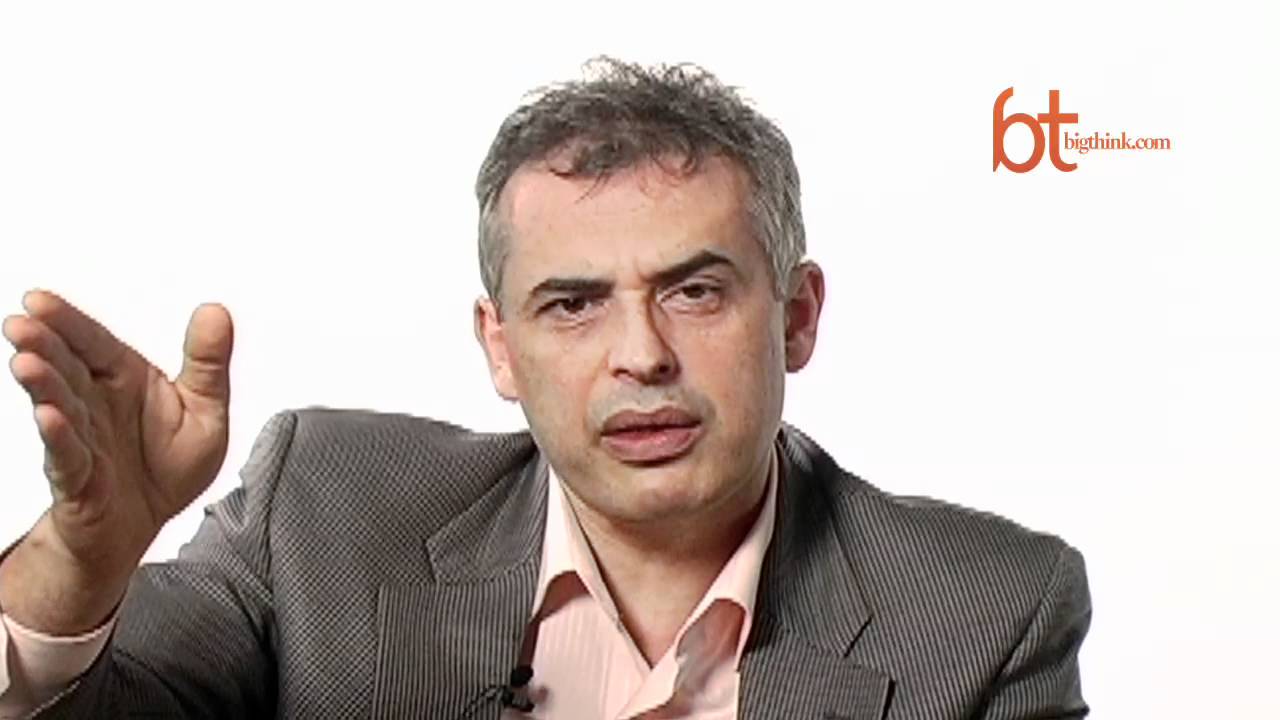
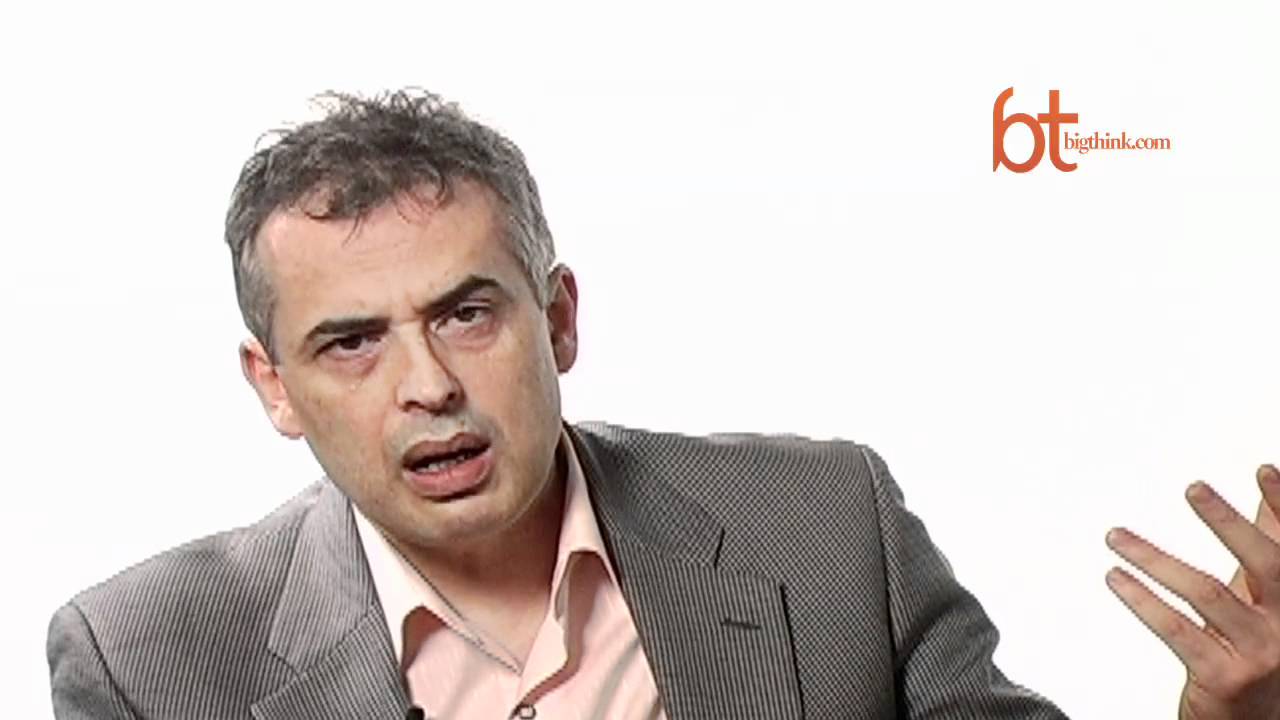
Marcelo Magnasco is the Head of the Laboratory of Mathematical Physics at Rockefeller University, where he leads a group of physicists who use living beings as a source of inspiration for creating new mathematical descriptions of nature. His work often looks at many aspects of sensory processing, including auditory, visual and olfactory. Dr. Magnasco graduated from the National University of La Plata in Argentina with a bachelor’s degree in physics in 1987. He received his Ph.D. in physics from The University of Chicago in 1992.
----------------------------------------------------------------------------------
TRANSCRIPT:
Topic: The Eclipse in the Odyssey
Marcelo Magnasco: Back at the beginning of the century an astronomer named Carl Schoch decide to try to date a passage in the Odyssey that has been interpreted by many since classical times explaining the description of an eclipse. It’s a little bit of a difficult passage to try to interpret this lunar eclipse because the passage takes place indoors and the suitors who are supposed to be seeing this omen do not see it. But otherwise the description of an eclipse by Carl Schoch is very ****. So Carl Schoch tried to date this eclipse and he found that the only possible date would have been April 16, 1178 BC, which could agree rather well with the classical estimates of the Fall of Troy around 1190 BC okay the last ten years it takes for Odysseus to get back. We took these and we said okay if this is the only evidence that you find then the Odyssey is just a social story right; you can it’s neither here nor there right, what are you gonna do. You can’t corroborate it by any means just looking at the tapes. However, in the Odyssey there’s plenty of other references to things that happen in the sky. There’s a reference to Odysseus navigating by the stars, there’s a reference to seeing Venus high in the sky and so what we did was we set aside the eclipse reference and we just took the rest of the other references and looking at all those other references we found that because each one of them happens frequently but in combination all four of them would happen very rarely we were able to say that the only date compatible with these other references was also April 16, 1178 BC. So this gave us what we believe is a fully independent confirmation that on that date might be the date that’s actually inscribed in the Odyssey.
Question: What type of eclipse was Homer describing?
Marcelo Magnasco: Yes so the eclipse being described would be a total solar eclipse lasting a few minutes as they typically do and the narrative takes place at noon so that’s an important data and eclipses are very short and they are seen over very sort of, total solar eclipses are very short and they are seen over a very small swath of the earth because the size of the moon and the size of the sun are the apparent size of the moon and the sun are so near identical that when the moon covers the sun you have to be exactly at one given position and it doesn’t last very long so the description would be compatible with a total solar eclipse. The description says that it happens at noon, indeed the 16, April, 1178 BC eclipse happened close to noon time local time over the Ionian Islands so yeah in addition that particular eclipse would have been pretty impressive because you had all of the planets, all of the visible naked eye planets all of them simultaneously in the sky in a relatively small fraction of the sky as the eclipse happened so it would have been a pretty impressive, pretty impressive anomaly.
Question: Are your findings at all related to the use of the term “wine dark sea?”
Marcelo Magnasco: We haven’t. There has been a huge debate that I haven’t followed in all of its intricacies regarding the Dark-Wine Sea so at some point there was an idea that Wine at the time was way too strong to be drank without diluting and unless you diluted it it acquired some discolorations that looked like the sea. There has been an entire thread of people looking at that. It doesn’t help that we really don’t know exactly from the Homeric language. Some of even the words are still under dispute exactly what they mean.
Read the full transcript at
Sentinel Indexing in Progress
Metadata and chapters are available. Claim extraction for this episode is pending.
All video content is delivered via YouTube embedded players in accordance with the YouTube Terms of Service. Sentinel provides research tools that promote discovery and accountability across political media.