Big Think
@bigthink·8.8M subscribers·10.1K videos
Darwin's Storytellers | Paul Bloom | Big Think
Posted
April 24, 2012
Views
979
Likes
13
Engagement
1.33%
April 24, 2012
979
13
1.33%
Every word spoken in this episode is indexed. Type any phrase to jump straight to the moment it was said.
Type any word or phrase that may have been spoken. Click a result to seek the player to that exact moment.
Try a name, a topic, or a quoted line
 6:10Now Playing
Darwin's Storytellers
New videos DAILY
Join Big Think Edge for exclusive videos
----------------------------------------------------------------------------------
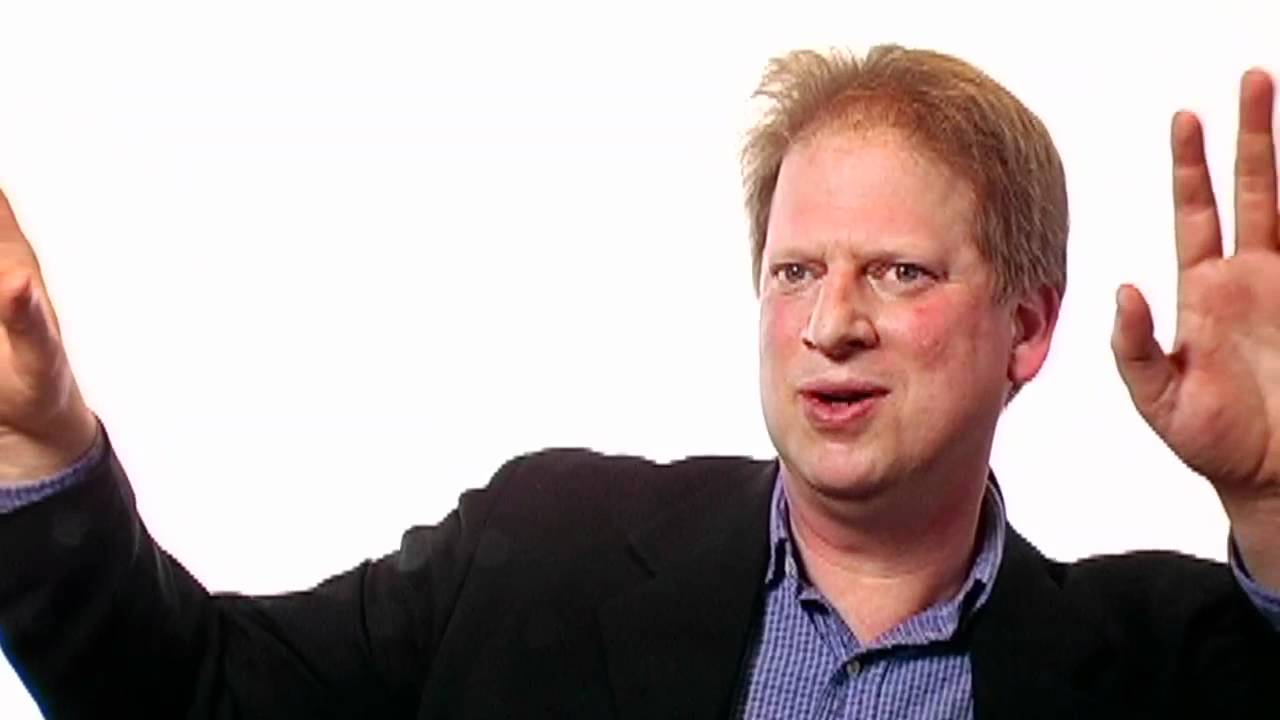
What explains the universal human love of fiction, even horror fiction? Paul Bloom believes it’s an evolved preference that helped our ancestors survive a variety of real-world scenarios.
----------------------------------------------------------------------------------
Paul Bloom:
Paul Bloom is the Brooks and Suzanne Ragen Professor of Psychology at Yale University. An internationally recognized expert on the psychology of child development, social reasoning, and morality, he has won numerous awards for his research, writing, and teaching. Bloom’s previous books include Just Babies: The Origins of Good and Evil and How Pleasure Works: The New Science of Why We Like What We Like, and he has written for Science, Nature, The New York Times, and The New Yorker.
----------------------------------------------------------------------------------
TRANSCRIPT:
Question: Why do humans enjoy fiction?
Paul Bloom: Fiction is such a puzzle. You know, you'd expect as good Darwinian creatures, we would evolve to be fascinated with how the world really is, and we would use language to convey real-world information, we'd be obsessed with knowing the way things are, and we would entirely reject stories that aren't true. They're useless. But that's not the way we work. We love stories. Most average humans spend, I think, most of their day-to-day life reading, watching TV, doing, going to the movies, or day dreaming. We spend all or most of our lives, and imagination is our favorite leisure activity. That's a real puzzle.
So the question is, why do we get pleasure from doing this? And I think there's two main reasons. One reason is that our system that scans reality and gets pleasure from reality is not perfect and it can be deceived. And what fiction often is, is a form of purposeful deception. If I really would enjoy winning the World Series of Poker, then what I can do to give myself pleasure is to imagine winning the World Series of Poker and that will press the same pleasure buttons that really winning it would. Not to the same extent, it's always more pallid to imagine something than to experience it, but to some extent. If somebody enjoys sexual intercourse, they would probably prefer to have sexual intercourse, but failing that, they could appeal to pornography, that would stimulate their mind in some way as if it was the sort of thing they're aspiring to.
And one reason why fiction is pleasurable is, it's reality-like. Often we seek out in fiction pleasurable experiences that we want to have in the real world and it's close enough to be enjoyable.
But that only explains some of fiction. Some of the stores we like, and this is a real puzzle, are unpleasant. People are drawn to tragedies and are drawn to horror movies. Now, it's not hard to explain why I might like to see a movie where a professor wins a million dollars and everything, "Oh, that's great, I can imagine myself in that situation." Why would I want to see a movie where a professor is captured by a sadistic axe murderer and chopped to bits? Why would I seek out something so unpleasant? I think some of what goes on in fiction is that we also use it as a way to imagine alternative worlds and we imagine certain sort of alternative worlds, we imagine worst case scenarios, and we do this because there's an adaptive value to exploring the imagination possibilities that might occur as a way to prepare for them, to plan them. Any athlete thinks ahead to, well, what's going to happen if this happens? What's going to happen if that happens? And these alternatives aren't always pleasant ones. Anybody preparing for a **** or preparing for a combat always imagines situations that are bad situations and do this because it helps prepare for them when they really occur. And I think that's what fiction is. I think what a lot of fiction is, is the imagining of the worst so as to prepare ourselves.
Now, developmentally, I'm interested in where, in the origin of this appreciation of fiction. We know very young children like stories. We know, and this is some work I've done with Dina Weisburg, who's now **** directors, Dina and I looked at children's understanding of stories, again, they're very sophisticated. So they know that their best friend is real and Batman is make-believe. They also know that Batman thinks that Sponge Bob Square Pants is make-believe, those are in different story worlds, but Batman thinks Robin is real, because they're in the same story world. Incredibly sophisticated knowledge. And a lot of my work has explored what children know about fiction.
Read the full transcript at
Sentinel Indexing in Progress
Metadata and chapters are available. Claim extraction for this episode is pending.
All video content is delivered via YouTube embedded players in accordance with the YouTube Terms of Service. Sentinel provides research tools that promote discovery and accountability across political media.