Big Think
@bigthink·8.8M subscribers·10.1K videos
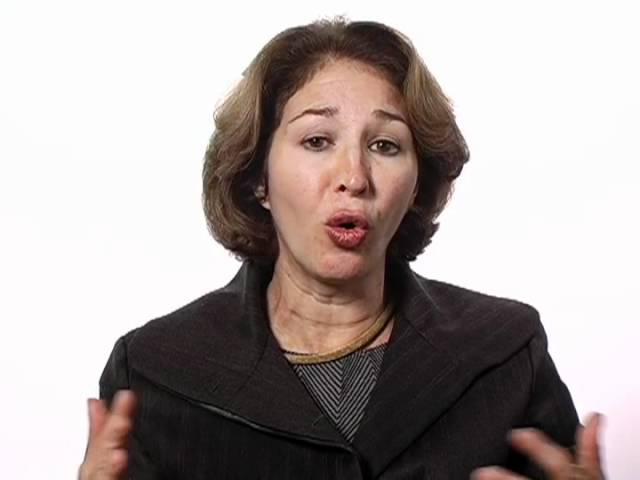
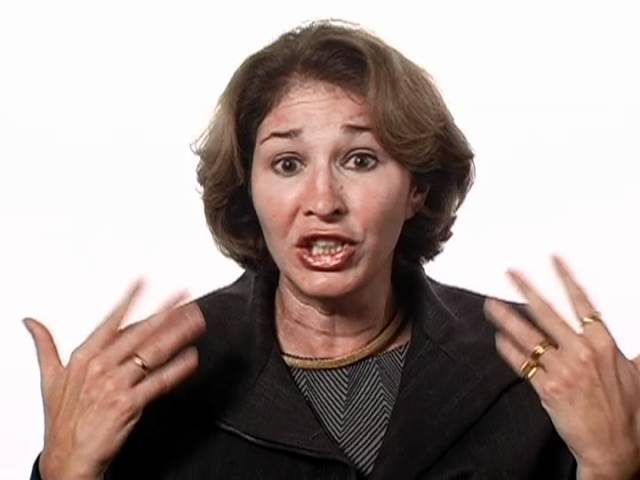
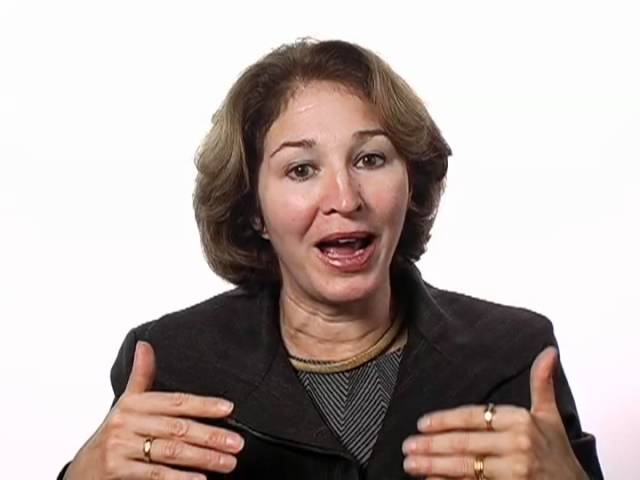
Ezekiel Emanuel On America Today | Big Think
Posted
April 24, 2012
Views
1,003
Likes
9
Engagement
0.90%
April 24, 2012
1,003
9
0.90%
Every word spoken in this episode is indexed. Type any phrase to jump straight to the moment it was said.
Type any word or phrase that may have been spoken. Click a result to seek the player to that exact moment.
Try a name, a topic, or a quoted line
See what was published immediately before and after this episode.
 5:20Now Playing
Ezekiel Emanuel On America Today
New videos DAILY
Join Big Think Edge for exclusive videos
----------------------------------------------------------------------------------
The bioethicist on education and health care.
----------------------------------------------------------------------------------
Ezekiel Emanuel:
Ezekiel Emanuel is the Chair of the Department of Bioethics at the Warren G. Magnuson Clinical Center at the National Institutes of Health. Dr. Emanuel is a well-known authority on the ethics of clinical research, end of life care issues, euthanasia and the ethics of managed care.
He has published in the New England Journal of Medicine, The Lancent, JAMA, and many other medical journals. His book The Ends of Human Life: Medical Ethics in a Liberal Polity received an honorable mention for the Rosenhaupt Memorial Book Award by the Woodrow Wilson Foundation. Dr. Emanuel was educated at Amherst College, Oxford University and Harvard University, from which he holds both an MD and PhD in political philosophy. He also served on the ethics section of President Clinton's Health Care Task Force, on the National Bioethics Advisory Committee, and on the bioethics panel of the Pan American Health Organization.
----------------------------------------------------------------------------------
TRANSCRIPT:
Question: What are the challenges confronting the U.S.?
Ezekiel Emanuel: Well we’re in for a perfect storm. Medicare bankrupting the federal government because we have an increasing number of retirees. And not only an increasing number of retirees, but they’re also living longer. I think the average lifespan now, if you get to 65, is 17 and plus more years. That’s going to be a huge cost on a shrinking number of people who are going to be able to fund that; who are in the working population. So the increase of costs of Medicare, which is going to dwarf the Social Security problem. An increasing number of retirees. And tremendous problems with how to fund that.
Secondly, I worry tremendously about the primary and secondary school educational system. I don’t think we’re investing enough. And one of the reasons we’re not investing enough because so much money is going to Medicare and Medicaid that we have not been spending enough on primary and secondary education.
Educated populous is critical for economic growth. It’s also critical for a functioning democracy. And I think we need a lot more focus on education in this country [USA]. Not only primary and secondary school, but even before nursery school and probably early childhood development. That would be a major place of investment in my opinion.
Ezekiel Emanuel: Look. I think we have more than any culture society has ever had. We seem not to be satisfied by it, and I think that’s a terrible travesty.
Somehow people who are, you know, millionaires and billionaires need “more”. And we need to be able to redistribute it to everyone. I think it’s a shocking number for most people when they realize that the medium income – that means 50% of America’s families – live on less than $50,000. It’s actually lower than that. It’s probably $48,000. Now if you’re having difficulty living on a couple of hundred thousand dollars, or a million dollars a year, the fact that half of Americans live on less than $50,000; that is horrible in this rich country.
And I think we need to give more and to spend more for our collective good. The education of children is not something that is something that we all have an investment in. Having educated children is going to be important for us when we retire because they’re going to be the workforce. And we need a strong economy. It’s going to be important for our democracy and wise political decision. And I think we need to be more generous to the commons in that. And I think the fact that we have all this prosperity, and yet we’re willing to tolerate all this inequality, and some people are willing to; Hedge fund managers think that somehow they’re paying their fair share of taxes instead of paying their taxes at the capital gains right is somehow highway robbery and strikes me as ridiculous, and selfish, and self-indulgent.
Ezekiel Emanuel: Domestically we have to address four problems, and we have to address them relatively soon.
We have to address the global warming/energy problem. As I said, I do think we have the technologies. I do think we need to put in the infrastructure incentives just to let our best inventors and our manufacturing go wild.
Read the full transcript at
Sentinel Indexing in Progress
Metadata and chapters are available. Claim extraction for this episode is pending.
All video content is delivered via YouTube embedded players in accordance with the YouTube Terms of Service. Sentinel provides research tools that promote discovery and accountability across political media.