Big Think
@bigthink·8.8M subscribers·10.1K videos
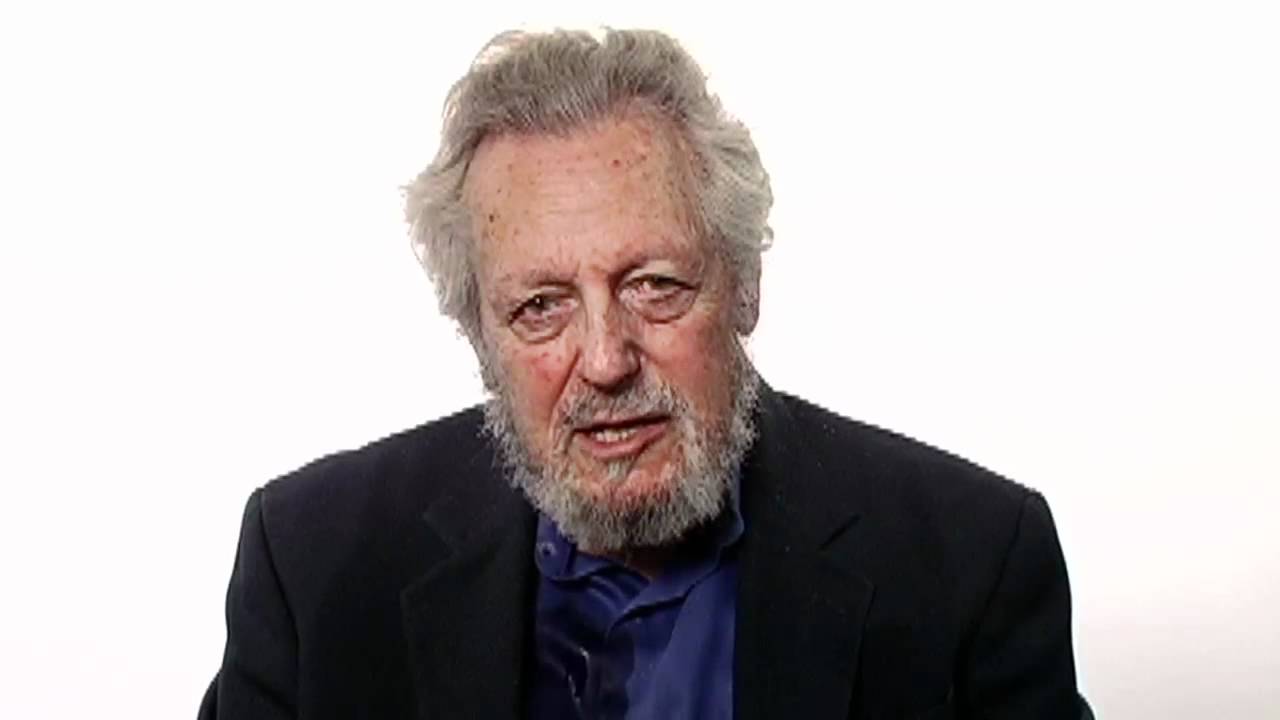
Going Nano-Nuclear | Reihan Salam | Big Think
Posted
April 24, 2012
Views
485
Likes
11
Comments
1
Engagement
2.47%
April 24, 2012
485
11
1
2.47%
Every word spoken in this episode is indexed. Type any phrase to jump straight to the moment it was said.
Type any word or phrase that may have been spoken. Click a result to seek the player to that exact moment.
Try a name, a topic, or a quoted line
Episode Timeline
Every episode in order around the one you’re watching — click any card and the page flips straight to it.
 5:50
5:50 5:05Now Playing
Going Nano-Nuclear
New videos DAILY
Join Big Think Edge for exclusive videos
----------------------------------------------------------------------------------
Could nanotechnology ever help us build nuclear plants at low cost? Or will we have to content ourselves with novelty items like “nano-pants”?
----------------------------------------------------------------------------------
Reihan Salam:
Reihan Salam is a writer, journalist, and Schwarz Fellow at the New America Foundation, a Washington, D.C.-based public policy institute. His writing appears regularly in The National Review, Forbes.com, The Daily Beast, Slate, and other publications. His article "The Death of Macho," concerning the disruptive effects of the recession on men across the globe, appeared in Foreign Policy in 2009. He is the co-author, with Ross Douthat, of "Grand New Party: How Conservatives Can Win the Working Class and Save the American Dream" (Doubleday, 2008).
----------------------------------------------------------------------------------
TRANSCRIPT:
Question: Will the promised nanotechnology boom ever come?
Reihan Salam: I think that it’s interesting. There are a lot of smart people who have argued that we’re actually living in an era of innovation stagnation. A friend of mine humorously was pointing out that whereas during the second industrial revolution you had trains and you had all this kind of really dramatic stuff, the telegraph, things that changed the world. Now okay, we had telephones, then we had computers, then we plugged telephones together with computers and then it was easier to buy airline tickets and stuff like that, and that was awesome, but I mean it’s not obvious how that has really changed the texture of our lives, whereas when you’re looking at nanotechnology, this idea of kind of manufacturing materials at the molecular level, well then we can do pretty much anything. I mean then you could build enormous numbers of nuclear power plants at radically low cost, which would mean that all electrical power would essentially be free, which means that I could surround myself with neon all the time and who knows what kind of effects it would have on my productivity, or a world in which we have machines that are comparable to humans in intelligence and could also be self-improving so that they could again lead all humans to live this tremendous life of luxury in which you could read machine-produced novels or organic novels written by actual people and that would be the job done by half of the population because, again, there is no other economically needful activity. I think that this would be a time of tremendous cultural chaos, but it would also be pretty exciting and neat to see because you would see human ingenuity manifest itself in all kinds of totally unpredictable, unfamiliar ways. So yeah, I think that actually the frustrating thing is that we’re always on the cusp of all of this stuff. I mean there are all these technologies that are like ten years away, pebble-bed nuclear reactors are ten years away.
You know you have nano-pants now, so I spill orange juice on my pants and they won’t stain. That’s pretty cool, but that’s not building nuclear power plants for $5. But I actually am kind of optimistic about this stuff if only because my basic view is that if we don’t have these radical technological advances we’ll all be doomed in the next 50, 60 years, and given that I don’t think we’re going to be doomed I kind of think that there is going to be some deus ex machina kind of thing that will rescue us all, and also when you look at the kind of climate change landscape, I mean you know people talk about cap and trade and it’s like, this is absurd. I mean we’re way past 350 parts per million. You need some kind of radical technological breakthrough to solve this problem, and again, unless Earth turns into a soupy mass in which we’re all dead and a volcano kind of swallows us all in molten lava, we need it. So it’s not really a negotiable thing.
Question: Can technological innovation make nuclear power safer?
Reihan Salam: I think that you’re already seeing lots of new designs for reactors, modular designs, et cetera that seem very attractive, seem radically safer than previous generations of nuclear power plants and when you’re looking at modular designs they solve a lot of different problems. They help solve a problem of cost. They also kind of might spur kind of manufacturing employment. They might spur kind of a new export market for the United States.
Read the full transcript at
Sentinel Indexing in Progress
Metadata and chapters are available. Claim extraction for this episode is pending.
All video content is delivered via YouTube embedded players in accordance with the YouTube Terms of Service. Sentinel provides research tools that promote discovery and accountability across political media.