Big Think
@bigthink·8.8M subscribers·10.1K videos
I've Got My Genetic Profile, Now What? | Big Think
Posted
April 24, 2012
Views
232
Likes
4
Comments
1
Engagement
2.16%
April 24, 2012
232
4
1
2.16%
Every word spoken in this episode is indexed. Type any phrase to jump straight to the moment it was said.
Type any word or phrase that may have been spoken. Click a result to seek the player to that exact moment.
Try a name, a topic, or a quoted line
See what was published immediately before and after this episode.
 2:01
2:01 3:04
3:04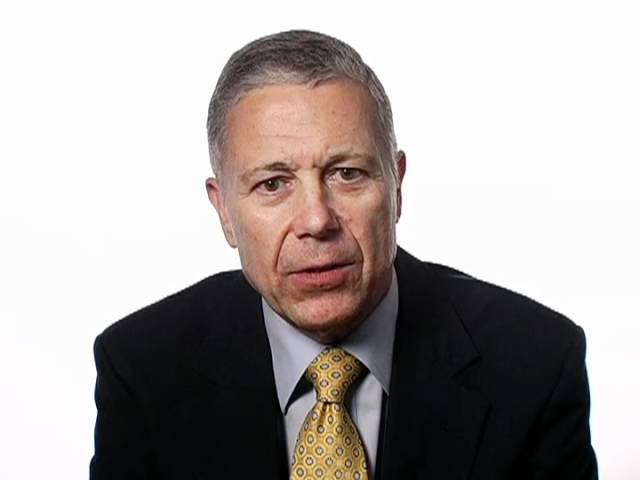 2:12Now Playing
I've Got My Genetic Profile, Now What?
New videos DAILY
Join Big Think Edge for exclusive videos
----------------------------------------------------------------------------------
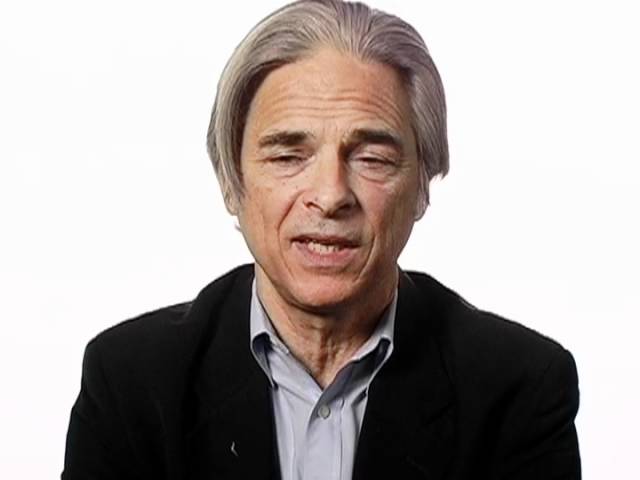
Dr. Nicholas LaRusso wants to help people modify their lifestyles based on their DNA.
----------------------------------------------------------------------------------
Nicholas F. LaRusso:
Nicholas F. LaRusso, M.D., Charles H. Weinman Endowed Professor of Medicine, is Director of the Center for Innovation at Mayo and a Distinguished Investigator of the Mayo Foundation.
Prior to becoming Center Director in 2008, he was Vice Chair for Research of the Department of Medicine (DOM), Chair of the Division of Gastroenterology and Hepatology, and Chair of the DOM at Mayo Clinic. Before assuming a faculty position at Mayo in 1977, he was a guest investigator at the Rockefeller University in the laboratory of the Noble laureate, Christian de Duve. A member of the American Association of Clinical Investigation and the Association of American Physicians, he is the former editor of GASTROENTEROLOGY and past president of the American Association for the Study of Liver Diseases (AASLD). Among other honors, he is a recipient of a MERIT Award and the Principle Investigator on two R01s from the NIH; he also received Distinguished Achievement Awards from both the American Gastroenterological Association (AGA) and the AASLD, and the Distinguished Mentor Award of the AGA. He is currently President of the AGA.
He received his undergraduate degree (magna cum laude) from Boston College, his M.D. degree from New York Medical College, and his training in internal medicine and gastroenterology at Mayo, the latter as an NIH fellow in the laboratory of Alan Hofmann.
----------------------------------------------------------------------------------
TRANSCRIPT:
Question: What initiatives are you working on at Mayo?
Nicholas LaRusso: We now have active pilot projects testing the ability to provide what we call eConsoles, or virtual consoles, electronically to providers all over the country, primary care providers. We believe that the initial effort should not be directly to patients but the patients to their primary care provider because we think that patients are ultimately going to need a continuous relationship with a team of providers in their own community. That’s a second initiative that we have. It’s something called the Advanced Medical Home where we’re organizing teams of providers to maintain a continuous relationship with patients within their community.
The third initiative, that gets to the genetic profiling, is we’re trying to understand through designer-centered research. This is available commercially. There are three companies out there that will provide you with a genetic analysis if you provide them with the biological specimen, whether it’s a blood sample or a spit sample or a hair sample. We’re trying to find out what do patients expect when they do this, and when they get the information that says they have, based on your genetic profile, 40% increased chance of getting type II diabetes or threefold increase in the chance of getting Alzheimer’s disease. How do they understand that? How does that affect the way they think about their health? What do they do with that information? What do the primary care providers that they may go to with that information, how do they understand it? How does this affect their ability to modify their lifestyle? And so, that will be a third concrete project that we’re engaged in.
Sentinel Indexing in Progress
Metadata and chapters are available. Claim extraction for this episode is pending.
All video content is delivered via YouTube embedded players in accordance with the YouTube Terms of Service. Sentinel provides research tools that promote discovery and accountability across political media.