Big Think
@bigthink·8.8M subscribers·10.1K videos
Learn to Profit With a Sustainable Mindset | Big Think
Posted
April 24, 2012
Views
301
Likes
1
Comments
1
Engagement
0.66%
April 24, 2012
301
1
1
0.66%
Every word spoken in this episode is indexed. Type any phrase to jump straight to the moment it was said.
Type any word or phrase that may have been spoken. Click a result to seek the player to that exact moment.
Try a name, a topic, or a quoted line
See what was published immediately before and after this episode.
 3:32Now Playing
Learn to Profit With a Sustainable Mindset
New videos DAILY
Join Big Think Edge for exclusive videos
----------------------------------------------------------------------------------
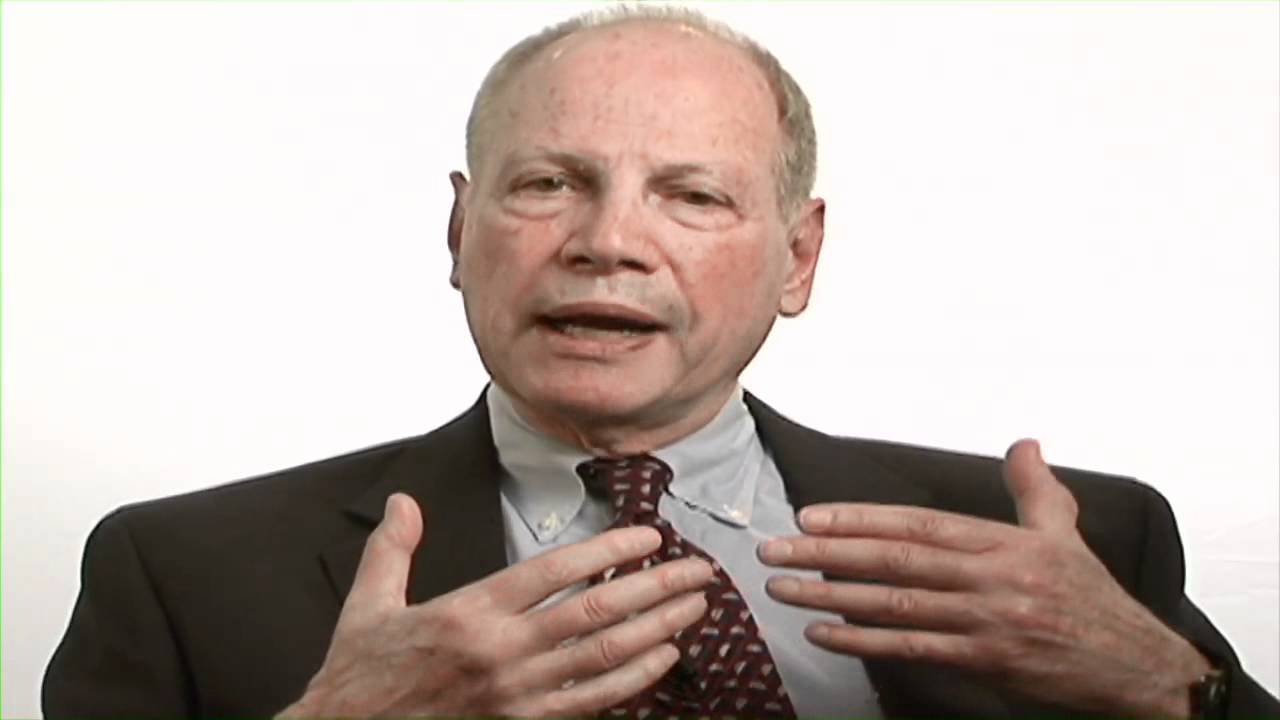
Dean of the Fuqua School of Business at Duke University Blair Sheppard reconciles profits with sustainability in this insightful video about the new mental model required for success in an uncertain world.
----------------------------------------------------------------------------------
Blair Sheppard:
Blair Sheppard is dean of Duke University’s Fuqua School of Business and chair and founder of Duke Corporate Education, the first full-service provider of customized, enterprise-wide management education to global organizations. He has consulted to more than 100 companies and governments in the areas of corporate strategy, relationship management, structure and leadership, and his research has resulted in more than 50 books and articles. Prior to founding Duke CE, Sheppard was the senior associate dean of Fuqua and played a leading role in the creation of two innovative management education programs. He received his bachelor and master’s degrees from the University of Western Ontario and his PhD from the University of Illinois.
----------------------------------------------------------------------------------
TRANSCRIPT:
Blair Sheppard: One of the things that's happened in business is that, to the pursuit of shareholder value, we've lost raison d'etre.
Blair Sheppard, Dean, Fuqua School of Business, Duke University.
If you get your raison d'etre right, it's not in conflict with making money. It just frames how you do it. So that you do it in a way which is more likely to sustain itself over time, and more likely to contribute to society in a larger sense.
It turns out you fail fast when you've lost your raison d'etre. The year before Arthur Anderson was put out of business, it was the number one company for most business schools in the world. Students wanted to go there. Why? Because they made a lot of money, they were really professionally well-developed, it was a spectacular firm to work for. But they forgot the raison d'etre, which was to ensure fairness and honesty in a market place, it was to make sure that the numbers that we produced were numbers we could believe. As soon as they forgot that, they failed overnight.
Enron failed overnight. Financial services firms failed overnight. Why? Because a whole bunch of reasons; they didn't have the right risk controls in place, they forgot that their brand mattered, they forgot that their franchise mattered, but at one level, you can look at it and say they forgot their raison d'etre.
All I'm saying when I say there's a moral side of business is something that is straightforward, which is, remember why you're in business, and predicate every decision you make on that, as well as whether you are going to make money.
And it turns out if you do those two things together, you will sustainably make money. Forget the one, you go out of business overnight. Forget the other, you go out of business because you won't have the cash to support the business.
Question: What can companies do to prepare for an uncertain future?
Blair Sheppard: Right now, what they need to do is fix what's broken and invent the future. But as they come out of it, the question of what's the mental model you should have for how you manage its success, there is no question that what you need to do is innovate and cull at the same time, always.
What occurs, unfortunately, is as we get wealthy, we forget to cull. So what has to happen then is you cull in the worst of times, which means lay-offs. If you culled in good times, you can actually re-purpose physical plant, you can train people and put them in new jobs. If you do it when you're wealthy, you can actually absorb the consequences of culling. But if you wait till the bad times to do your culling, you're actually going to devastate both yourself as a firm and your employee base and your customer base.
The issue is: be disciplined at the same time you're being creative. If you are going to be disciplined and at the same time you're being creative, you will prepare yourself for the next downturn, because you will be trim where others won't be, and you'll survive better through difficult times.
Sentinel Indexing in Progress
Metadata and chapters are available. Claim extraction for this episode is pending.
All video content is delivered via YouTube embedded players in accordance with the YouTube Terms of Service. Sentinel provides research tools that promote discovery and accountability across political media.