Big Think
@bigthink·8.8M subscribers·10.1K videos
Solving Some of Africa's Most Difficult Health Problems | Big Think
Posted
April 24, 2012
Views
524
Likes
3
Engagement
0.57%
April 24, 2012
524
3
0.57%
Every word spoken in this episode is indexed. Type any phrase to jump straight to the moment it was said.
Type any word or phrase that may have been spoken. Click a result to seek the player to that exact moment.
Try a name, a topic, or a quoted line
See what was published immediately before and after this episode.
 2:16Now Playing
Solving Some of Africa's Most Difficult Health Problems
New videos DAILY
Join Big Think Edge for exclusive videos
----------------------------------------------------------------------------------
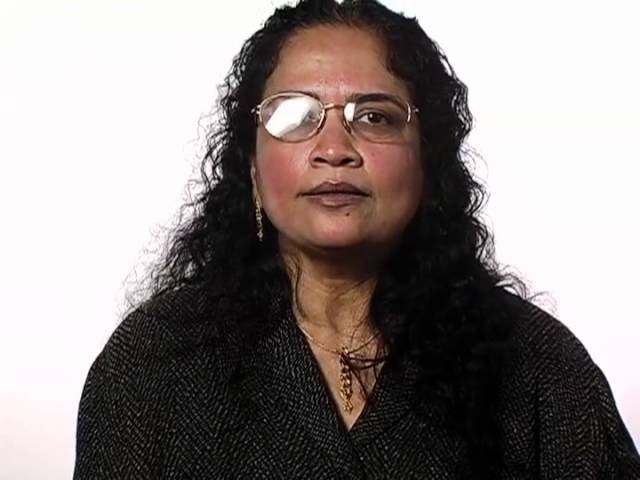
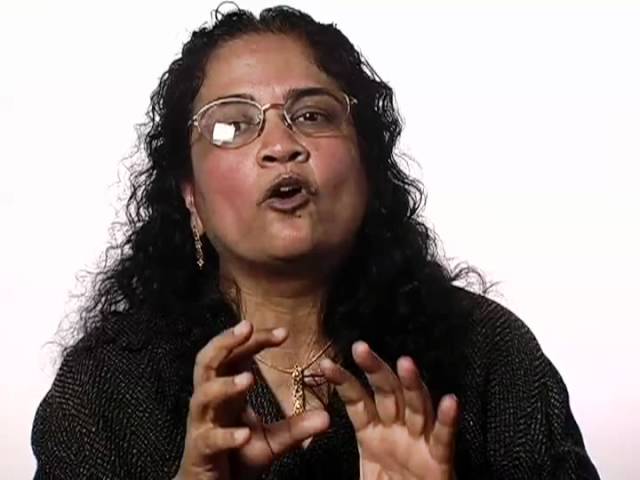
Director of Millennium Villages Project in Rwanda Josh Ruxin shares success stories about public and private partnerships.
----------------------------------------------------------------------------------
Dr. Josh Ruxin:
Dr. Josh Ruxin is an Assistant Clinical Professor of Public Health at the Mailman School of Public Health at Columbia University and Founder of Rwanda Works.
Dr. Ruxin's work focuses on comprehensive approaches to fighting poverty with emphasis on scaling up national health programs and investing in Rwanda’s private sector. He is based in Rwanda where he directs several initiatives including Rwanda Works and the Millennium Village Project.
----------------------------------------------------------------------------------
TRANSCRIPT:
Topic: Success stories in public and private health partnerships.
Josh Ruxin:The Access Project, which is a project that I’ve led in Rwanda for several years and actually which is currently completely led by Rwandese, is a huge success story because when I started up this project we had a fully expat team. So, we had a lot of Americans who were over living in Rwanda, working with the government side by side, literally at the desk with the Minister of Health, as the scaling up began in Rwanda. But over time we managed to build the capacity of Rwandese to take over the project.
Today, the entire project is led by Rwandans, and the private sector is actually taking notice. Pfizer, for example, the pharmaceutical company, has a Global Health Fellows Program and every year they are sending the Access Project some of their key personnel in management, accounting and strategy who are working with this Rwandan team in order to further make improvements to the health care system in Rwanda. That’s a great example of public/private partnership.
Another key partner that we have in Rwanda in the field is General Electric. Through the GE Foundation, GE has done some amazing things in Rwanda and across Sub-Saharan Africa in places like Ghana as well.
They’ve actually said, “We’re not going to give away our worst product. We’re not going to give away our cheapest products. We’re not going to give away last year’s products. We’re going to take our top of the line products, we’re going to send experts out to the field and figure out what are the needs in health centers, in hospitals, and if those countries and those health centers and those hospitals can demonstrate that they are competent and conscientious, and if they can manage and maintain the hardware that we’re willing to put in place, we will send out teams, we will train them in the utilization of this hardware and we will put it out there in the field.”
I’ve seen GE already pour millions of dollars this way into Rwanda and it literally has changed the quality of health care for hundreds of thousands, if not millions of people.
Sentinel Indexing in Progress
Metadata and chapters are available. Claim extraction for this episode is pending.
All video content is delivered via YouTube embedded players in accordance with the YouTube Terms of Service. Sentinel provides research tools that promote discovery and accountability across political media.