Big Think
@bigthink·8.8M subscribers·10.1K videos
The Divided Science | Elinor Ostrom | Big Think
Posted
April 24, 2012
Views
372
Likes
2
Engagement
0.54%
April 24, 2012
372
2
0.54%
Every word spoken in this episode is indexed. Type any phrase to jump straight to the moment it was said.
Type any word or phrase that may have been spoken. Click a result to seek the player to that exact moment.
Try a name, a topic, or a quoted line
Episode Timeline
Every episode in order around the one you’re watching — click any card and the page flips straight to it.
 2:00Now Playing
The Divided Science
New videos DAILY
Join Big Think Edge for exclusive videos
----------------------------------------------------------------------------------
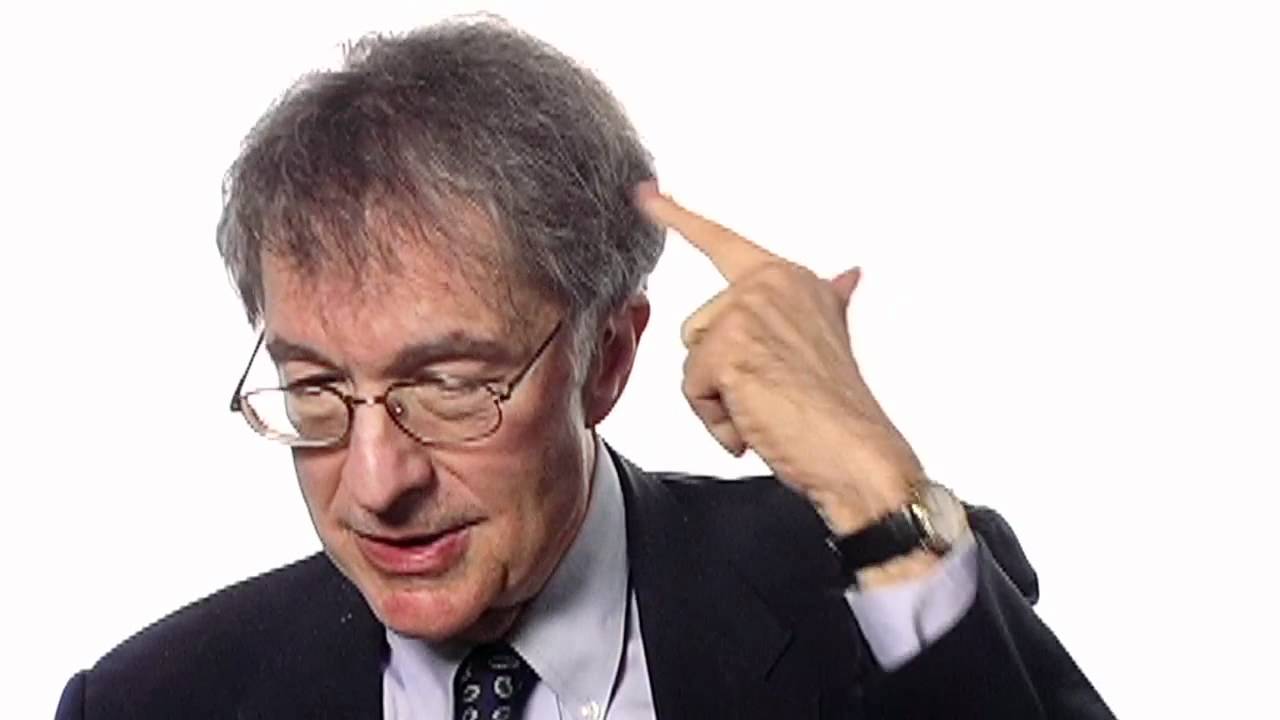
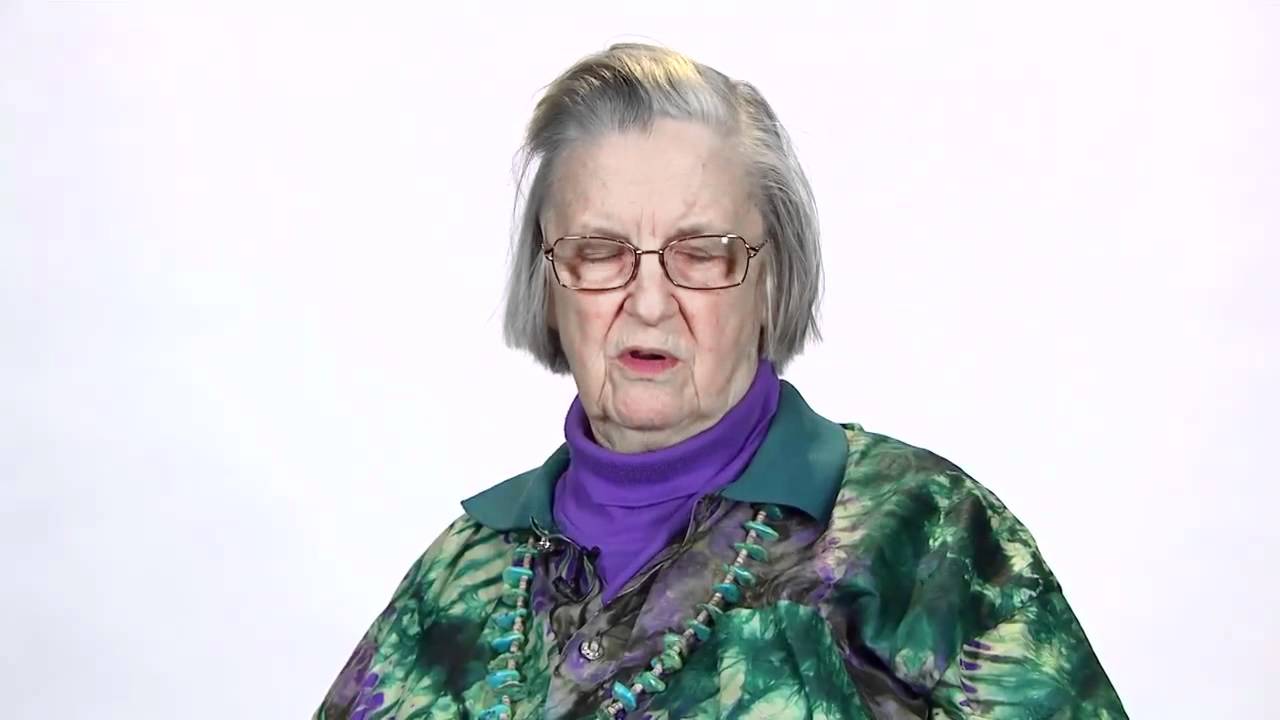
Elinor Ostrom won the 2009 Nobel Prize for economics, yet Paul Krugman, another laureate, has confessed to never having encountered her work. Here she explains how we can move past this discomfiting academic chasm.
----------------------------------------------------------------------------------
Elinor Ostrom:
Elinor Ostrom was awarded the 2009 Nobel Memorial Prize in the Economic Sciences for her analysis of economic governance and commons law. She is the Arthur F. Bentley Professor of Political Science and Co-Director of the Workshop in Political Theory and Policy Analysis at Indiana University in Bloomington and Research Professor and the Founding Director of the Center for the Study of Institutional Diversity at Arizona State University in Tempe. She received her B.A., M.A., and Ph.D from UCLA and is the author of numerous books, including "Understanding Institutional Diversity."
----------------------------------------------------------------------------------
TRANSCRIPT:
Question: Have you experienced a divide in economics?
Elinor Ostrom: There is a strong divide between micro and macro and my theories are all in the micro area. But there's a big challenge in trying to understand why people make the decisions they do and particularly why they make decisions in dilemma-type settings, where our traditional theory had predicted that they would make decisions not to cooperate and they frequently make other decisions.
Question: What are the dangers of this separation between macro and micro?
Elinor Ostrom: Well, I'm more concerned about the broader separation of the social sciences. I think that is a real danger because we can, I call them the silos, if everyone works in their silo, rather than learning from one another, so I work across disciplines and always have. My PhD committee, I had sociology, engineering, economics, and political science on it.
Question: Should the social sciences be more integrated?
Elinor Ostrom: Yes. But it's not integration, it's that people are learning their own discipline. I don't want to get rid of the disciplines entirely, but it is then that people learn how to work together and that the, we have very bad incentives. If you publish outside your discipline, frequently inside your discipline, that's not counted for tenure. And so there are very substantial dis-incentives to do interdisciplinary work. So interdisciplinary and integration are different.
Recorded on: October 25, 2009
Sentinel Indexing in Progress
Metadata and chapters are available. Claim extraction for this episode is pending.
All video content is delivered via YouTube embedded players in accordance with the YouTube Terms of Service. Sentinel provides research tools that promote discovery and accountability across political media.