Big Think
@bigthink·8.8M subscribers·10.1K videos
Is Bisexuality a Phase? | Lisa Diamond | Big Think
Posted
April 24, 2012
Views
1,709
Likes
21
Comments
6
Engagement
1.58%
April 24, 2012
1,709
21
6
1.58%
Every word spoken in this episode is indexed. Type any phrase to jump straight to the moment it was said.
Type any word or phrase that may have been spoken. Click a result to seek the player to that exact moment.
Try a name, a topic, or a quoted line
Episode Timeline
Every episode in order around the one you’re watching — click any card and the page flips straight to it.
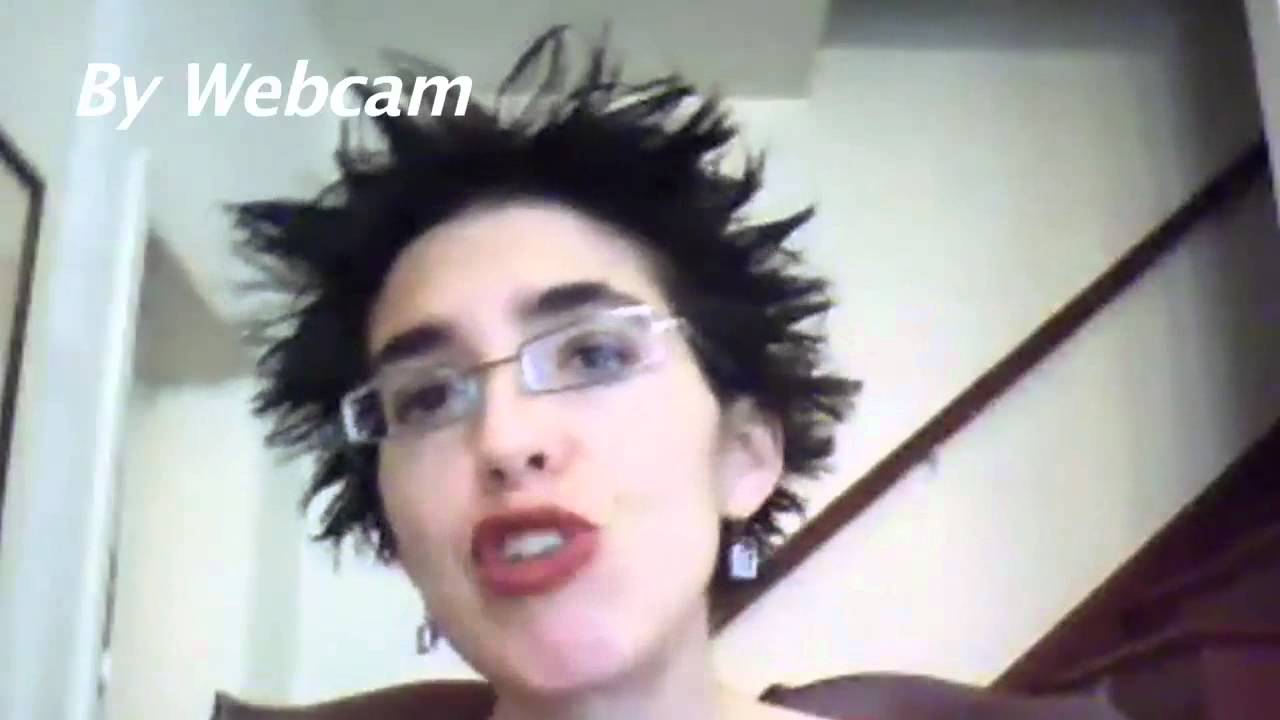 2:08Now Playing
Is Bisexuality a Phase?
New videos DAILY
Join Big Think Edge for exclusive videos
----------------------------------------------------------------------------------
Eighty percent of gay and straight women who changed sexual orientation report being attracted to both sexes.
----------------------------------------------------------------------------------
Lisa Diamond:
Diamond's research focuses on two distinct but related areas -- the nature and development of affectional bonds and the nature and development of same-sex sexuality. The common thread uniting these lines of research is my interest in the psychological and biobehavioral processes underlying intimate relationships and their influence on emotional experience and functioning over the life course.
Her primary research questions are as follows: (1) what are the basic psychological and biobehavioral processes underlying the formation and functioning of affectional bonds; (2) how are these processes related to sexual desire and sexual orientation; (3) what are the implications of affectional bonding for mental and physical well-being at different stages of life? In addressing these questions, she uses a diverse range of research methods, including in-depth qualitative interviews, controlled social-psychophysiological experiments, and assessment of naturalistic interpersonal behavior.
----------------------------------------------------------------------------------
TRANSCRIPT:
Question: Is bisexuality a phase?
Lisa Diamond: Well, it's interesting, because the vast majority of the identity transitions that I observed in my study were transitions to bisexual and unlabeled identities rather than toward lesbian identities. In other words, if there was one big trend, it was toward labels that permitted attractions to both sexes. And the longer a woman had been out and living her life, the more likely she was to acknowledge attractions to both sexes. So that directly contradicts the notion that bisexuality is a phase, because if it was a phase you would find women gradually moving either into a lesbian identity or to a heterosexual identity. And in fact we find the opposite. Eighty percent of the identity transitions that I've observed in the 13 years of the study have been transitions to either bisexual or unlabeled identities, from lesbian or heterosexual identities.
So clearly there's more of a sense of movement toward non-exclusivity than away from it. And again, it also fits the cross-cultural data that we've collected. In every large-scale representative study that's been done, the single largest group of non-heterosexual individuals are individuals who describe themselves as mainly heterosexual, but not completely. So that bisexual range of the scale is in fact the most heavily populated sort of section of the Kinsey scale. For years we assumed that the vast majority of non-heterosexual individuals were exclusively gay and lesbian individuals, and those other categories were really, really small. We had it as wrong as you could have it. The exclusive categories are actually the smallest categories, and those bisexual ranges are actually the largest ranges.
Recorded on November 4, 2009
Sentinel Indexing in Progress
Metadata and chapters are available. Claim extraction for this episode is pending.
All video content is delivered via YouTube embedded players in accordance with the YouTube Terms of Service. Sentinel provides research tools that promote discovery and accountability across political media.