Big Think
@bigthink·8.8M subscribers·10.1K videos
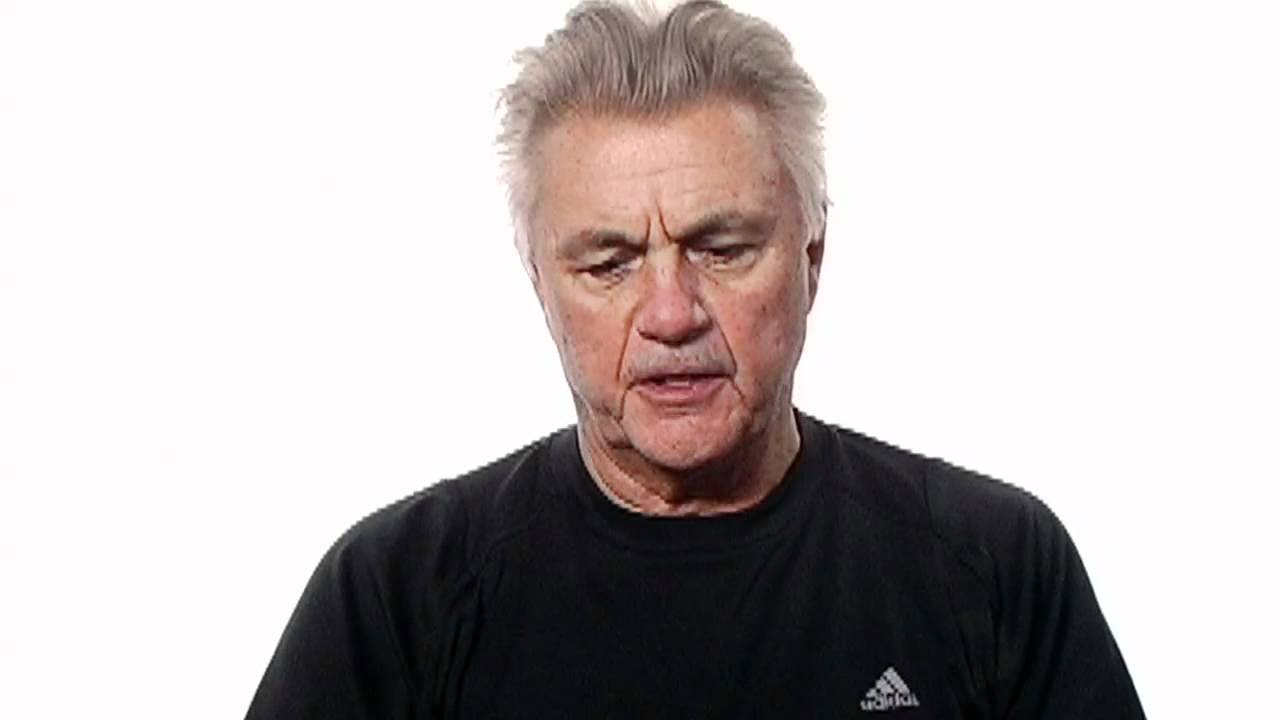
What Keeps Steve Abrams Up at Night | Steve Abrams | Big Think
Posted
April 24, 2012
Views
401
Likes
7
Engagement
1.75%
April 24, 2012
401
7
1.75%
Every word spoken in this episode is indexed. Type any phrase to jump straight to the moment it was said.
Type any word or phrase that may have been spoken. Click a result to seek the player to that exact moment.
Try a name, a topic, or a quoted line
Episode Timeline
Every episode in order around the one you’re watching — click any card and the page flips straight to it.
 2:57Now Playing
What Keeps Steve Abrams Up at Night
New videos DAILY
Join Big Think Edge for exclusive videos
----------------------------------------------------------------------------------
The owner of Magnolia Bakery in New York City doesn’t stay up at night for business reasons anymore.
----------------------------------------------------------------------------------
Steve Abrams:
Steve Abrams is the owner of Magnolia Bakery in New York City. Previousl to that, he had owned various bars and restaurants in Manhattan. His brother Danny is a restaurant owner in Manhattan as well.
----------------------------------------------------------------------------------
TRANSCRIPT:
Question: What keeps you up at night?
Steven Abrams: That my daughter has the most wonderful life she could have, and quite honestly I don't stay up at night for business anymore. I've worked that out, both financially and personally, to not really do that. I've been down that road and it's not a fun place to be, to be kept up at night worrying about a payroll, especially in a small business, or an insurance payment or rent, or are people going to come through the door. Those are very, very difficult things and I've lived through all of those. And usually, prior to this business, I bought an existing business, I had some capitalization of my own going into it and I was able to get some capitalization subsequent to that. I don't worry about that. But historically, what's kept me up at night is making a payroll, getting my collections in, and being able to pay my rent. Those are very, very difficult things and 30 years of business I never missed a payroll. I can tell you that was very difficult to achieve. A lot of the times that money came out of my pocket. A lot of times I scrambled to get that done, but people are working for you and they don't really necessarily care about those problems. They are not your partner. You know you have to make sure that you do that.
Most of my businesses, up until now, have been me conceptualizing a business, going out and raising the money for it and convincing other people it's worthwhile, then going and finding space if it's a restaurant, or space if it's some sort of business that requires that, doing all of the sales and then running the day-to-day of the business. It's exhausting and it's very difficult. I admire anyone who does it any level, whether they have made $100 million [or] they [have] a $500,000 business. The reality is when I folded my construction company a year and a half ago I had [a] $150,000 a week payroll. That didn't feel any different to me than when I was smaller and had a $3,000 a week payroll. They were equally as hard to make in the moment and they felt equally as difficult and hard to get through.
At every level, you're dealing with the same problems. Now you get to a point, hopefully, in your business or if you're lucky enough, like I was, to get something like Magnolia, you have a business that those issues aren't there. The business is strong enough already, I bought into an existing business that I knew had the cash flow to overcome those particular obstacles and there is nothing else in that business that can possibly keep me up at night. So I don't have any worries right now.
Sentinel Indexing in Progress
Metadata and chapters are available. Claim extraction for this episode is pending.
All video content is delivered via YouTube embedded players in accordance with the YouTube Terms of Service. Sentinel provides research tools that promote discovery and accountability across political media.