Big Think
@bigthink·8.8M subscribers·10.1K videos
Why Addicts Shouldn't be Criminalized | Nora D. Volkow | Big Think
Posted
April 24, 2012
Views
1,404
Likes
34
Comments
1
Engagement
2.49%
April 24, 2012
1,404
34
1
2.49%
Every word spoken in this episode is indexed. Type any phrase to jump straight to the moment it was said.
Type any word or phrase that may have been spoken. Click a result to seek the player to that exact moment.
Try a name, a topic, or a quoted line
Episode Timeline
Every episode in order around the one you’re watching — click any card and the page flips straight to it.
 4:26Now Playing
Why Addicts Shouldn't be Criminalized
New videos DAILY
Join Big Think Edge for exclusive videos
----------------------------------------------------------------------------------
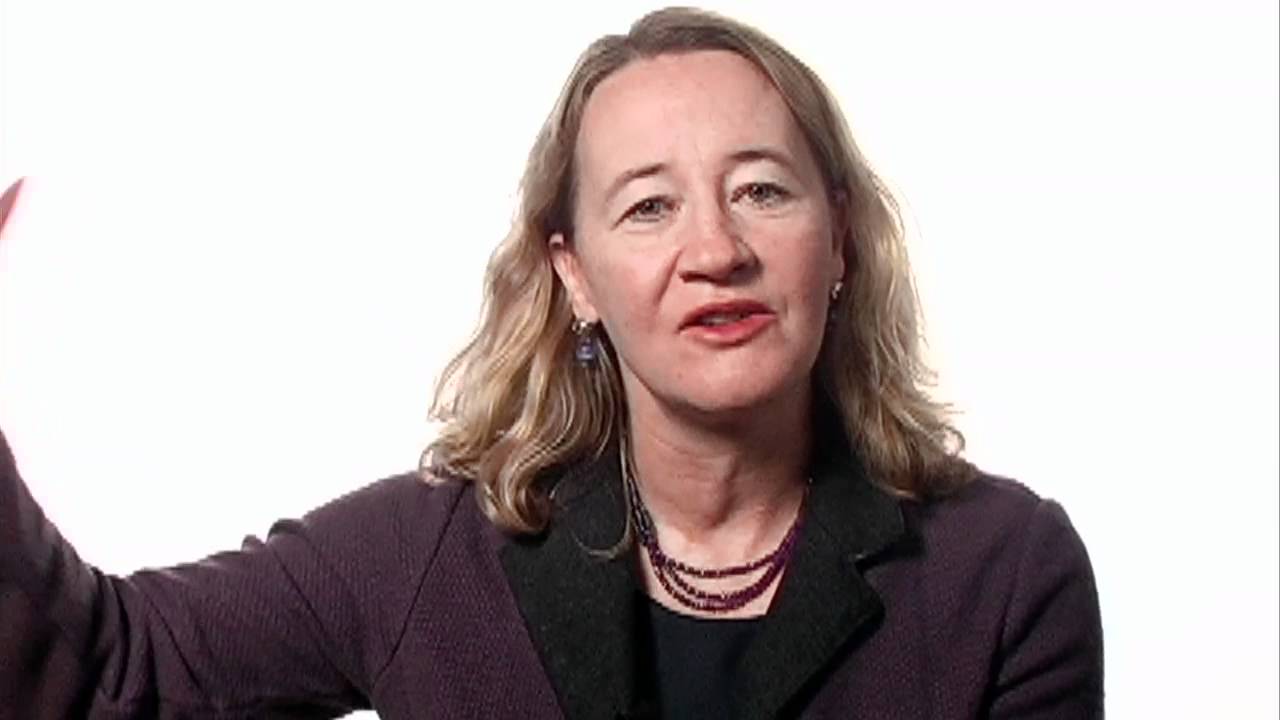
Nora Volkow, Director of the National Institute on Drug Abuse, argues that abusers should be treated the same as anyone with a debilitating disease.
----------------------------------------------------------------------------------
Nora D. Volkow:
Nora D. Volkow, M.D., became Director of the National Institute on Drug Abuse (NIDA) at the National Institutes of Health in May 2003. NIDA supports most of the world's research on the health aspects of drug abuse and addiction.
Dr. Volkow's work has been instrumental in demonstrating that drug addiction is a disease of the human brain. As a research psychiatrist and scientist, Dr. Volkow pioneered the use of brain imaging to investigate the toxic effects of drugs and their addictive properties. Her studies have documented changes in the dopamine system affecting the actions of frontal brain regions involved with motivation, drive, and pleasure and the decline of brain dopamine function with age. She has also made important contributions to the neurobiology of obesity, ADHD, and the behavioral changes that occur with aging.
----------------------------------------------------------------------------------
TRANSCRIPT:
Question: How should drug addicts be treated in society?
Nora Volkow: Drug addiction is a disease of the brain. It's a disease of the brain. We don't put people that have diseases in the jail or in prison because they actually, that's what we decide, right? I don't even dare myself to the concept of putting someone in jail because they have a disease. My brain doesn't even allow me to think that way.
And yet we do that with addicted people and I've thought a lot, why is our society criminalizing the person that's addicted to drugs? And I think it's because it has been very hard for people to recognize that our behaviors and our ability to control our desires is basically the product of very complex systems in the brain that enable us to perceive these desires, to control them, to make the right choices. This is very difficult for people that have all of their faculties intact, to understand that not everybody can do it. And so I sort of easier to say, "Well, if I can do it, that person is not doing it because they are choosing to just have a good time." And so we've taken that approach and I guess the other element that happens with drugs, the drive to take these drugs can be so overpowering, so, so overpowering, because it's hard wiring of the brain, the signaling is this is something that is necessary for survival. That's what drugs have done in a person that's addicted. They've generated the message as the same intense as if you haven't eaten. And it's a signal, you have to eat or you'll die, you have to drink water or you'll die, very, very powerful signals. Very difficult to control. You haven't eaten for one week and you have food in front of you, just try to say no to that food. It's the same drive.
So they can, when they are in those situations, this intense drive, they can do behaviors that are criminal, they can go and steal, in order to be able to get the drug. Like someone who has not eaten for one week, if they have nothing but to steal the food, they may steal the food. So that leads to the criminal behavior that then leads the person and the system to react very negatively, you should not steal. Of course you should not steal. But people should not be hungry, people should not be in the situation that they have to steal in order to eat. That should not happen. Like a person should not be, not given treatment that is in a situation where their body's experiencing the drug as if it were a survival need. They should be provided with treatment.
So yes, we should deal with drug addiction as a disease, like we deal with any of the other medical diseases. We should not be criminalizing it. When we criminalize a drug addict, nobody wins. Certainly you're not going to improve the behavior of that person that is thrown into jail. When they get out of the jail, the first thing they'll do is relapse. Unless you treat them in jail. If you treat them in jail and you maintain the treatment when they leave jail, then you're giving them a chance. If you're throwing them in jail and not providing any treatment or treating them in jail and then throwing them out, they will relapse.
Read the full transcript at
Sentinel Indexing in Progress
Metadata and chapters are available. Claim extraction for this episode is pending.
All video content is delivered via YouTube embedded players in accordance with the YouTube Terms of Service. Sentinel provides research tools that promote discovery and accountability across political media.