Big Think
@bigthink·8.8M subscribers·10.1K videos
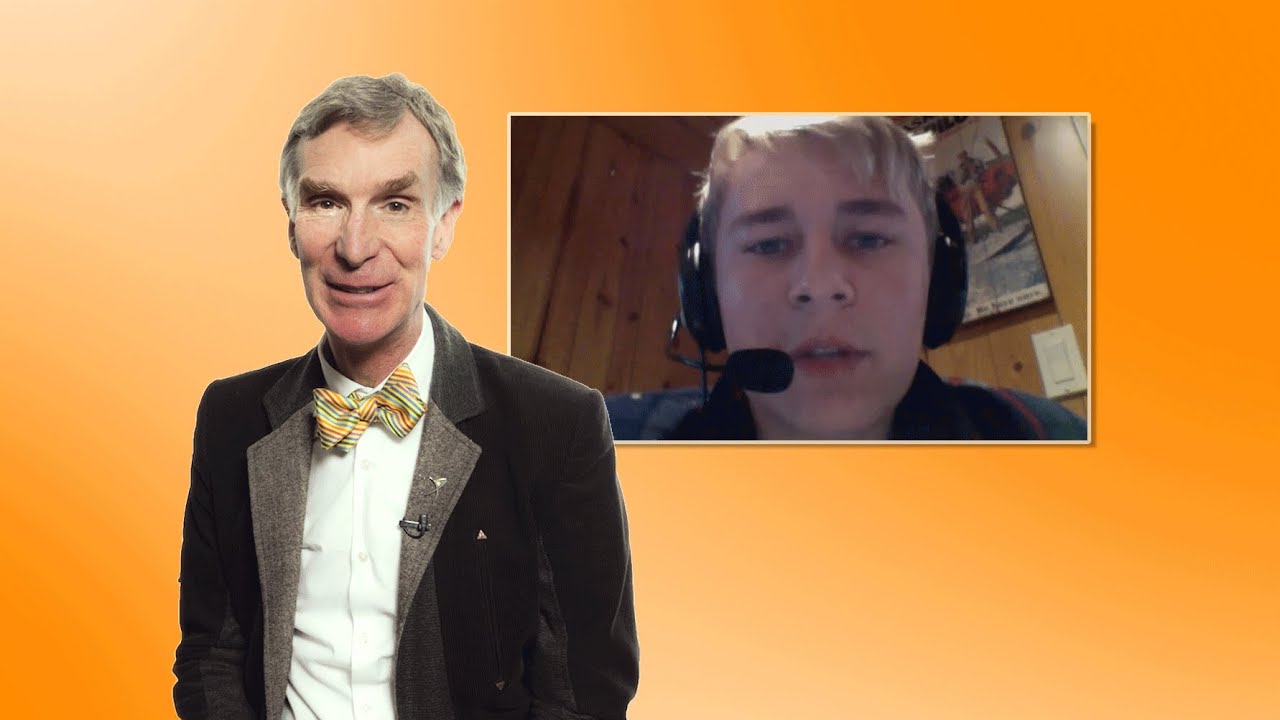
Why Bill Nye Condones Genetically Modifying Food | Big Think
Posted
July 12, 2016
Views
49,155
Likes
1,857
Comments
389
Engagement
4.57%
July 12, 2016
49,155
1,857
389
4.57%
Every word spoken in this episode is indexed. Type any phrase to jump straight to the moment it was said.
Type any word or phrase that may have been spoken. Click a result to seek the player to that exact moment.
Try a name, a topic, or a quoted line
 5:41Now Playing
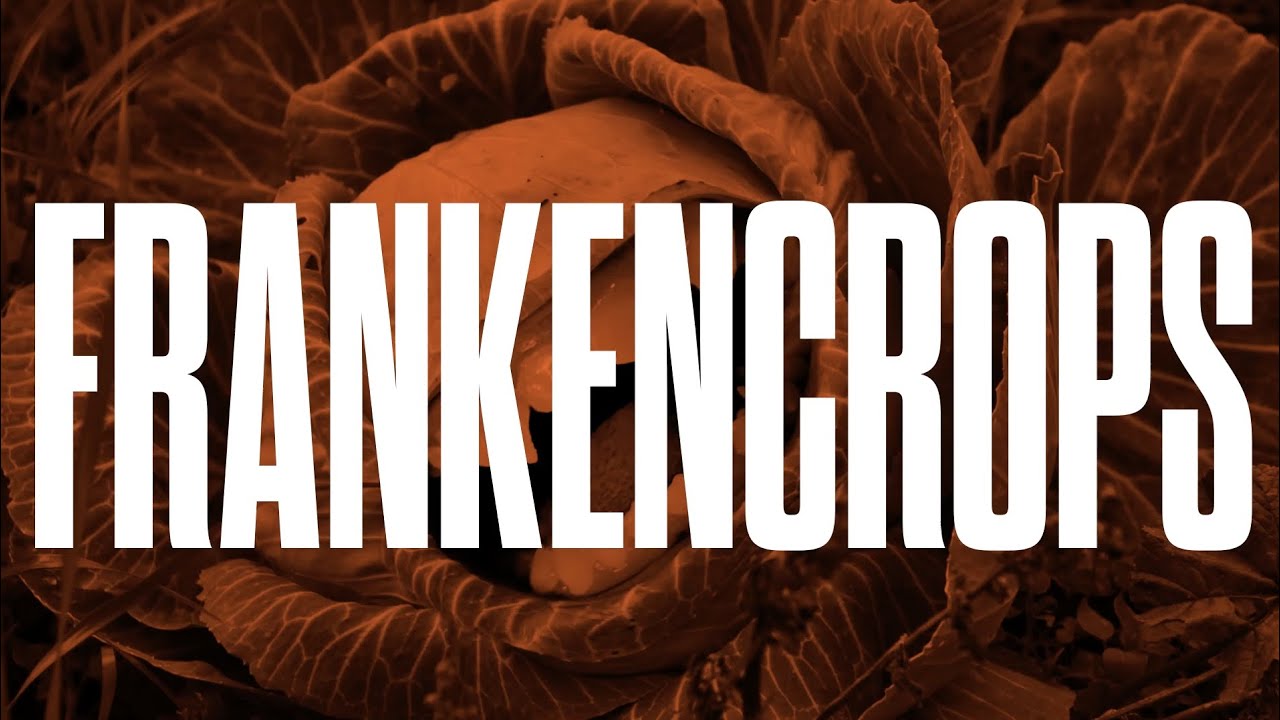
Why Bill Nye Condones Genetically Modifying Food
Watch the newest video from Big Think
Join Big Think Edge for exclusive videos
----------------------------------------------------------------------------------
While popular ’90s TV show Bill Nye the Science Guy was aimed towards students in elementary school to middle school, the 2000s TV program The Eyes of Nye was for teenagers and adults – those who were raised on The Science Guy and continued to enjoy the persona. It was on this show that author, science educator, and television host Bill Nye began to talk about GMOs and, in his opinion, why they were bad.
The world is a complex system, and each ecosystem is equally delicate. Until recently, the idea of messing with the natural order of crops was thought to be dangerous – too much was either left unknown or had devastating consequences. Consider the cane toad in Australia, first introduced from Hawaii in an attempt to control pesky crop-eating beetle populations. Because they have no natural predators in Australia, cane toads quickly spread beyond control, eating crops and spreading diseases. Introducing new strains of crops could have similar effects on local ecosystems.
But in the years since Bill Nye has changed his tune, citing several reasons GMOs are a good thing. The planet’s population is growing, and by the middle of this century it is expected to hit nine million people. There’s a general consensus among scientists that GMOs are not the evil we once thought, rather they allow us to grow more food, more efficiently.
GMOs are already strictly regulated, because of the concerns that Nye and many scientists of the last decades have shared. With rules in place to protect ecosystems and humans alike, GMOs safely allow for bigger, better crops that can be grown in rich soil or non-arable land.
Nye raises the interesting point that GMOs can and do occur naturally in the world without human meddling, as genes in crops can change over time due to mutations. Sweet potatoes exist only because of a virus that changed the plant a long time ago,. Humans liked what they saw, and cultivated the sweet potato to widespread approval.
Taking all these things into account, Bill Nye has come to a conclusion: since the population of the world is going to need more food, since technology has improved to the point that it’s easier to judge the environmental risks or benefits, and because genetically modified crops are typically modified for the better, GMOs are not so bad. They might even be good.
----------------------------------------------------------------------------------
BILL NYE, THE SCIENCE GUY:
Bill Nye, scientist, engineer, comedian, author, and inventor, is a man with a mission: to help foster a scientifically literate society, to help people everywhere understand and appreciate the science that makes our world work. Making science entertaining and accessible is something Bill has been doing most of his life. In Seattle Nye began to combine his love of science with his flair for comedy, when he won the Steve Martin look-alike contest and developed dual careers as an engineer by day and a stand-up comic by night. Nye then quit his day engineering day job and made the transition to a night job as a comedy writer and performer on Seattle's home-grown ensemble comedy show “Almost Live." This is where “Bill Nye the Science Guy®" was born. The show appeared before Saturday Night Live and later on Comedy Central, originating at KING-TV, Seattle's NBC affiliate. While working on the Science Guy show, Nye won seven national Emmy Awards for writing, performing, and producing. The show won 18 Emmys in five years. In between creating the shows, he wrote five children's books about science, including his latest title, “Bill Nye's Great Big Book of Tiny Germs." Nye is the host of three currently-running television series. “The 100 Greatest Discoveries" airs on the Science Channel. “The Eyes of Nye" airs on PBS stations across the country. Bill's latest project is hosting a show on Planet Green called “Stuff Happens." It's about environmentally responsible choices that consumers can make as they go about their day and their shopping. Also, you'll see Nye in his good-natured rivalry with his neighbor Ed Begley. They compete to see who can save the most energy and produce the smallest carbon footprint. Nye has 4,000 watts of solar power and a solar-boosted hot water system. There's also the low water use garden and underground watering system.
---------------------------------------------------------------------------------
TRANSCRIPT:
Bill Nye: In 2005, when I did a show called The Eyes of Nye, companies like Monsanto had patents on genes and people were questioning...
To read the transcript, please go to
Sentinel Indexing in Progress
Metadata and chapters are available. Claim extraction for this episode is pending.
All video content is delivered via YouTube embedded players in accordance with the YouTube Terms of Service. Sentinel provides research tools that promote discovery and accountability across political media.