Big Think
@bigthink·8.8M subscribers·10.1K videos
Satire Is Deadly to Toxic Regimes | Bassem Youssef | Big Think
Posted
July 18, 2016
Views
25,447
Likes
1,058
Comments
150
Engagement
4.75%
July 18, 2016
25,447
1,058
150
4.75%
Every word spoken in this episode is indexed. Type any phrase to jump straight to the moment it was said.
Type any word or phrase that may have been spoken. Click a result to seek the player to that exact moment.
Try a name, a topic, or a quoted line
 3:55Now Playing
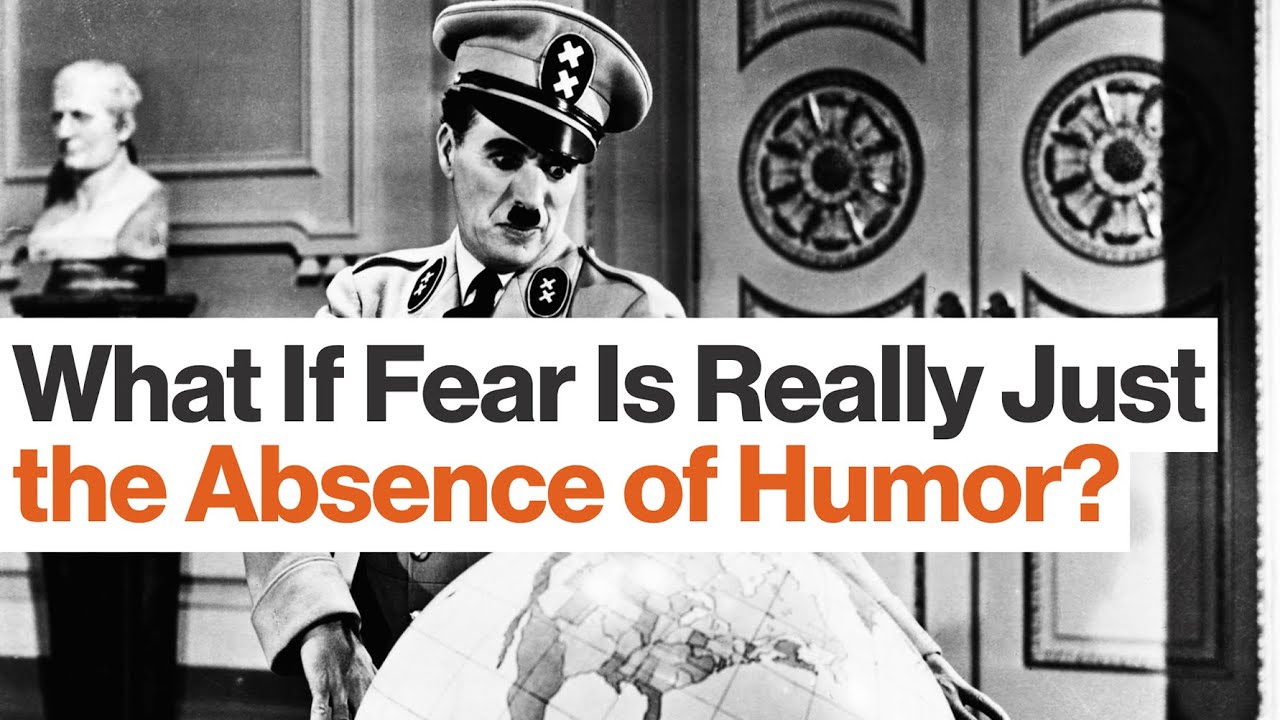
Satire Is Deadly to Toxic Regimes
Watch the newest video from Big Think
Join Big Think Edge for exclusive videos
----------------------------------------------------------------------------------
Atychiphobia is the fear of failure. While the phobia itself can lead to a constricted existence that gets in the way of a healthy and productive life, many people can say that they have, at least once, been terrified to fail at something. And more often than not, it prevented them from trying in the first place. Not even Egyptian TV satirist, columnist, and former cardiac surgeon Bassem Youssef – a man who can seemingly do anything – is immune to fearing failure. Even while he was issued with a warrant for his arrest and investigated by the country’s top prosecutor for allegedly insulting Islam and the Egyptian president, Youssef’s greatest fear was not jail time, but rather making a bad episode of his satirical show, Al-Bernameg (The Program).
Because of this fear, he pushed himself to create better shows – if his popularity waned he would lose the support of the masses for whom he spoke. In his eyes, the government would win. Youssef cites this as a healthy fear; it pushed him to be better than he had been before.
But he also considers a second kind of fear, used for less benevolent objectives. Fascist regimes use fear as a tool to move the masses in a controlled direction. Fear can make people do things they wouldn’t normally do, even if it harms them or stamps out their life’s desires.
Many governments, as Youssef points out, use fear to keep people under control. Currently, an Egyptian man is serving three years in jail for posting a meme depicting President Abdel Fattah al-Sisi with Mickey Mouse ears. With this minute level of control over the population, individuals become too scared to speak against the authorities. They become too scared to even think of rebellion.
The fear of being jailed over something so small, like a meme or a mere whisper of defiance, is an iron-clad way of making people behave, but the strong reaction against something so trivial is only proof how how powerful and potent even a drop of satire can be. One small glimpse can give birth to thought and contemplation of the status quo. It’s hard to be scared of the Egyptian president while looking at his face with Mickey Mouse ears. That’s where satirists such as Youssef come in, but in a much more daring capacity. They know that if they can make you laugh, they can make you think, too.
Youssef positions satire as an antidote to fear and fascism. When someone is laughing, in that moment they are not afraid. Only fascists and xenophobes fear laughter. It corrodes their power.
Bassem Youssef's book is Revolution for Dummies: Laughing Through the Arab Spring
----------------------------------------------------------------------------------
BASSEM YOUSSEF:
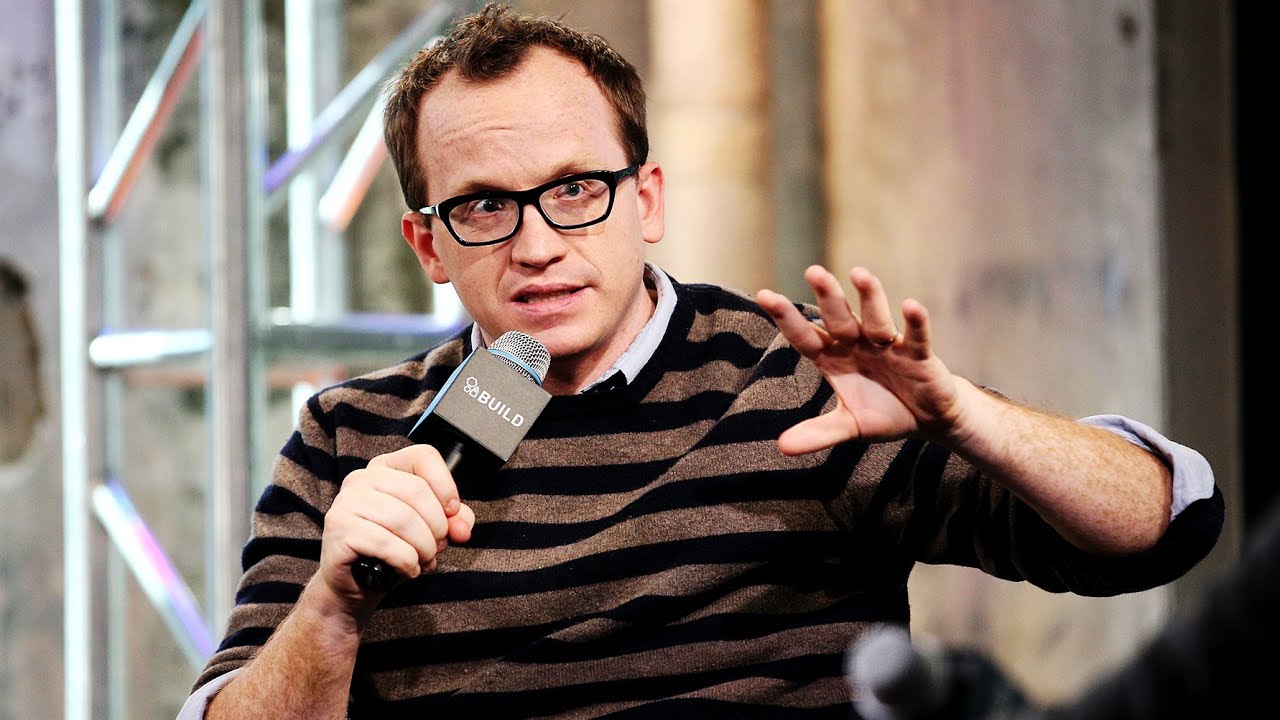
Bassem Youssef is an Egyptian satirist, frequently dubbed “the Jon Stewart of Egypt,” and is one of the most famous television stars the Arab world. His show "Al Bernameg” (“The Program”) is the Egyptian equivalent of “The Daily Show.”
Youssef's wildly popular program is now off the air, after the new Egyptian government led by military leader President Abdel Fattah el-Sisi made it abundantly clear it would not take kindly any jokes made at the regime’s expense. Youssef’s show started in the immediate aftermath of the Arab Spring uprising of 2011. Youssef, a cardiac surgeon by training, was treating the wounded in Tahrir Square when a friend encouraged him to create funny content on YouTube.
They developed the YouTube show because they sensed Egypt, a country long ruled by military strongmen, was hungry for an irreverent take on politics. Youssef made merciless fun of then-President Mohammed Morsi and the Muslim Brotherhood, the winners of Egypt’s first free and fair election.
Jon Stewart was so impressed by the copycat Egyptian act he not only invited Youssef to appear on “The Daily Show,” he also appeared on “Al Bernameg.” Following an extended stay in the U.S. as a visiting fellow at Harvard’s Institute of Politics, Youssef is starring in The Democracy Handbook, a new digital series and television special satirizing politics and culture in the United States.
---------------------------------------------------------------------------------
TRANSCRIPT:
Bassem Youseef: There's always the fear of failure. Fear of failure I think that was my biggest nightmare. When people tell me like you were persecuted like there was like a warrant for your arrest. I didn't really care about that, what I was always worried about is that the next show will not to be as good; that we are not going to perform. I remember like when I was taken to questioning for six hours I told my team if we did a bad show they would win...
To read the transcript, please go to
Sentinel Indexing in Progress
Metadata and chapters are available. Claim extraction for this episode is pending.
All video content is delivered via YouTube embedded players in accordance with the YouTube Terms of Service. Sentinel provides research tools that promote discovery and accountability across political media.