Big Think
@bigthink·8.8M subscribers·10.1K videos
Theater & Philosophy Rehabilitate Prisoners Better Than Harsh Sentences | Sabra Williams | Big Think
Posted
September 28, 2017
Views
11,383
Likes
429
Comments
26
Engagement
September 28, 2017
11,383
429
26
4.00%
Every word spoken in this episode is indexed. Type any phrase to jump straight to the moment it was said.
Type any word or phrase that may have been spoken. Click a result to seek the player to that exact moment.
Try a name, a topic, or a quoted line
 8:08Now Playing
Theater & Philosophy Rehabilitate Prisoners Better Than Harsh Sentences
New videos DAILY
Join Big Think Edge for exclusive video lessons from top thinkers and doers
----------------------------------------------------------------------------------
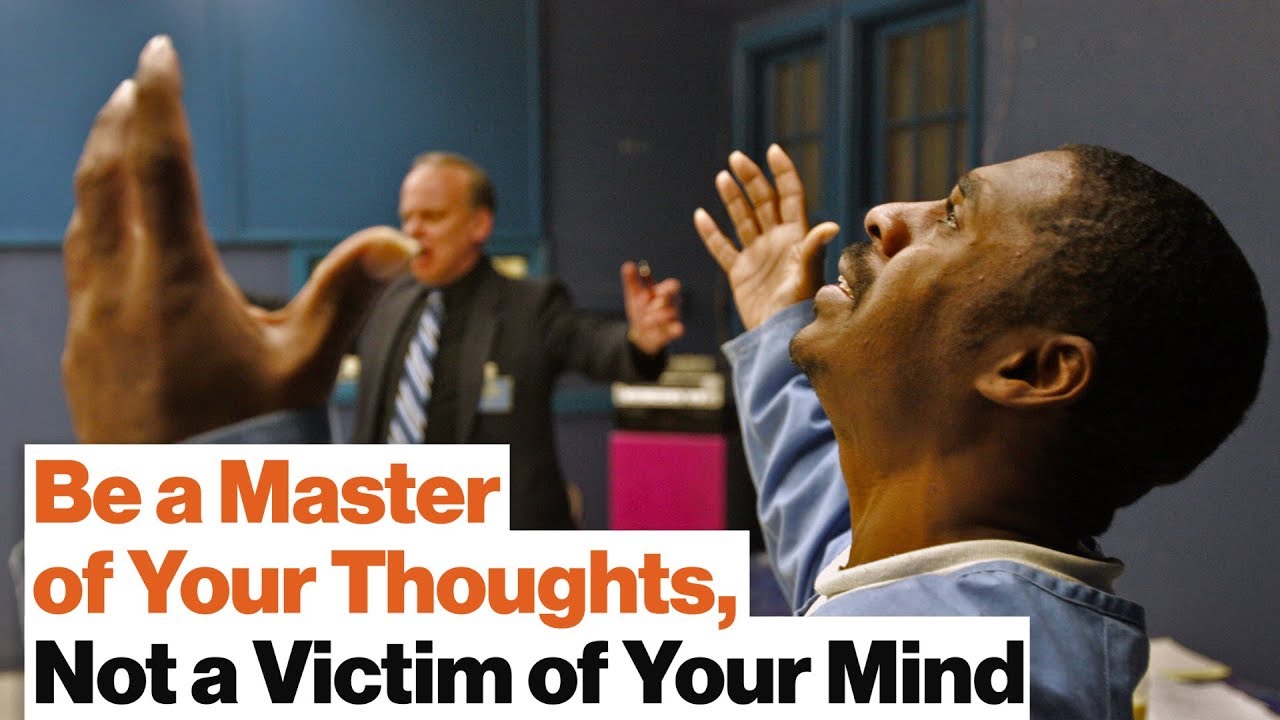
Being "tough on crime" doesn't work. Former inmate Israel Guillen is proof that what does work is nurturing people's sense of humanity through philosophy, theatre, and teamwork. Ten years ago, actor Sabra Williams had an experimental idea: she wanted to bring The Actors' Gang Theatre Company into prisons to work with non-actors, and offer them training to understand and manager their emotions. With an incredibly low recidivism rate of just 10% among her students, Williams' experimental idea has proven its worth and now operates in ten prisons across California, which is where Sabra Williams met former inmate and Actors' Gang student Israel Guillen. Israel recently shared his personal story of what he learned throughout his 22-year prison sentence at the Los Angeles Hope Festival, a collaboration between Big Think and Hope & Optimism. The Actors’ Gang conducts weekly and seven-day intensive programs inside the California prison system, a weekly re-entry program in the community, as well as a program in juvenile facilities, and soon to be a program designed for correctional officers. Head here for more information on The Actors' Gang Prison Project.
----------------------------------------------------------------------------------
SABRA WILLIAMS:
Sabra Williams is an actor and activist who oversees The Actors' Gang Prison Project, which conducts weekly and seven-day intensive programs inside the California prison system, a weekly re-entry program in the community, as well as program in juvenile facilities, and soon a program designed for correctional officers.
----------------------------------------------------------------------------------
TRANSCRIPT:
Israel Guillen: Good afternoon. Like Wendy, I grew up in a very abusive environment, it taught me to think that violence was a way of dealing with problems, getting your respect. It became normal to me so, with the cultural influences, I got into gangs and that created a bad way of destructive behavior that led me to get into a fight and another person got hurt from another person, which was a self-defense situation, but because I didn't testify they ended up giving me 16 years to life in prison.
So my mentality, even then, was that I had to own up to it and as much as I could understand it I thought fighting was normal and I thought it was just going to be a normal fight. In California it's the felony murder rule and you can be sentenced to life in prison under the aiding and abetting. And so I had this pessimistic view, living in prison thinking that I'll never get out. And I ended up getting a life sentence on top of another life sentence in maximum-security housing, which allowed me to sit in my cell for eight hours a day or sometimes even 12 hours a day just studying philosophy, psychology, history, languages and I came across this passage from Nietzsche that said, "For thou has had a bad day but still see that a worse evening does not overtake thee." And why he wrote that was when he entered into the German prisons he saw all his fellow Germans just sitting around not really trying to do anything with their lives and so he talked about the Ubermensch which, under my interpretation, was to try to be the best person that you could be. Even during that time I was studying the Bible and when I came across the subject today where we are to speak of hope and optimism—I mean hope to me, in my opinion, is one of the main components to a successful prayer. And because I had hope, I became optimistic, believed that I would get out, I ended up getting out. I visualized a lot of things and everything I visualized, everything I hoped for has come. I was sitting in the audience and having the philosopher stand here and talk about deep hope, I mean to be in there telling 50 other lifers I'm not going to be dying in prison I'm going to end up getting out, that's deep hope, especially when it comes out of your mouth. But I'm a strong believer of curses and blessings, rather than curse my life I'd rather bless my life.
And I believe if you think it, you're going to behave it and if you behave it it's going to become an attitude. And because of that attitude it allowed me not to think that I know it all, but even though when I was young I knew I didn't know nothing at all, I was uneducated, I wanted to live my life that I don't know it at all and I want to learn. And so when I came across to The Actors' Gang I took it, I went with it, they even asked me to put makeup on—the men call it "man cake". It's a humbling experience...
For the full transcript, check out
Sentinel Indexing in Progress
Metadata and chapters are available. Claim extraction for this episode is pending.
All video content is delivered via YouTube embedded players in accordance with the YouTube Terms of Service. Sentinel provides research tools that promote discovery and accountability across political media.