Big Think
@bigthink·8.8M subscribers·10.1K videos
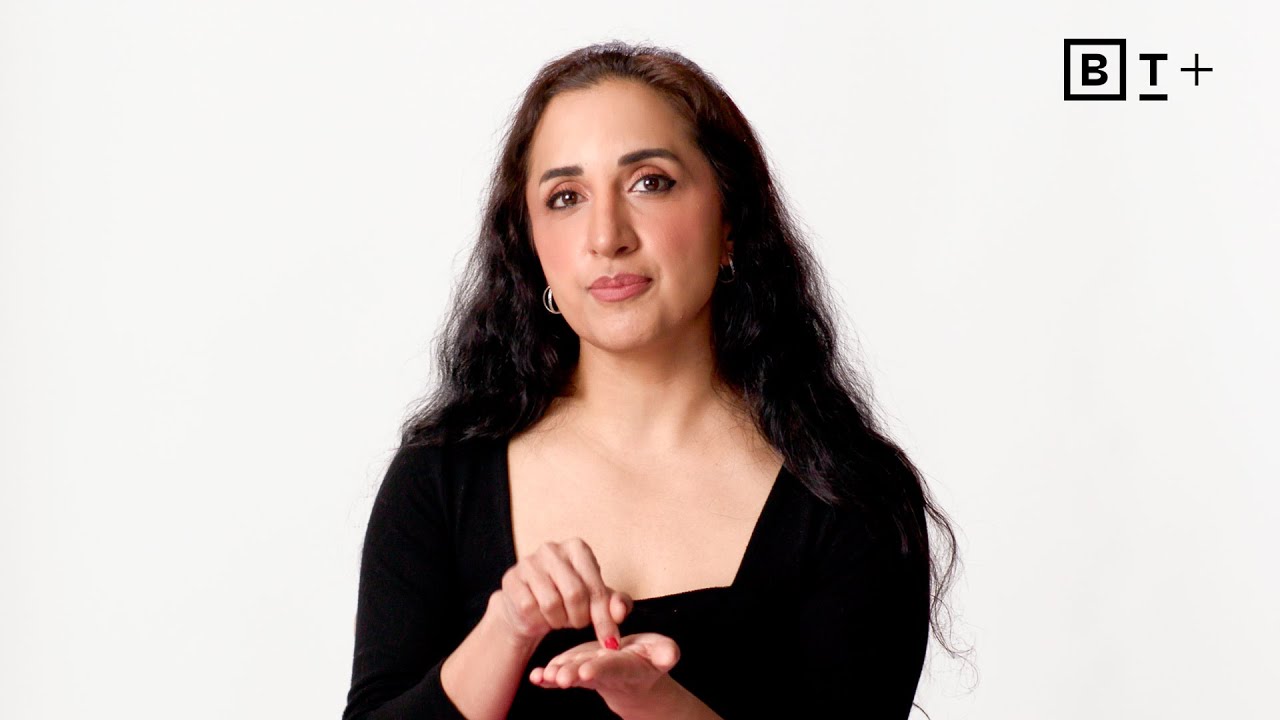
Lesson 1: Take an Adaptable Approach to Money | Paula Pant
Posted
November 13, 2025
Likes
6
November 13, 2025
6
Every word spoken in this episode is indexed. Type any phrase to jump straight to the moment it was said.
Type any word or phrase that may have been spoken. Click a result to seek the player to that exact moment.
Try a name, a topic, or a quoted line
 7:51Now Playing
“Enough is enough!” Maybe you’ve heard this exclamation from a frustrated parent or hollered this phrase in exasperation yourself. It’s redundant and obvious grammatically.
Until you realize how subjective the word “enough” is. Enough of what? And how much is enough? Enough coffee for someone else might not be enough for you.
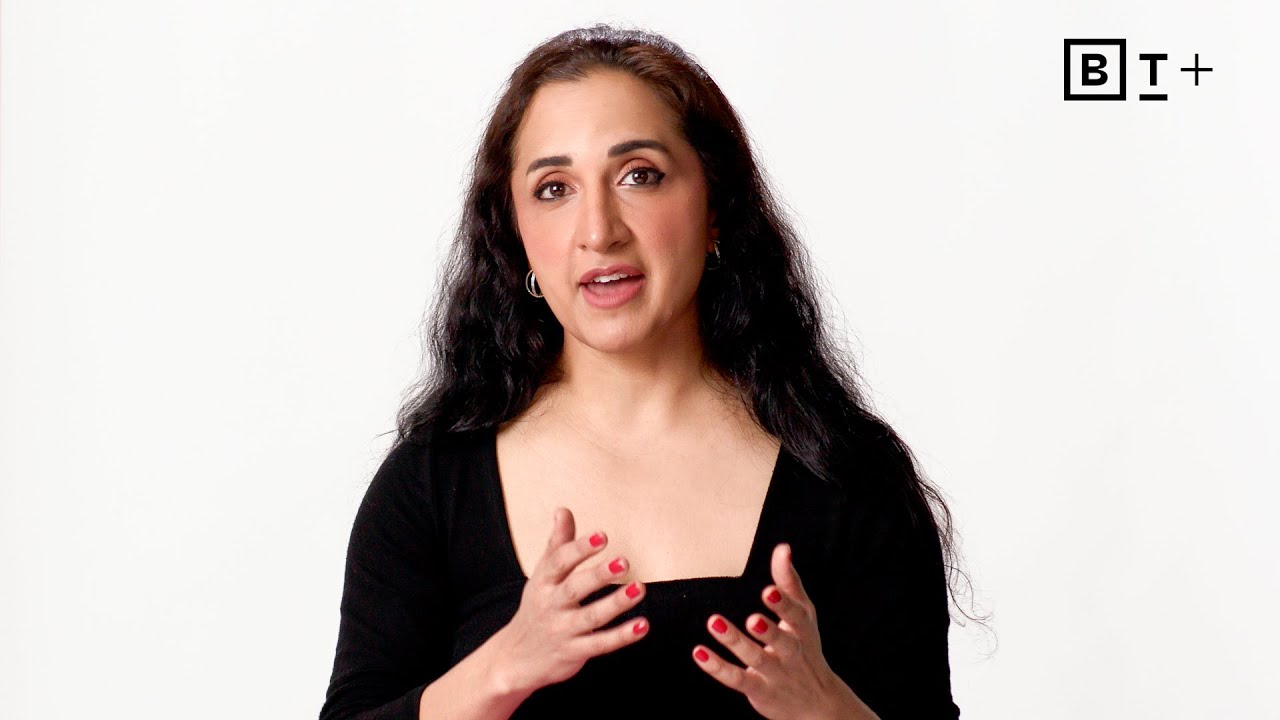
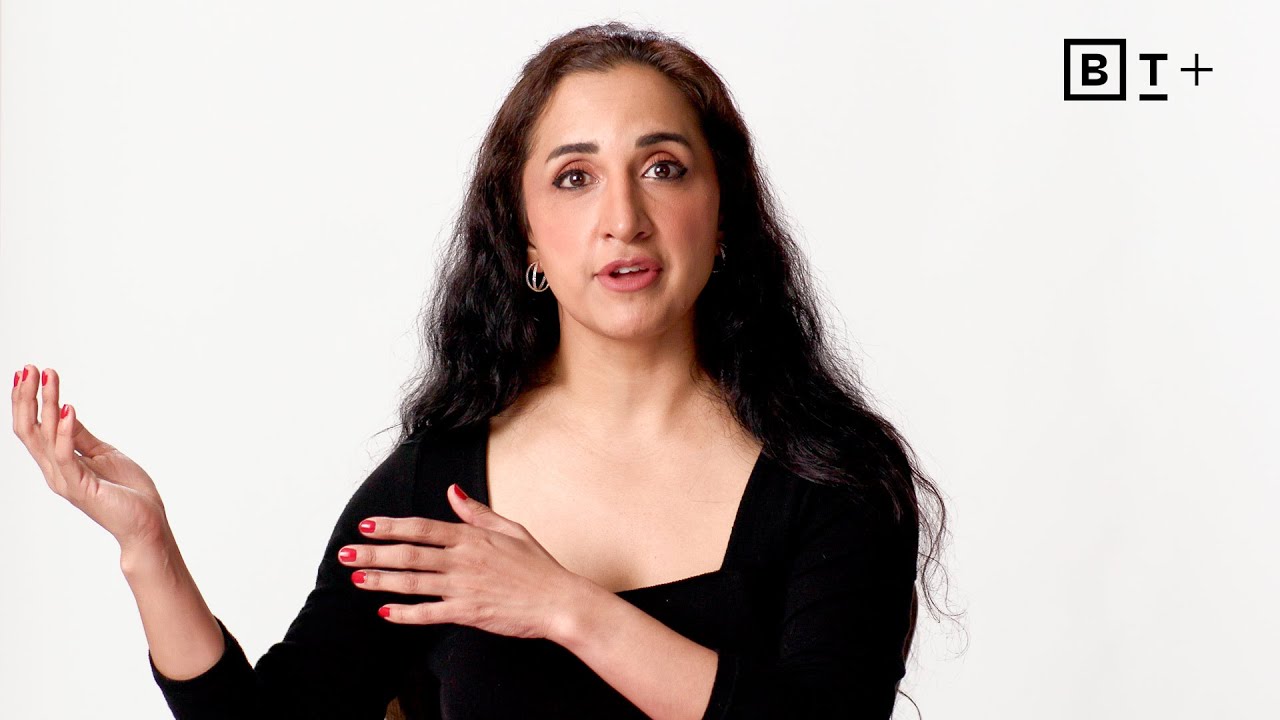
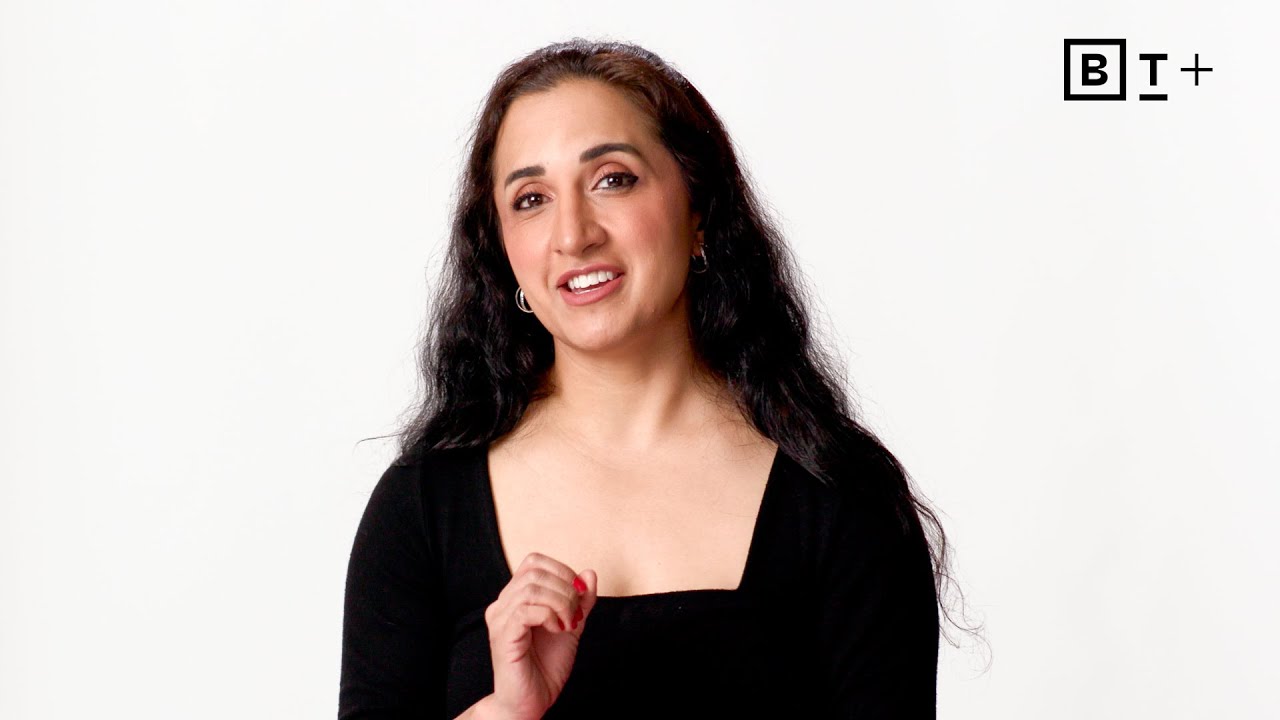
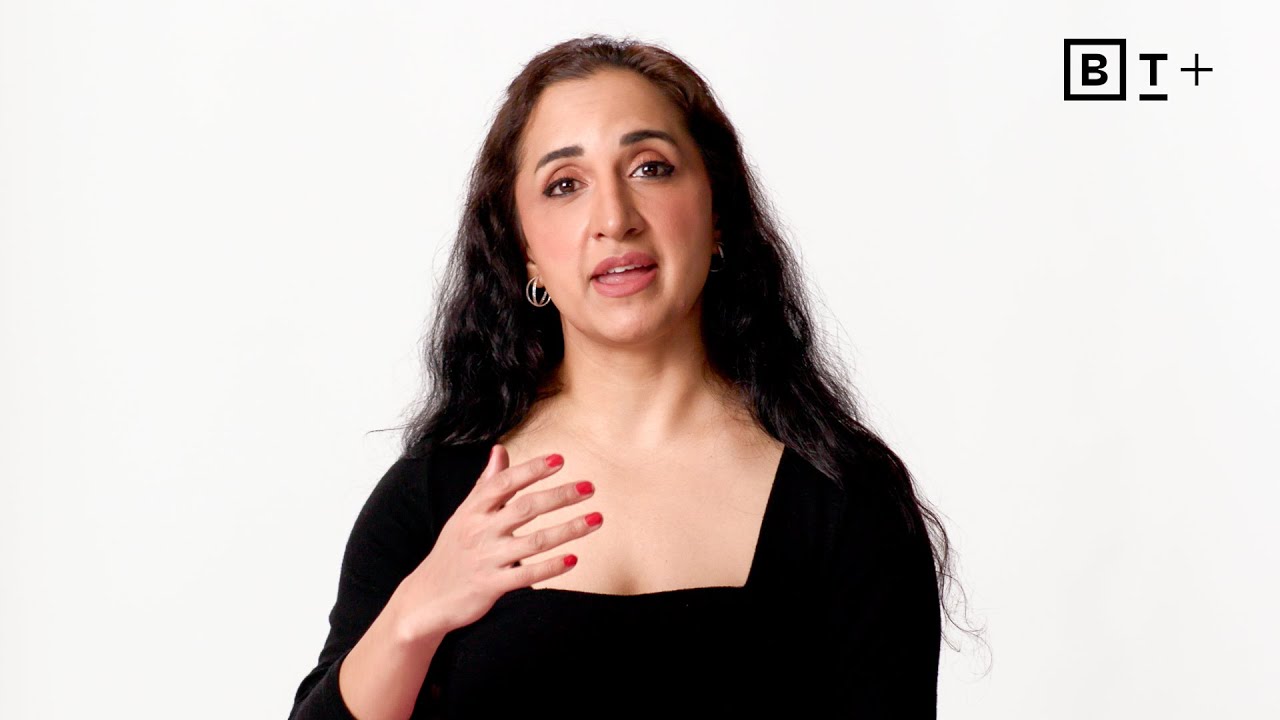
Paula Pant, host of the Afford Anything podcast, suggests the same is true of money. In this video lesson, Pant explores how to define (and redefine) your own version of enough — and what the related concept of “financial independence” means to you.
Financial Independence (FI): When you have enough passive income (typically through investments) to cover your basic living expenses in perpetuity
People commonly use “the 4% rule” to determine how much money they need to retire. The 4% rule states that you can safely draw down 4% of your portfolio each year of retirement (adjusted for inflation), and not outlive your money.
To calculate their “FI number,” people multiply their current annual spending by 25 (4% x 25 = 100% of total portfolio value).
The problem is, this assumes that your spending will stay consistent throughout retirement. But spending typically changes year-to-year due to personal reasons and broader economic forces. It’s shortsighted to tie your spending (and therefore your “FI number”) to a single data point.
Defining “Enough”
The only certainty is that you have no idea what’s going to happen in the future. Flexibility is the only true security. Your spending and investment choices are going to change throughout your life. Ask yourself:
What amount of money do I need to cover my basic bills?
What’s reasonable in my city, state, or country?
Do I want to have more income than that?
Beyond that, know that your spending and saving habits will change.
You can realign the way you spend your money whenever you want or need to. For example, when times are tough, you might choose to cover your basic expenses and invest everything else. When times are good, you might choose to harvest some of your investment gains and treat yourself to extras. The idea is to build a sustainable good life.
----------------------------------------------------------------------------------
Go Deeper with Big Think:
►Become a Big Think Youtube Member
Get exclusive classes and early, adfree access to new releases without leaving Youtube.
►Become a Big Think Web Member
Get the entire Big Think Class library, premium print issues, live events, and more.
►Subscribe to Big Think on Substack
Get all of your favorite Big Think content delivered to your inbox.
----------------------------------------------------------------------------------
About Paula Pant:
Paula Pant is the host of the Afford Anything podcast, an award-winning show with more than 24 million downloads. It was named by the New York Times as one of “7 Podcasts Your Wallet Will Love.”
She is also the founder of Afford Anything, a personal finance brand with more than 75,000 newsletter subscribers.
She is a Knight-Bagehot Business and Economics Journalism Fellow at Columbia University.
Pant is frequently featured in financial media including Money Magazine, the Washington Post, Oprah.com, CNBC, Fortune, Marie Claire, Marketplace Money, Men’s Health, Real Simple, Outside Magazine, Cosmopolitan, the New York Times, and more. She’s spoken at the “Talks at Google” series and guest lectured at Georgetown University. She lives in New York City.
Sentinel Indexing in Progress
Metadata and chapters are available. Claim extraction for this episode is pending.
All video content is delivered via YouTube embedded players in accordance with the YouTube Terms of Service. Sentinel provides research tools that promote discovery and accountability across political media.