Big Think
@bigthink·8.8M subscribers·10.1K videos
Lesson 9: Hack Your Employer's Tax-Advantaged Medical Accounts | Paula Pant
Posted
November 13, 2025
November 13, 2025
Every word spoken in this episode is indexed. Type any phrase to jump straight to the moment it was said.
Type any word or phrase that may have been spoken. Click a result to seek the player to that exact moment.
Try a name, a topic, or a quoted line
 4:37Now Playing
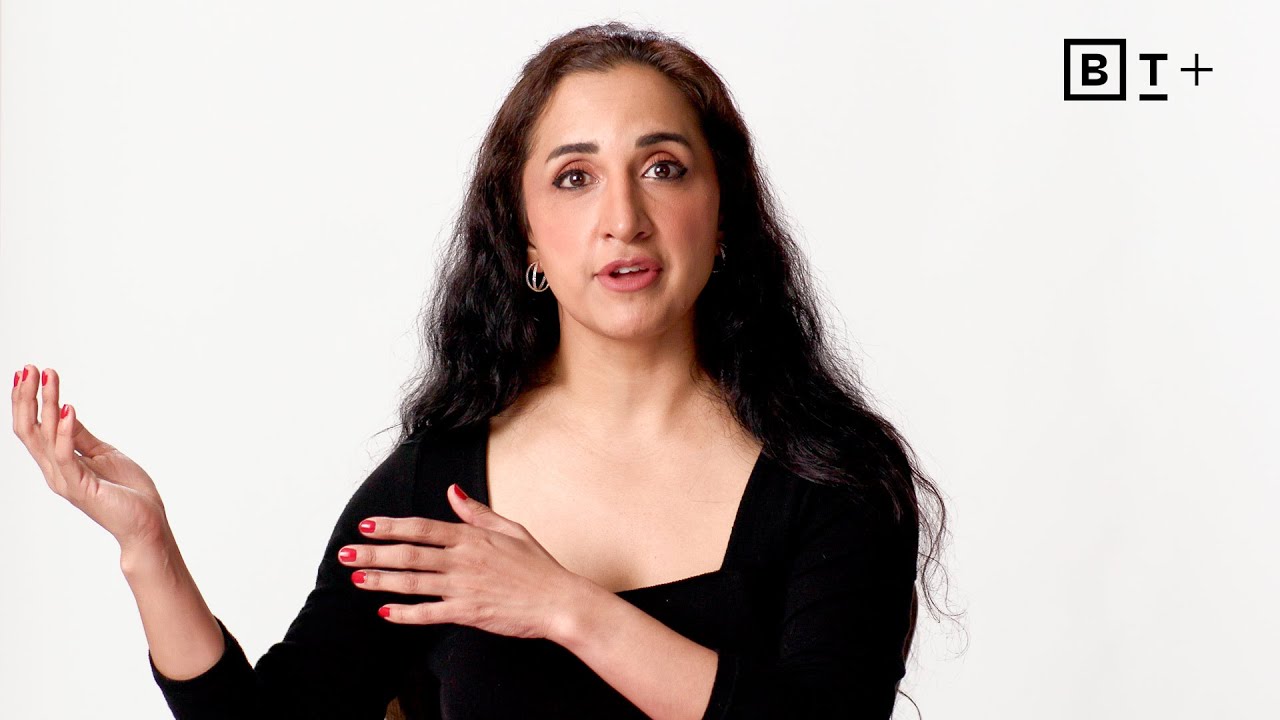
FSA? PPO? HMO? HSA? Sometimes your employer’s open-enrollment period for selecting benefits can feel like you’re drowning in a bowl of alphabet soup. There are so many abbreviations floating around. What do they all mean?! Never fear! Paula Pant, host of the Afford Anything podcast, offers a life-preserver of good advice to help you stay afloat. In this video lesson, she breaks down the difference between flexible spending accounts (FSAs) and health savings accounts (HSAs) and how you can best use them to your financial advantage.
Health Savings Account (HSA): A savings account available only to individuals who are enrolled in a High Deductible Health Plan (HDHP)
Flexible Spending Account (FSA): A spending account intended for individuals who are not enrolled in an HDHP
Both the HSA and FSA can be used to pay for qualified medical expenses (e.g., doctor visit copays, prescription glasses, etc.). But there are key differences between the two.
FSA contributions lower your taxable income and therefore lead to tax savings. But if you don’t use the money by a designated deadline, you lose it. Check with your HR department to confirm the FSA spending deadline.
HSA contributions can be held long-term. There’s no deadline to spend the money. HSA contributions are tax deductible. HSA money spent on qualified medical expenses is tax exempt. You get a double tax benefit.
Depending on which financial institution holds your HSA money, you may be able to invest and grow your contributions. When you reach retirement age, you can draw down money from your HSA to spend on anything you want. You can essentially treat it like money that’s in a 401k.
You might even choose to pay out of pocket for qualified medical expenses and keep money in your HSA so it can grow. In this case, you treat your HSA as a de facto additional retirement account.
----------------------------------------------------------------------------------
Go Deeper with Big Think:
►Become a Big Think Youtube Member
Get exclusive classes and early, adfree access to new releases without leaving Youtube.
►Become a Big Think Web Member
Get the entire Big Think Class library, premium print issues, live events, and more.
►Subscribe to Big Think on Substack
Get all of your favorite Big Think content delivered to your inbox.
----------------------------------------------------------------------------------
About Paula Pant:
Paula Pant is the host of the Afford Anything podcast, an award-winning show with more than 24 million downloads. It was named by the New York Times as one of “7 Podcasts Your Wallet Will Love.”
She is also the founder of Afford Anything, a personal finance brand with more than 75,000 newsletter subscribers.
She is a Knight-Bagehot Business and Economics Journalism Fellow at Columbia University.
Pant is frequently featured in financial media including Money Magazine, the Washington Post, Oprah.com, CNBC, Fortune, Marie Claire, Marketplace Money, Men’s Health, Real Simple, Outside Magazine, Cosmopolitan, the New York Times, and more. She’s spoken at the “Talks at Google” series and guest lectured at Georgetown University. She lives in New York City.
Sentinel Indexing in Progress
Metadata and chapters are available. Claim extraction for this episode is pending.
All video content is delivered via YouTube embedded players in accordance with the YouTube Terms of Service. Sentinel provides research tools that promote discovery and accountability across political media.