
Bloomberg News
@Bloomberg-News·2.8M subscribers·40.1K videos
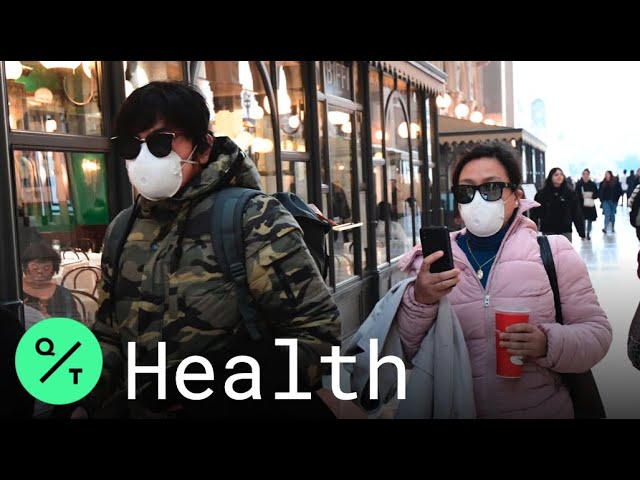
Italy Emerges at Center Europe's Largest Coronavirus Outbreak
Posted
February 24, 2020
Views
158,748
Likes
754
Comments
637
Engagement
February 24, 2020
158,748
754
637
0.88%
Every word spoken in this episode is indexed. Type any phrase to jump straight to the moment it was said.
Type any word or phrase that may have been spoken. Click a result to seek the player to that exact moment.
Try a name, a topic, or a quoted line
 1:02Now Playing
The emergence of new centers of coronavirus infection outside of China is fueling concern the outbreak could become a global pandemic, rattling financial markets and stoking anxiety over the potential hit to economies.
While the outbreak in China appears to be becoming more predictable, the virus is taking hold in other parts of the world, with increasing infection and death tolls in South Korea, Italy and parts of the Middle East sparking the most alarm.
These bursts of infections could drive a second peak in an epidemic that’s already killed more than 2,400 in China and severely disrupted global business and travel activity.
In Italy and Iran, the mortality rate from the pneumonia-causing virus appears to be much higher than that in China, hinting at hundreds or thousands of still-undiscovered cases of infection. In South Korea, which has the most in-country cases outside of China, the government raised its public health alert to the highest level, allowing it to quarantine cities, delay the start of school and restrict people’s movements.
“At the moment, the death rate is running at about 3%,” Paul Hunter, a professor at the University of East Anglia’s Norwich Medical School, said in a televised interview. “That is almost certainly going to rise.”
Stocks and higher-yielding assets retreated across Asia Monday, as investors grappled with the implications of the widening outbreak.
“There is now very justifiably concern that this is a global pandemic and not just a China issue,” said Vishnu Varathan, head of economics and strategy at Mizuho Bank Ltd. in Singapore. “The markets were taking consolation earlier on from the maturing spread cycle in China, which may no longer be the pertinent metric to follow now if it is the spread outside of China that’s causing concern.”
In China, still home to the vast majority of the almost 80,000 cases of infection that have emerged globally, there are some signs the outbreak has stabilized, and the economy is starting to move past the state of stasis that’s gripped it since the Lunar New Year holiday.
While mistrust lingers over shifting data from Hubei province, new cases of infection released daily appear to have stabilized at several hundred, while the same metric at the China-wide level has been declining for three days.
There has also been an uptick in the number of recoveries from the virus in China and other Asian cities like Singapore. In the rest of China outside of Hubei, more than half of all cases are now declared recovered and discharged from hospital: 7,996 patients have officially recovered out of 12,863 total cases of infection in the country excluding Hubei. In Singapore, fully-recovered patients now number 47 out of a total of 86.
Underscoring the shifting mood in China, six provinces -- including manufacturing center Guangdong -- downgraded their emergency threat levels on Monday, paving the way for restaurants and shops to re-open. Local factories, where month-long shutdowns have disrupted global supply chains for everything from watches to lobsters, are coming back to life.
Subscribe to our YouTube channel
QUICKTAKE ON SOCIAL:
Follow QuickTake on Twitter: twitter.com/quicktake
Like QuickTake on Facebook: facebook.com/quicktake
Follow QuickTake on Instagram: instagram.com/quicktake
Subscribe to our newsletter
Email us at quicktakenews@gmail.com
QuickTake by Bloomberg is a global news network delivering up-to-the-minute analysis on the biggest news, trends and ideas for a new generation of leaders.
Sentinel Indexing in Progress
Metadata and chapters are available. Claim extraction for this episode is pending.
All video content is delivered via YouTube embedded players in accordance with the YouTube Terms of Service. Sentinel provides research tools that promote discovery and accountability across political media.