Bloomberg News
@Bloomberg-News·2.8M subscribers·40.1K videos
Trump Claims Untested Power to Adjourn Congress in Nominee Fight
Posted
April 16, 2020
Views
25,140
Likes
161
Comments
167
Engagement
April 16, 2020
25,140
161
167
1.30%
Every word spoken in this episode is indexed. Type any phrase to jump straight to the moment it was said.
Type any word or phrase that may have been spoken. Click a result to seek the player to that exact moment.
Try a name, a topic, or a quoted line
See what was published immediately before and after this episode.
 1:50Now Playing
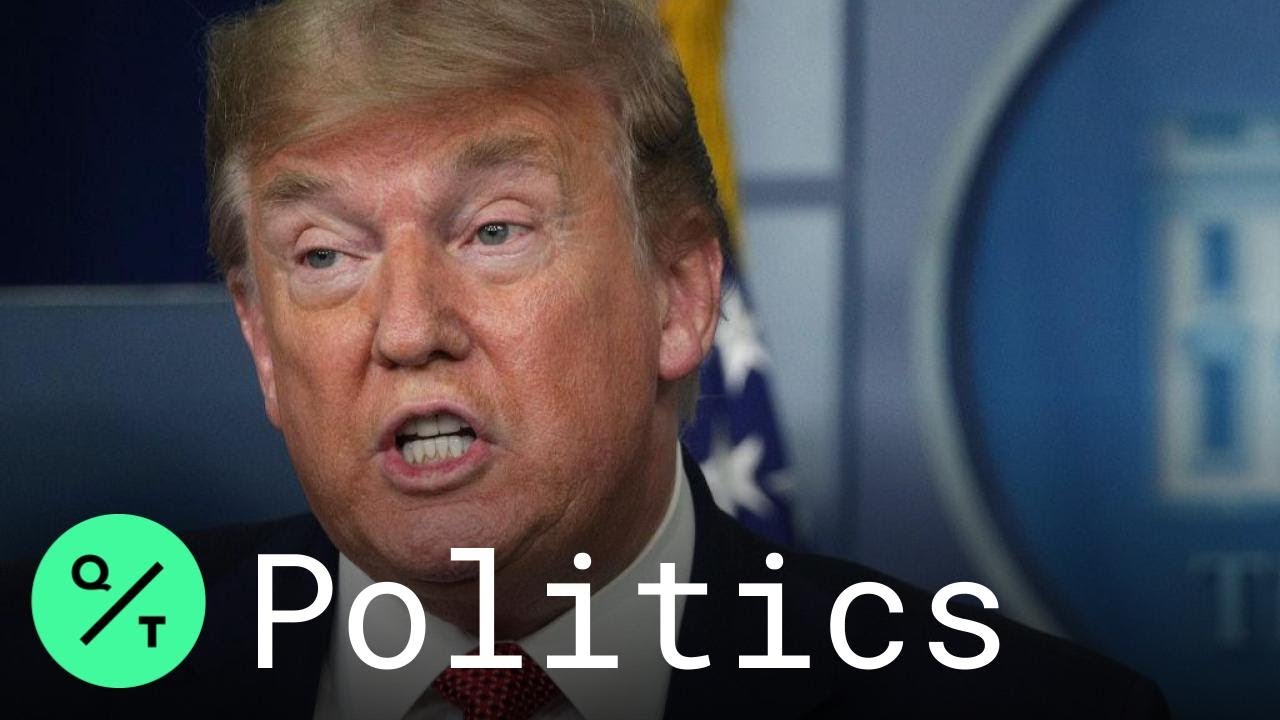
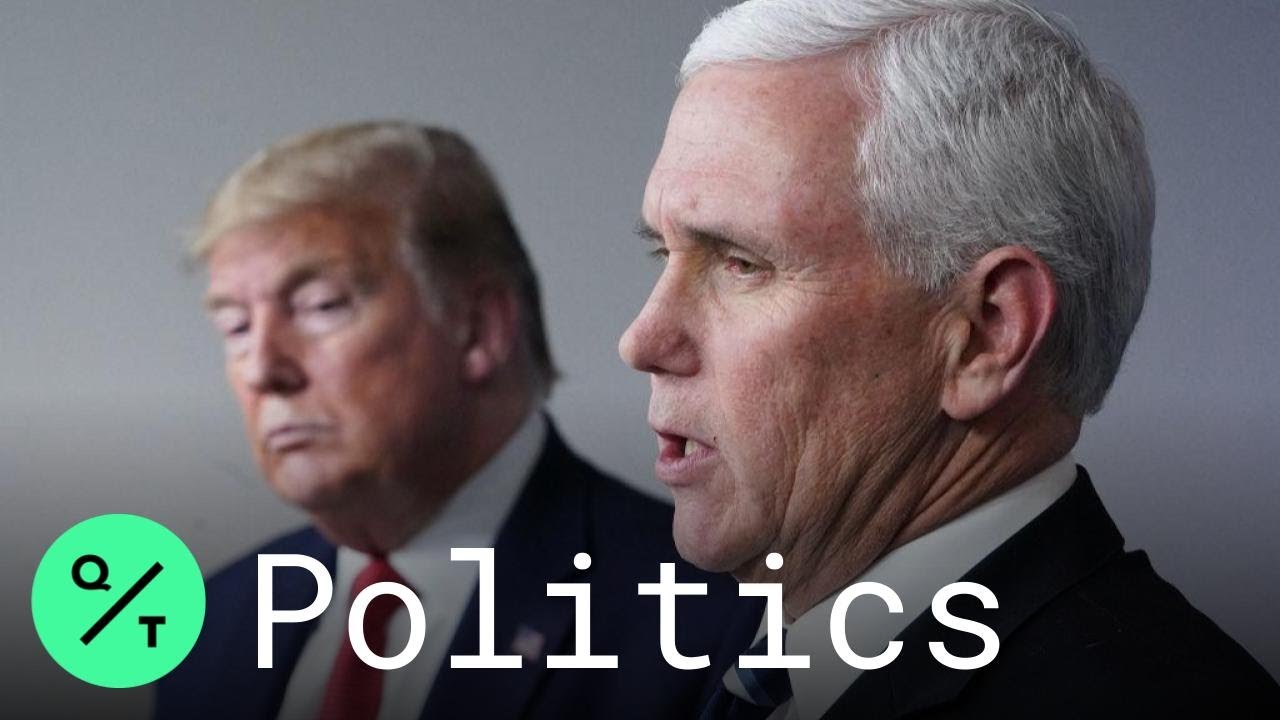
President Donald Trump threatened Wednesday to try to force both houses of Congress to adjourn -- an unprecedented move that would likely raise a constitutional challenge -- so that he can make appointments to government jobs without Senate approval.
“If the House will not agree to that adjournment, I will exercise my constitutional authority to adjourn both chambers of Congress,” Trump said Wednesday during a White House press briefing. “And perhaps it’s never been done before, nobody is even sure if it has, but we’re going to do it.”
During an adjournment, presidents can make temporary appointments without Senate approval. But presidents can’t make recess appointments when the Senate adjourns for only a few days.
It was not clear that a president has the authority to force Congress to adjourn, and Trump would be sure to face fierce opposition to any such move from lawmakers at the Capitol.
The presidential historian Michael Beschloss said in a tweet on Wednesday evening, “No President in history has ever used the Constitutional power to adjourn Congress.”
Under the Constitution, the president has the power to adjourn Congress “to such time as he shall think proper” when there is a disagreement between the House and Senate on when to adjourn.
But University of Texas constitutional law professor Stephen Vladeck said in an email, “He has the power to do it if — and only if — the chambers disagree as to the date of adjournment. As of now, they don’t — it’s January 3, 2021.” Recesses during a session -- such as Congress’s August break -- don’t count as an adjournment, he said.
During breaks during the current session, the Senate and House have been holding so-called pro-forma sessions every few days.
Both parties have used the tactic for years to block recess appointments by the president. The Supreme Court ruled in 2014 against an end-run around those pro-forma sessions by President Barack Obama.
The Senate regularly began the sessions in late 2007, and Majority Leader Mitch McConnell has continued the tradition during breaks.
McConnell spokesman Doug Andres said in an email that the majority leader spoke with Trump Wednesday and “shared his frustration” about delays in confirmations.
“The leader pledged to find ways to confirm nominees considered mission-critical to the Covid-19 pandemic, but under Senate rules that will take consent from Leader Schumer,” Andres said, referring to Minority Leader Chuck Schumer.
Trump complained that Senate Democrats had prevented him from filling important jobs that will become even more necessary as the country tries to recover from the coronavirus pandemic.
“It’s a scam what they do,” Trump said, adding that the Senate and the House in effect are able to remain in session even when most of their members are not in Washington.
He said that Congress had “been warned.”
“We’ll probably be challenged in court and we’ll see who wins,” Trump added.
Still, Trump has in the past said he prefers to have key personnel filling in in an acting capacity. “I like acting because I can move so quickly. It gives me more flexibility,” The president said in a February interview with CBS’s “Face the Nation.”
Jeffrey Rosen, president of the National Constitution Center, said founding father Alexander Hamilton wrote that the fact that the president can adjourn Congress only when both chambers disagree on an adjournment date is “one of the limitations on presidential power that distinguished the president from the British king, who could dissolve Parliament for any reason.”
An analysis by the National Constitution Center says Article II, Section 3 invests the president with the discretion to convene Congress on “extraordinary occasions,” a power that has been used to call the chambers to consider nominations, war, and emergency legislation.
The center says the same section further grants the president the authority to adjourn Congress whenever the chambers cannot agree when to adjourn, but that “that is a power that no president has ever exercised.”
Subscribe to our YouTube channel
QUICKTAKE ON SOCIAL:
Follow QuickTake on Twitter: twitter.com/quicktake
Like QuickTake on Facebook: facebook.com/quicktake
Follow QuickTake on Instagram: instagram.com/quicktake
Subscribe to our newsletter
Email us at quicktakenews@gmail.com
QuickTake by Bloomberg is a global news network delivering up-to-the-minute analysis on the biggest news, trends and ideas for a new generation of leaders.
Sentinel Indexing in Progress
Metadata and chapters are available. Claim extraction for this episode is pending.
All video content is delivered via YouTube embedded players in accordance with the YouTube Terms of Service. Sentinel provides research tools that promote discovery and accountability across political media.