Bloomberg News
@Bloomberg-News·2.8M subscribers·40.1K videos
HUD Targets Transgender Homeless People with Trump’s First ‘Midnight Rule’
Posted
July 22, 2020
Views
3,629
Likes
71
Comments
37
Engagement
July 22, 2020
3,629
71
37
2.98%
Every word spoken in this episode is indexed. Type any phrase to jump straight to the moment it was said.
Type any word or phrase that may have been spoken. Click a result to seek the player to that exact moment.
Try a name, a topic, or a quoted line
 0:51Now Playing
With its June 15 decision in Bostock v. Clayton County, Georgia, the U.S. Supreme Court delivered an unambiguous message: Employers cannot discriminate against employees on the basis of gender or sexual orientation. Justice Neil Gorsuch’s sweeping opinion for the 6-3 majority affirms that gay, nonbinary, trans and other LGBTQ individuals enjoy the same federal protections against discrimination that apply to race, religion or sex.
Yet just two weeks later, the Trump administration announced a policy that appears to fly in the face of that decision. On July 1, the U.S. Department of Housing and Urban Development proposed a new rule that would give homeless shelters the right to admit people on the basis of their biological sex, not their gender — a rule that could require transgender women to stay in men’s shelters. Advocates say this plan puts trans people’s lives in danger.
“On the legal side of things, it’s just blatantly unlawful,” says Shannon Minter, legal director for the National Center for Lesbian Rights. “It cannot be reconciled with what the Supreme Court held in Bostock.”
Coming so soon after the court’s decision in Bostock, the new proposed rule would seem to be dead on arrival. But timing is everything. The policy may be a “midnight rule” in the making — a regulation put forward just before a possible transition of power. By acting now, the Trump administration can pre-position the rule to make it that much harder to uproot, notwithstanding a firm Supreme Court decision, a virtual guarantee of legal challenges, or even a Trump loss in November.
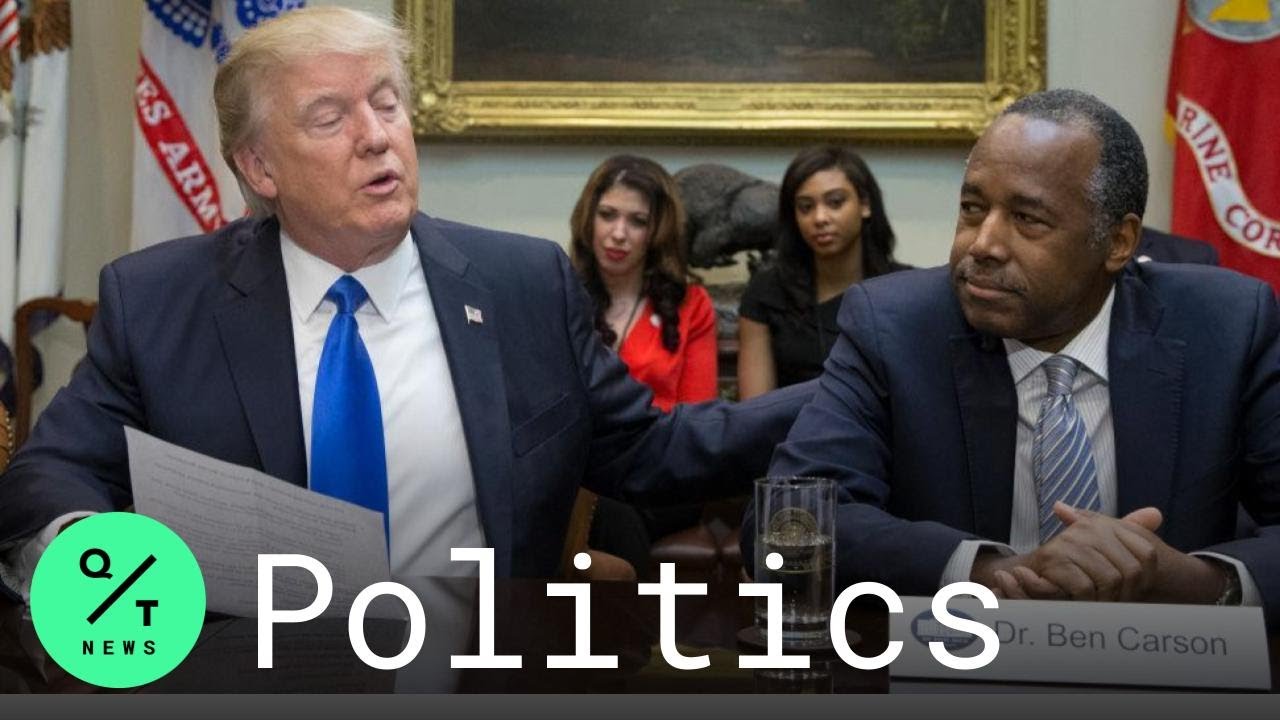
So-called midnight rules refer to federal regulations issued between a presidential election and the next inauguration. An official in the George W. Bush administration once compared Clinton officials to “Cinderella leaving the ball,” saying that political appointees “hurried to issue last-minute ‘midnight’ regulations before they turned back into ordinary citizens at noon on January 20th.” In this light, Housing Secretary Ben Carson might be trying to eke out a rule on transgender people before he turns back into a pumpkin (should President Donald Trump lose the election).
Five months out from November is far from midnight, of course. It’s not even the 11th hour of Trump’s first term yet. But the federal rule-making process is a long game. The Administrative Procedures Act spells out a whole host of steps that federal agencies must follow in order to successfully promulgate a final rule (especially if the government wants to make a rule that’s built to last). Administrators at HUD wasted no time in kick-starting the process once the Bostock decision came to light, even thought the court’s order would seem to nullify the rule.
“There’s another provision of federal law that allows a new administration to summarily reverse and change regulations that were promulgated by the prior administration if it’s within a certain period of time,” Minter says.
HUD’s new rule would enable single-sex shelters or sex-segregated facilities to set their own policies as to who they admit. Shelters will still be required to follow state or local law, but in the absence of any intervening authority, the ministries, nonprofit groups, and municipal agencies that run shelters could turn away transgender women from women-only facilities.
Trump’s top housing official has made his own position on the issue clear: Last September, Carson reportedly told staffers in a meeting that he worried that “big, hairy men” were infiltrating women’s shelters.
This might sound like a somewhat niche issue, but transgender people experience homelessness at an alarming rate. During the federal Point-in-Time count for 2018, both transgender and nonbinary individuals were present among homeless populations in every state and in nearly two-thirds of regional Continuums of Care programs. Between the 2018 and 2019 counts, the number of homeless transgender people increased by 30%, most of them living on the streets. Gender-minority children account for 3% of the unaccompanied youth population, a hugely disproportionate share.
To bar transgender and nonbinary people from shelters that match their gender would be to condemn them to suffering, Minter says.
“Particularly for trans women, living on the street is unsafe,” he says. “Being a homeless woman is by definition to be in a vulnerable situation. People are extremely vulnerable to violence and assault.
Subscribe to our YouTube channel
QUICKTAKE ON SOCIAL:
Follow QuickTake on Twitter: twitter.com/quicktake
Like QuickTake on Facebook: facebook.com/quicktake
Follow QuickTake on Instagram: instagram.com/quicktake
Subscribe to our newsletter
Email us at quicktakenews@gmail.com
QuickTake by Bloomberg is a global news network delivering up-to-the-minute analysis on the biggest news, trends and ideas for a new generation of leaders.
Sentinel Indexing in Progress
Metadata and chapters are available. Claim extraction for this episode is pending.
All video content is delivered via YouTube embedded players in accordance with the YouTube Terms of Service. Sentinel provides research tools that promote discovery and accountability across political media.