
Both Democrats and Republicans Fall Prey to Conspiracy Theories
October 15, 2020
12,509
48
112
1.28%
Search the Record
IndexedEvery word spoken in this episode is indexed. Type any phrase to jump straight to the moment it was said.
Type any word or phrase that may have been spoken. Click a result to seek the player to that exact moment.
Try a name, a topic, or a quoted line
Bloomberg News Episodes Around October 15, 2020
See what was published immediately before and after this episode.



 1:10Now Playing
Both Democrats and Republicans Fall Prey to Conspiracy Theories




YouTube Description
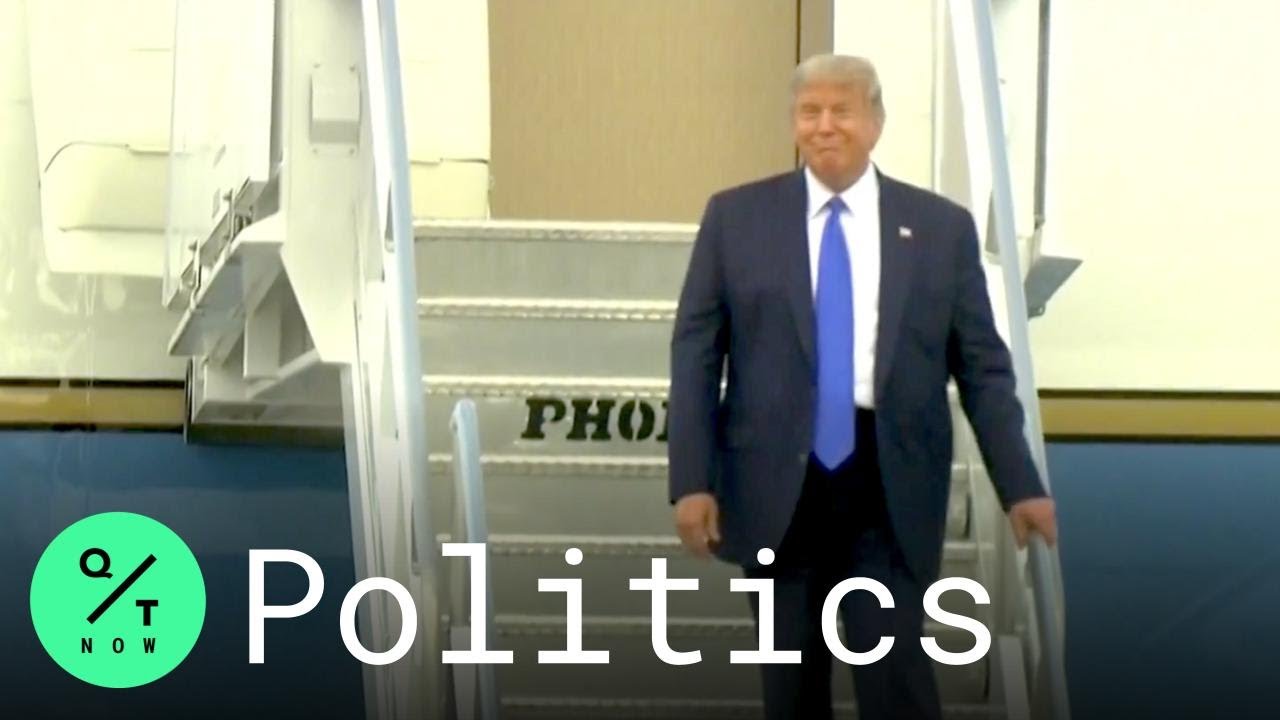
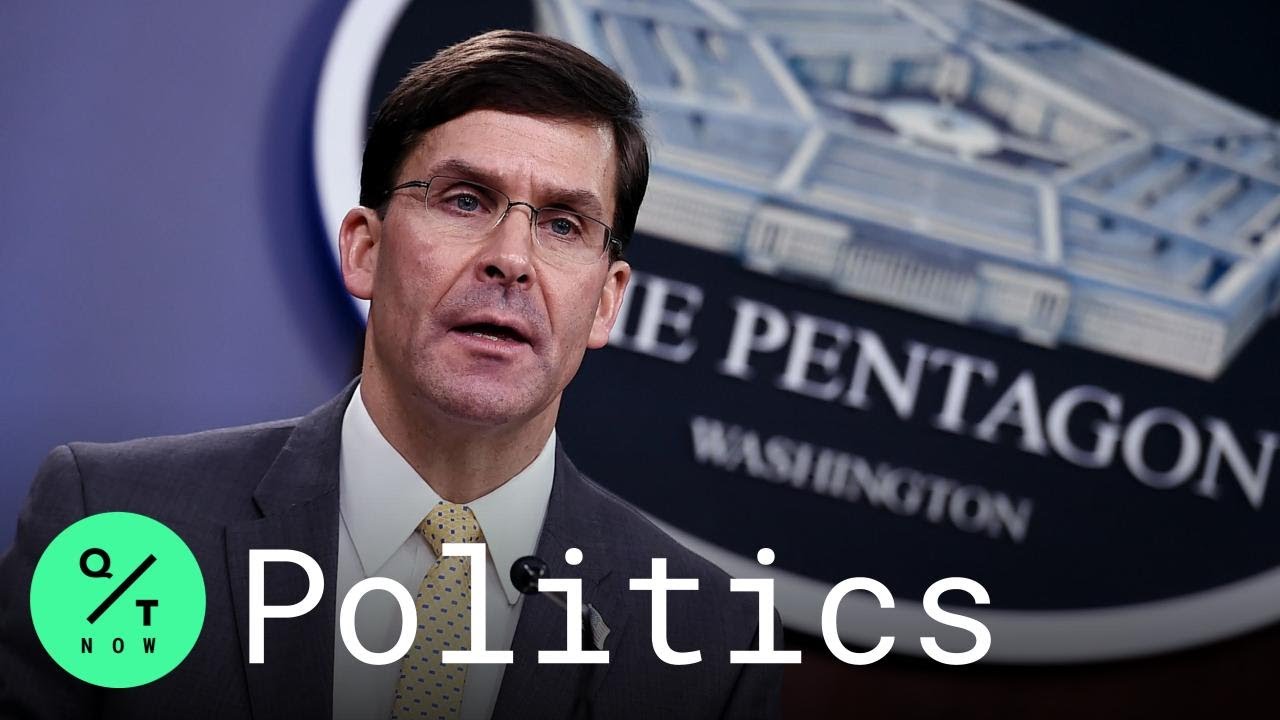
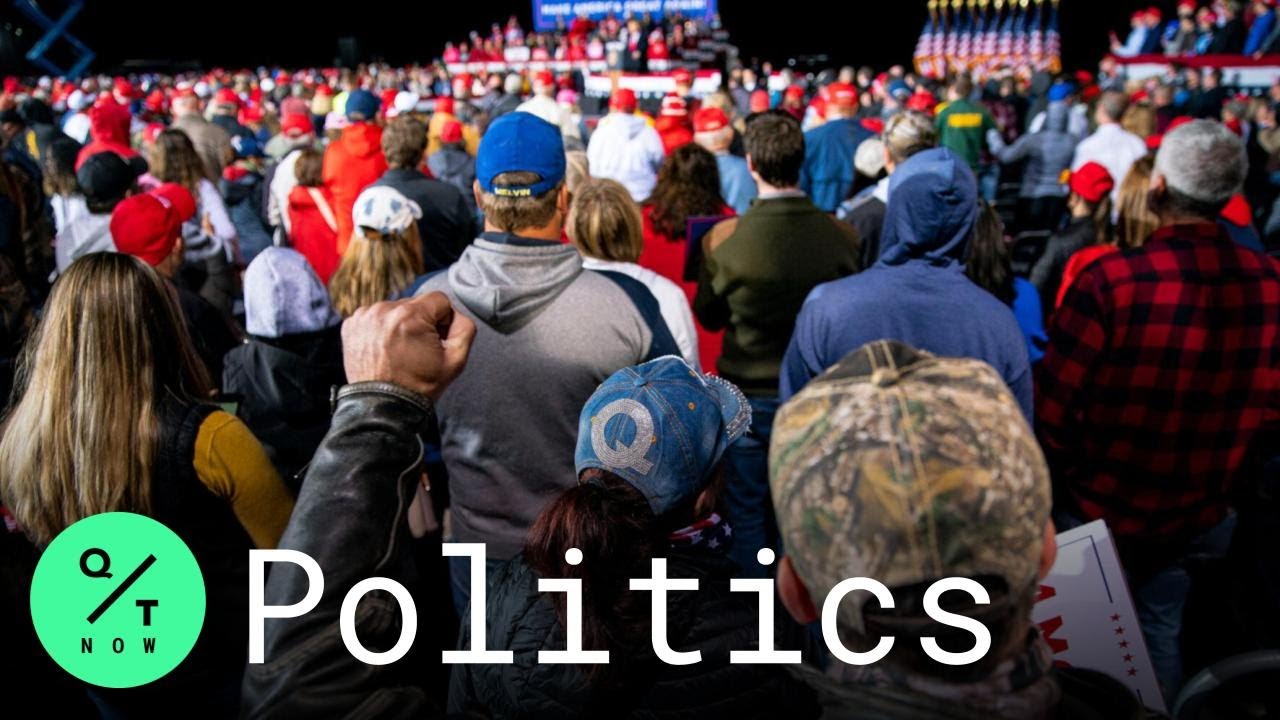
as posted by the channelDemocrats and Republicans alike are falling prey to misinformation as conspiracy theories thrive across the U.S. in the weeks leading up to the presidential election, a new survey found.
A majority of Americans believe unproven or debunked claims and viral conspiracies, according to a joint survey by the liberal think tank, the Center for American Progress, and the Survey Center on American Life, a project of the right-leaning American Enterprise Institute. The survey tested different conspiracy theories -- on politics, science and public health -- to gauge whether demographic or partisan backgrounds are correlated to a higher likelihood of accepting or rejecting certain claims.
Misinformation about Covid-19 is most pronounced among Republicans, with 48% believing that the disease is no more dangerous than the flu and 42% saying that hydroxychloroquine -- an anti-malaria drug championed by President Donald Trump despite scientific misgivings -- is a safe and effective treatment for the virus, survey data shows.
Sixty percent of Democrats believe Russia has compromising information about Trump, while roughly the same percentage of Republicans are convinced there has been a coordinated effort by “unelected government officials” to undermine the Trump administration.
Less than half of those surveyed, 44%, said they would be willing to get a no-cost, FDA-approved vaccine to prevent Covid-19, a finding roughly equal among Democrats (47%) and Republicans (45%). However, only 21% of Black Americans report that they would take it, the survey found.
The survey’s findings underscore the indiscriminate impact of false or misleading information running rampant ahead of a contentious national election. The study also revealed a broad distrust of the government, drug companies, technology companies and news organizations. At least four in 10 Americans surveyed believe major institutions “often” withhold important health and other information from the public.
“American society faces a genuine crisis in public trust in government, corporations and the media, exacerbated by wide partisan divides about who and what to believe,” said John Halpin, a senior fellow at the Center for American Progress and co-author of the report, in a statement.
Despite heated national debate surrounding voter fraud, confidence in the voting process for the upcoming Nov. 3 election was relatively strong with 60% of Americans saying it would be administered “very well” or “somewhat well.” However, the issue of mail-in voting exposed stark partisan differences. Almost 80% of Republicans believe that increased mail-in voting will result in widespread fraud versus 79% of Democrats who disagree.
“If we can’t agree on basic facts about what is going on in our country, there is little hope of generating consensus on what needs to be done to control the pandemic and fix our economy,” Halpin said. “Rebuilding public trust in major institutions, and the information they provide the public, is now a national priority.”
Subscribe to our YouTube channel
QUICKTAKE ON SOCIAL:
Follow QuickTake on Twitter: twitter.com/quicktake
Like QuickTake on Facebook: facebook.com/quicktake
Follow QuickTake on Instagram: instagram.com/quicktake
Subscribe to our newsletter
Email us at quicktakenews@gmail.com
QuickTake by Bloomberg is a global news network delivering up-to-the-minute analysis on the biggest news, trends and ideas for a new generation of leaders.
Links & Promotions
Guests & Subjects Covered
Sentinel Indexing in Progress
Metadata and chapters are available. Claim extraction for this episode is pending.
All video content is delivered via YouTube embedded players in accordance with the YouTube Terms of Service. Sentinel provides research tools that promote discovery and accountability across political media.