Bloomberg News
@Bloomberg-News·2.8M subscribers·40.1K videos
Supreme Court Vote: 3 Conservative Justices in Last 4 Years, Says Barrasso
Posted
October 27, 2020
Views
2,121
Likes
21
Comments
14
Engagement
October 27, 2020
2,121
21
14
1.65%
Every word spoken in this episode is indexed. Type any phrase to jump straight to the moment it was said.
Type any word or phrase that may have been spoken. Click a result to seek the player to that exact moment.
Try a name, a topic, or a quoted line
 0:58Now Playing
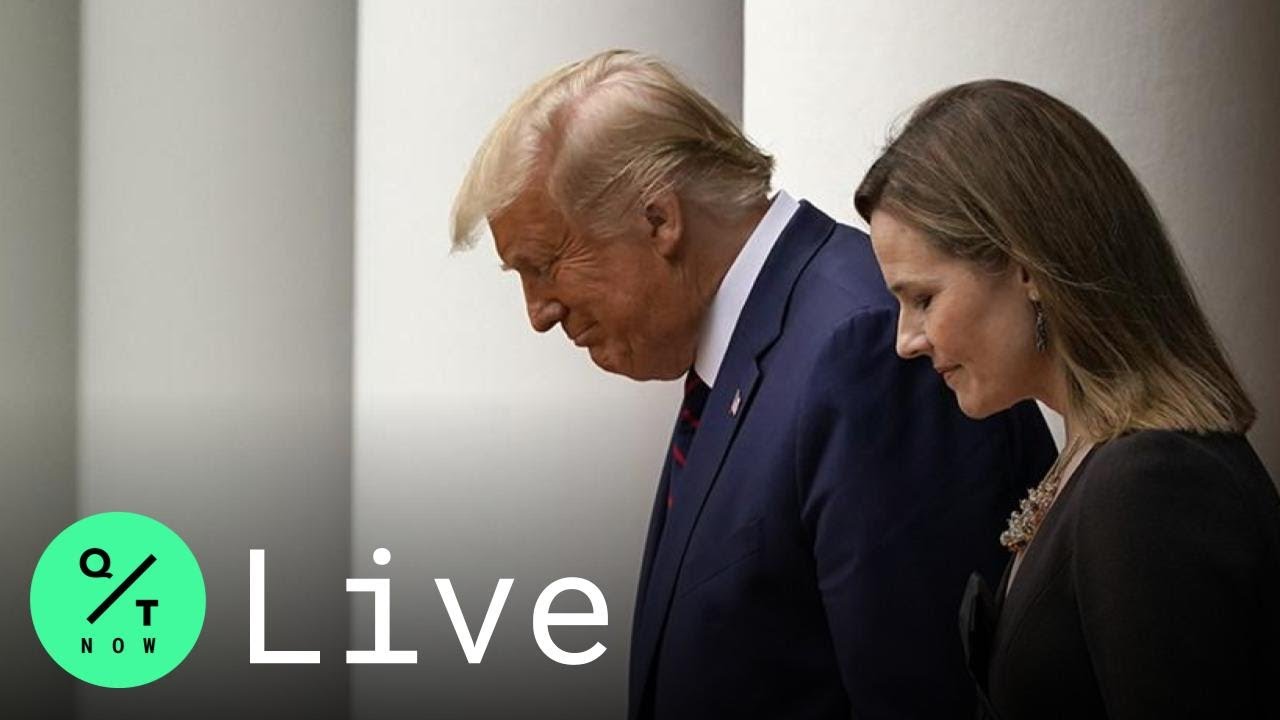
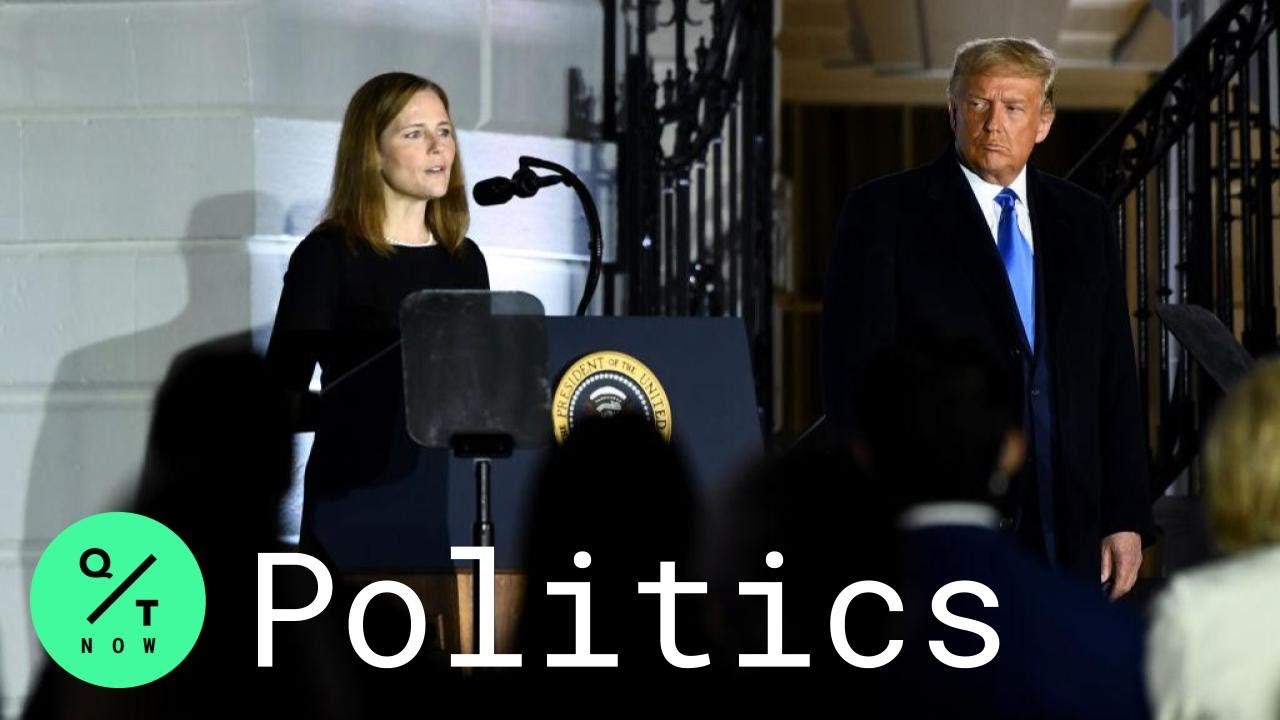
The Senate voted 52-48 Monday to confirm Amy Coney Barrett to the U.S. Supreme Court, handing President Donald Trump a major victory just days before the election and solidifying a conservative majority on the court that could determine the future of the Affordable Care Act and abortion rights.
“We have now, the Republican Senate in the last 4 years, confirmed 3 conservative justices to the Supreme Court,” says U.S. Senator John Barrasso in a press conference following the confirmation.
All Democrats in the chamber voted against Barrett’s confirmation, as did Republican Susan Collins of Maine, who agreed with Democratic objections to confirming a justice so close to the Nov. 3 election.
Trump and his GOP allies in the Senate pushed for a quick confirmation of Barrett, and it came just 38 days after the death of Justice Ruth Bader Ginsburg, who for 27 years anchored the court’s liberal wing. Trump had said he wanted his replacement for Ginsburg in place to avoid a deadlocked court should the outcome of the presidential election depend on a ruling, as was the case in 2000.
With Trump on hand, Justice Clarence Thomas will administer the first of two required oaths to Barrett at the White House Monday evening. Chief Justice John Roberts will administer the second oath in a private ceremony at the Supreme Court on Tuesday, at which point Barrett can begin work as a justice.
The highly partisan vote on the confirmation mirrors the divisions in the country leading up to the election and on some of the issues that will be before the high court in the near future. Those issues include the validity of the Affordable Care Act and the status of the 1973 Roe v. Wade ruling that legalized abortion rights nationwide, as well as voting and civil rights.
The court is scheduled to hear arguments on the ACA, also known as Obamacare, a week after the election. The Trump administration is urging the court to declare the law invalid, including its protections for people with pre-existing conditions.
The Mississippi attorney general, meanwhile, has pitched the court to take up her state’s ban on abortions after 15 weeks in a case that could sharply limit Roe and for the first time let states outlaw the procedure before a fetus becomes viable.
Trump has said he wants the justices he’s selected for the court -- there are now three of them -- to invalidate Obamacare and overturn Roe v. Wade.
The court is already addressing pre-election skirmishes over the rules for casting and counting ballots in the contest between Trump and Democrat Joe Biden.
Just last week, the court deadlocked 4-4 on how many days Pennsylvania could wait after Election Day for mail-in votes to arrive, leaving in force a three-day extension for the receipt of absentee ballots in the pivotal state. Barrett could provide the fifth vote to overturn any state court ruling that expands voting, or otherwise favors Democrats.
The court also is scheduled to hear arguments Nov. 30 on Trump’s attempt to exclude undocumented immigrants from the 2020 census, a case that could determine the allocation of House seats and federal dollars.
Barrett, 48, has served on the 7th Circuit Court of Appeals since 2017 and taught at Notre Dame Law School. In three days of testimony during her confirmation hearings, Barrett stressed she would be independent, while asserting she had no agenda but to follow the Constitution and the law. She deflected questions on how she might rule on issues such as abortion, despite having the clearest anti-abortion record of any nominee in decades.
Barrett’s nomination so close to the election and the rapid confirmation process drew an angry response from Democrats, who pointed to the refusal of Senate Republicans to even give a hearing to President Barack Obama’s nominee, Merrick Garland, to fill a vacancy that arose in February 2016 because it was an election year.
While the number of justices has been set at nine since 1869, that experience and the Barrett nomination has ignited a campaign by Democratic activists to expand the court in retaliation, though that idea hasn’t been embraced by Biden or Senate Democratic Leader Chuck Schumer.
Biden has said he would appoint a commission to consider court reform, while Schumer has said everything would be on the table next year if Democrats take back the Senate.
Subscribe to our YouTube channel
QUICKTAKE ON SOCIAL:
Follow QuickTake on Twitter: twitter.com/quicktake
Like QuickTake on Facebook: facebook.com/quicktake
Follow QuickTake on Instagram: instagram.com/quicktake
Subscribe to our newsletter
Email us at quicktakenews@gmail.com
QuickTake by Bloomberg is a global news network delivering up-to-the-minute analysis on the biggest news, trends and ideas for a new generation of leaders.
Sentinel Indexing in Progress
Metadata and chapters are available. Claim extraction for this episode is pending.
All video content is delivered via YouTube embedded players in accordance with the YouTube Terms of Service. Sentinel provides research tools that promote discovery and accountability across political media.