Bloomberg News
@Bloomberg-News·2.8M subscribers·40.1K videos
Richest New Yorkers Will Devastate City If They Leave With $133 Billion
Posted
November 11, 2020
Views
11,685
Likes
178
Comments
94
Engagement
November 11, 2020
11,685
178
94
2.33%
Every word spoken in this episode is indexed. Type any phrase to jump straight to the moment it was said.
Type any word or phrase that may have been spoken. Click a result to seek the player to that exact moment.
Try a name, a topic, or a quoted line
See what was published immediately before and after this episode.
 6:07Now Playing
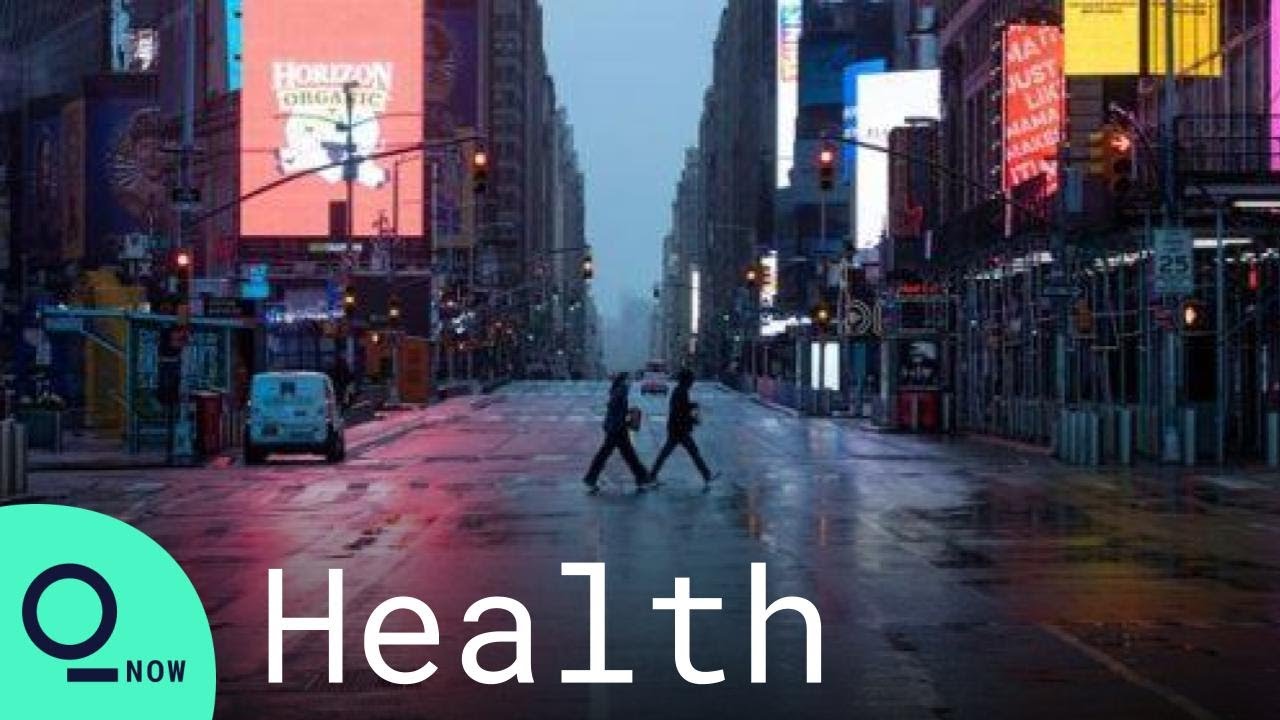
Before Covid-19 hit, New York City was home to many of the richest people in the world, an elite group of 30,000 families earning at least $1 million a year.
Gotham’s future will be decided by how many of these super-wealthy people remain after the pandemic is over.
The top 1% of New Yorkers reported a combined $133.3 billion in income in 2018, according to new data released last month by the city’s Independent Budget Office. They paid $4.9 billion in local income taxes, making up 42.5% of total income tax collected by the city.
Those numbers show how the decisions of a tiny number of millionaires and billionaires could have huge fiscal consequences for a city of more than 8 million people. In 2018, 1,786 tax filers earned more than $10 million or more.
The top 1% — about 38,700 taxpayers — earned almost as much as the bottom 90% of New Yorkers. The top 5% earned more than the bottom 95%.
New York’s richest residents were quick to leave in March, when the city became the center of a Covid-19 outbreak killing about 1 in 400 residents.
Since then, some New Yorkers have returned. Many others have stayed away, with rents on city apartments falling as suburban home prices rise. Wealthy people in the New York area tell advisers they’re thinking about permanent moves, especially to Florida, which doesn’t have a state income tax.
In New York, the city levies its own income tax of as much as 3.876% in addition to the state’s top rate of 8.82%.
“I’m fielding calls from people who want to get out of New York and New Jersey,” said Geoffrey Weinstein, a tax attorney at Cole Schotz. “People are getting more comfortable with working remotely.”
The incomes of the top 1% have jumped since the last recession. To join the richest 1% of New Yorkers in 2018, one needed an income of over $811,663. That’s up from $493,400 in 2009 when the recession ended.
One factor still keeping many affluent families in New York is its educational amenities, Weinstein said. “The number one issue is school, for people who have children.”
Over the last decade, the number of ultra-rich children in the city has grown sharply, the Independent Budget Office data show. In 2009, the year the recession ended, tax filers earning at least $1 million listed 15,926 children. By 2018, 31,137 were listed — a 95.5% increase. Meanwhile, in households with incomes up to $100,000, there was a 14.9% decline in the number of children. Among households with incomes of up to $50,000, there was a 19.8% drop.
Overall, the number of kids in the city as reported on tax returns peaked in 2012 and has fallen consecutively since.
Subscribe to our YouTube channel
Bloomberg Quicktake brings you live global news and original shows spanning business, technology, politics and culture. Make sense of the stories changing your business and your world.
To watch complete coverage on Bloomberg Quicktake 24/7, visit or watch on Apple TV, Roku, Samsung Smart TV, Fire TV and Android TV on the Bloomberg app.
Connect with us on…
Breaking News on YouTube
Sentinel Indexing in Progress
Metadata and chapters are available. Claim extraction for this episode is pending.
All video content is delivered via YouTube embedded players in accordance with the YouTube Terms of Service. Sentinel provides research tools that promote discovery and accountability across political media.