Bloomberg News
@Bloomberg-News·2.8M subscribers·40.1K videos
Trump Steps Back From Stimulus Talks Leaving It Up to Congress
Posted
November 12, 2020
Views
49,944
Likes
347
Comments
257
Engagement
November 12, 2020
49,944
347
257
1.21%
Every word spoken in this episode is indexed. Type any phrase to jump straight to the moment it was said.
Type any word or phrase that may have been spoken. Click a result to seek the player to that exact moment.
Try a name, a topic, or a quoted line
See what was published immediately before and after this episode.
 3:41Now Playing
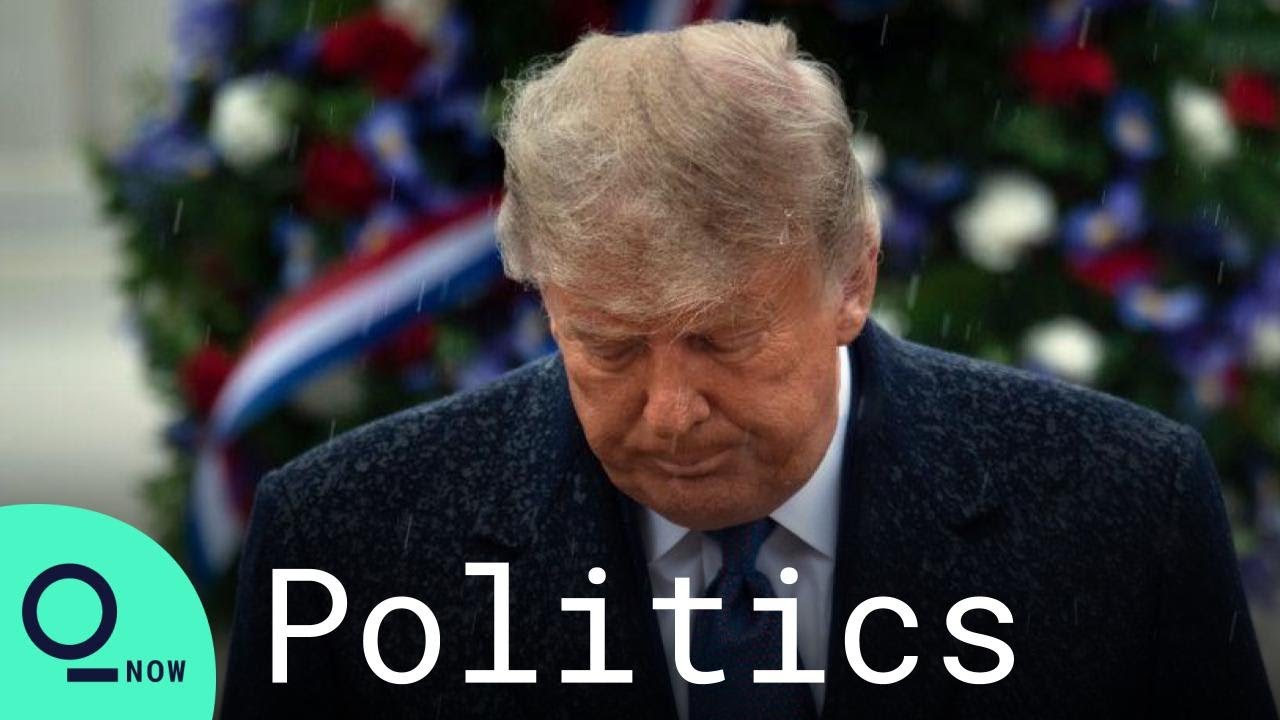
The Trump administration is stepping back from negotiations on a new stimulus package and leaving it to Senate Majority Leader Mitch McConnell to revive long-stalled talks with House Speaker Nancy Pelosi, according to two people familiar with the matter.
While the White House probably would consult with GOP lawmakers on details of a Covid-19 relief bill, it’s now unlikely to take the lead on talks, according to the people, who spoke on condition of anonymity to discuss internal deliberations. The White House would only take over if negotiations have to be restarted completely, the people said.
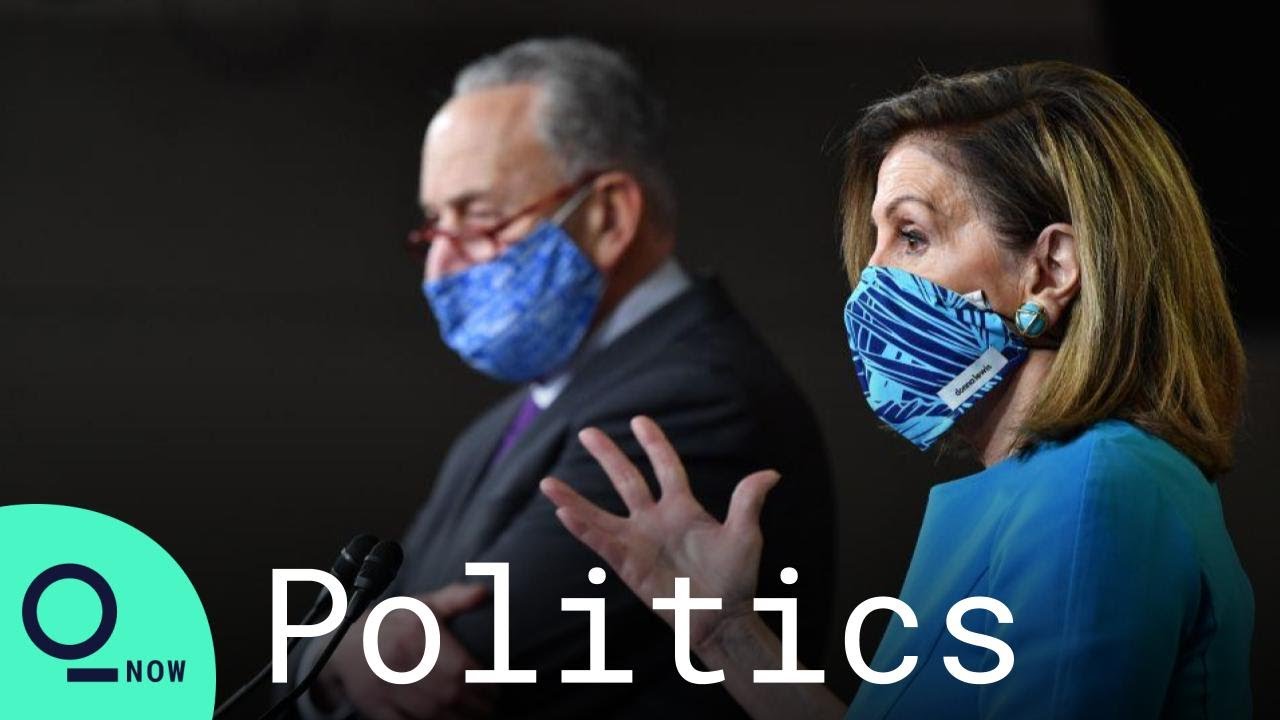
McConnell’s position on stimulus has been even farther from the Democrats’ $2.4 trillion proposal than that of Treasury Secretary Steven Mnuchin, who had been lead Republican negotiator, leaving low odds of a breakthrough before January. Pelosi and Senate Democratic leader Chuck Schumer reiterated their call for a big package Thursday.
“There’s not been any discussion yet between McConnell and Pelosi, but McConnell is not going to rely on Mnuchin any more to do the dealing,” Senate Finance Committee Chairman Chuck Grassley, an Iowa Republican, said. “I think he is intending to take it over and to try to get something going and get it done.”
President Donald Trump had committed to pursuing a large-scale stimulus after the election, even saying he would approve a $2 trillion bill, but has since focused on attempting to overturn President-elect Joe Biden’s victories in battleground states.
Prospects for a continuing stalemate threaten to undercut an already weakening U.S. economic recovery, as the country’s coronavirus case count surges to daily records.
Federal Reserve Chair Jerome Powell said earlier this month that fiscal stimulus is “absolutely essential” to the U.S. economic recovery. He has also said that even if spending proved more than necessary, it “will not go to waste.”
Mnuchin and Pelosi were at an impasse before Election Day, with the administration proposing about $1.9 trillion in spending, and Democrats at $2.4 trillion. A welter of policy issues, from aid to state and local governments to a Republican push for liability protections for businesses, had also prevented a deal.
McConnell has continued to insist on a much smaller package of about $500 billion, pointing to signs of a continuing recovery including a slide in the unemployment rate. He has also cited encouraging news on a coronavirus vaccine.
“The level at which the economy is improving further underscores that we need to do something at about the amount that we put on the floor in September and October,” McConnell told reporters. Democratic leaders “still are looking at something dramatically larger. That’s not a place I think we’re willing to go,” he said.
His office declined to comment about the White House role in the talks.
Schumer said Thursday that the $2.4 trillion House-passed bill must be the starting point to any new stimulus talks, reinforcing the stalemate with the Senate.
Subscribe to our YouTube channel
Bloomberg Quicktake brings you live global news and original shows spanning business, technology, politics and culture. Make sense of the stories changing your business and your world.
To watch complete coverage on Bloomberg Quicktake 24/7, visit or watch on Apple TV, Roku, Samsung Smart TV, Fire TV and Android TV on the Bloomberg app.
Connect with us on…
Breaking News on YouTube
Sentinel Indexing in Progress
Metadata and chapters are available. Claim extraction for this episode is pending.
All video content is delivered via YouTube embedded players in accordance with the YouTube Terms of Service. Sentinel provides research tools that promote discovery and accountability across political media.