Bloomberg News
@Bloomberg-News·2.8M subscribers·40.1K videos
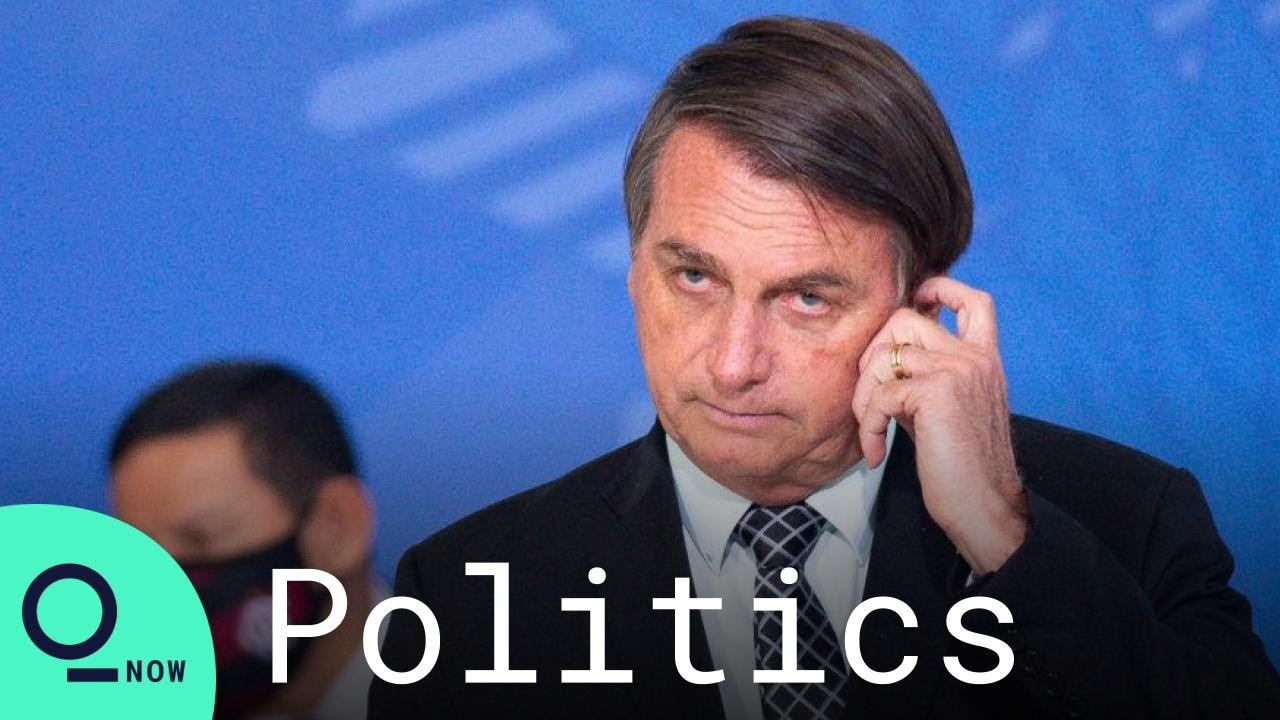
Dozens of Fake Bolsonaros Are Running in Brazilian Elections
Posted
November 12, 2020
Views
7,419
Likes
41
Comments
15
Engagement
November 12, 2020
7,419
41
15
0.75%
Every word spoken in this episode is indexed. Type any phrase to jump straight to the moment it was said.
Type any word or phrase that may have been spoken. Click a result to seek the player to that exact moment.
Try a name, a topic, or a quoted line
See what was published immediately before and after this episode.
 5:09Now Playing
Running for office in Brazil’s municipal elections this weekend are, in no particular order, Adilson Bolsonaro, Aldo Bolsonaro, Angela Bolsonaro, Fernanda Bolsonaro, Zezinho Bolsonaro, Junior Bolsonaro, Maclaiten Bolsonaro, Cabo Ramos Bolsonaro and Wesley Bolsonaro.
None of them are related to the Bolsonaro -- the president, Jair -- and in fact none of them are actually even named Bolsonaro. But in a sign of just how wildly popular his Trump-ian brand of conservative politics is in many parts of the Brazilian hinterland, scores of candidates are tacking Bolsonaro onto their registered names appearing on ballots this Sunday. In all, more than 70 politicians have adopted it.
“His popularity is growing every day,” said Jair Sousa Silva, a former evangelical pastor who’s running under the name Jair Bolsonaro for a city council seat in a town in the Amazon. “When I’m asking for votes from my brothers of faith, I’m known as Brother Jair, Pastor Jair, and also Jair Bolsonaro.”
The real Jair Bolsonaro is polling better nationally than he ever has before. Yes, his detractors blame him for bungling the medical response to the pandemic, which has claimed more than 160,000 lives, but his administration’s decision to fork over large Covid relief checks to one third of Brazilians has cut into poverty and shored up his support. Sunday’s elections, with all the Bolsonaros and Bolsonaro allies on ballots across the country, will serve as something of a referendum on the president two years before he faces re-election.
There’s nothing illegal about borrowing a celebrity’s name to create a political nickname in Brazil. There’s a long tradition of it here, a country where politics often have a certain zany flair to them. Lula -- as the leftist leader Luiz Inacio Lula da Silva was known to everyone -- was a popular one years ago, and to this day appears on a smattering of ballots across the country.
Even as the government phases out the emergency payments that have boosted Bolsonaro’s popularity this year, many candidates are still trying to tag along after the president. Most of them are disputing elections in smaller cities where government financial help has played an outsize role in the economic recovery.
The few exceptions are family members who are running in Sao Paulo and Rio de Janeiro, including Carlos Bolsonaro, the president’s son who seeks re-election as a Rio councilman.
“Bolsonaro’s name is very powerful here; I really believe it will help me get elected,” Joao Claudio “Bolsonaro” Tozzi said in an interview. A construction worker, he is running for the city council of Goioere, a small town in the southern state of Parana which gave the president more than 68% of votes in 2018.
In daily live transmissions this week, Bolsonaro has been endorsing some of those candidates, but it’s unclear whether his support will make a meaningful difference or not. While there are few electoral surveys for city councilors, candidates for mayor who have received the president’s explicit support are trailing in opinion polls. Among them are Rio de Janeiro Mayor Marcelo Crivella, running for re-election, and Celso Russomanno, who’s trying to unseat current Sao Paulo Mayor Bruno Covas.
Brazil’s electoral legislation allows candidates to pick a nickname by which they’re widely known. The process is rather subjective, however, making room for unusual ballot names including “Ronald Trump” or “Donald Trump Bolsonaro” -- two real candidates this year.
“In theory, the electoral court could demand proof of those claims, but as no one disputes them, those types of nicknames are validated,” said Henrique Neves, a former judge with Brazil’s top electoral court.
Brazil’s fragmented political system with about 40 different parties, many of them regularly rebranding themselves, also puts emphasis on strong individual contenders or celebrity candidates. Bolsonaro himself got elected by the Social Liberal Party, ditched it months after taking office, and has so far failed to create his own party, the so-called Alliance for Brazil.
With his popularity being tested during the municipal elections, the president has said he doesn’t care if someone uses his name in the ballots.
Subscribe to our YouTube channel
Bloomberg Quicktake brings you live global news and original shows spanning business, technology, politics and culture. Make sense of the stories changing your business and your world.
To watch complete coverage on Bloomberg Quicktake 24/7, visit or watch on Apple TV, Roku, Samsung Smart TV, Fire TV and Android TV on the Bloomberg app.
Connect with us on…
Breaking News on YouTube
Sentinel Indexing in Progress
Metadata and chapters are available. Claim extraction for this episode is pending.
All video content is delivered via YouTube embedded players in accordance with the YouTube Terms of Service. Sentinel provides research tools that promote discovery and accountability across political media.