
Bloomberg News
@Bloomberg-News·2.8M subscribers·40.1K videos
Even Orthodontist Visits Go Remote During the Covid-19 Pandemic
Posted
November 19, 2020
Views
149,555
Likes
62
Comments
12
Engagement
November 19, 2020
149,555
62
12
0.05%
Every word spoken in this episode is indexed. Type any phrase to jump straight to the moment it was said.
Type any word or phrase that may have been spoken. Click a result to seek the player to that exact moment.
Try a name, a topic, or a quoted line
Episode Timeline
Every episode in order around the one you’re watching — click any card and the page flips straight to it.
 3:27Now Playing
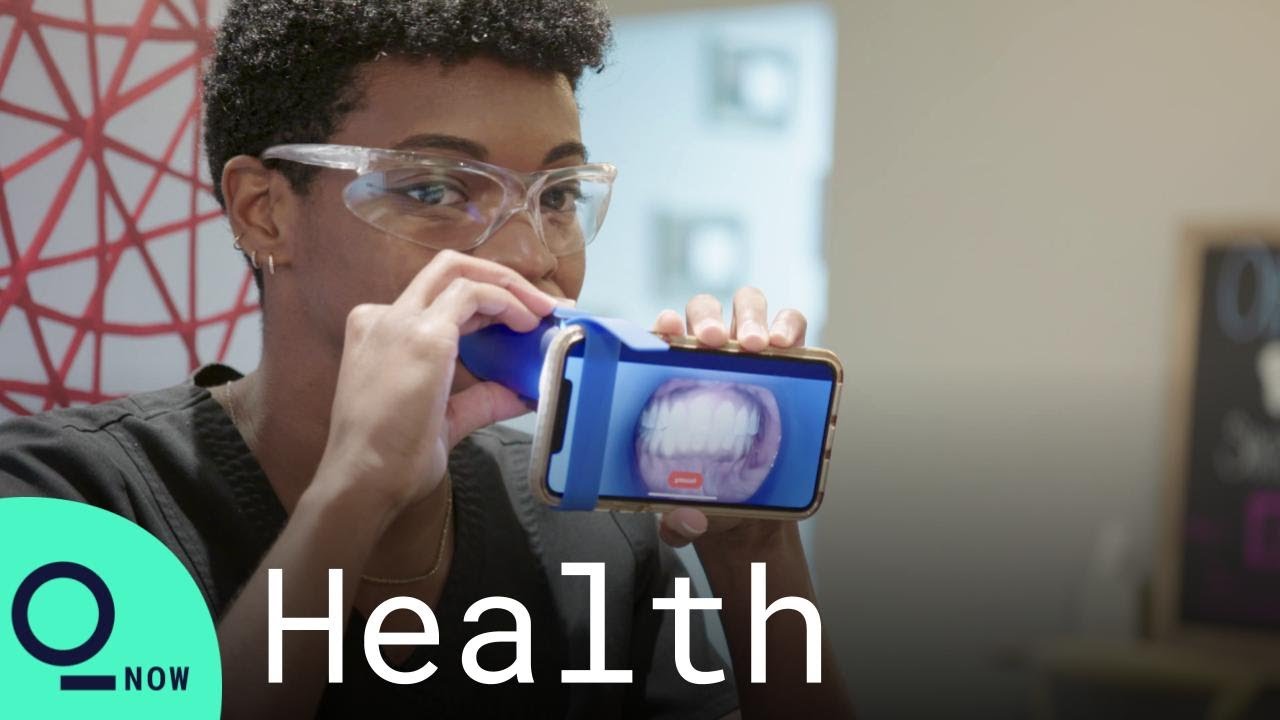
The Covid-19 pandemic has transformed many in-person activities into remote services delivered over the internet. The latest example is the dreaded visit to the orthodontist.
Enter: Grin.
The app and the scope were created last year by the New Jersey-based startup. After the pandemic hit, Chief Executive Officer and dentist Adam Schulhof said the company sped up development of the technology and partnered with manufacturer 3M Co. to quickly distribute it to as many orthodontists as possible. About 5,000 units have shipped out and roughly 1,000 patients have used the system so far, according to Grin.
Schulhof, who uses the system for his own practice, said the coronavirus has spurred huge demand for new procedures that help people reduce the close contact that typically happens when they visit the dentist. The CDC has warned that dental instruments create spray that can contain droplets of water, saliva, blood and other debris, and has advised the use of “teledentistry” as an alternative to in-office care.
When the Grin videos arrive at the dentist’s office, other software from the startup helps practitioners analyze the condition of the teeth and integrates the footage with existing patient management systems. The app also lets patients see what the dentist sees inside their mouth. Not for the faint of heart.
There are already new, internet-focused dental services that Grin is going up against. Companies such as SmileDirectClub Inc. mail invisible aligners and braces to consumers. SmileDirectClub shares have more than doubled since the middle of March. Schulfhof said Grin’s offering is aimed at fighting the challenge to conventional dentistry from such direct-to-consumer offerings. “We’re trying to disrupt the disrupters,” he added.
In the short-term, the technology will help orthodontists keep their businesses running while many patients avoid the dentist’s office completely, the CEO said. As smartphone capabilities improve and the software develops, Schulhof expects Grin’s scope to use artificial intelligence image analysis to become a more powerful diagnostic tool for dentists.
The CEO also sees the technology gaining traction in general dentistry where insurance companies may back its use. People’s teeth decay at different rates and more regular, remote checks, could be used to identify problems before they require more complicated and expensive treatment at in-person visits every six months, he said. Presented by Samsung.
Subscribe to our YouTube channel
Bloomberg Quicktake brings you live global news and original shows spanning business, technology, politics and culture. Make sense of the stories changing your business and your world.
To watch complete coverage on Bloomberg Quicktake 24/7, visit or watch on Apple TV, Roku, Samsung Smart TV, Fire TV and Android TV on the Bloomberg app.
Connect with us on…
Breaking News on YouTube
Sentinel Indexing in Progress
Metadata and chapters are available. Claim extraction for this episode is pending.
All video content is delivered via YouTube embedded players in accordance with the YouTube Terms of Service. Sentinel provides research tools that promote discovery and accountability across political media.