Bloomberg News
@Bloomberg-News·2.8M subscribers·40.1K videos
Young and Ambitious? Move to New York, Not Austin
Posted
February 3, 2021
Views
760
Likes
16
Comments
5
Engagement
2.76%
February 3, 2021
760
16
5
2.76%
Every word spoken in this episode is indexed. Type any phrase to jump straight to the moment it was said.
Type any word or phrase that may have been spoken. Click a result to seek the player to that exact moment.
Try a name, a topic, or a quoted line
 4:25Now Playing
The pandemic accomplished in 10 months what internet technologies have been promising for decades: a shift away from high-cost cities as the dominant centers of workforce talent and business activity. It's a shock that's just beginning to reverberate through the system.
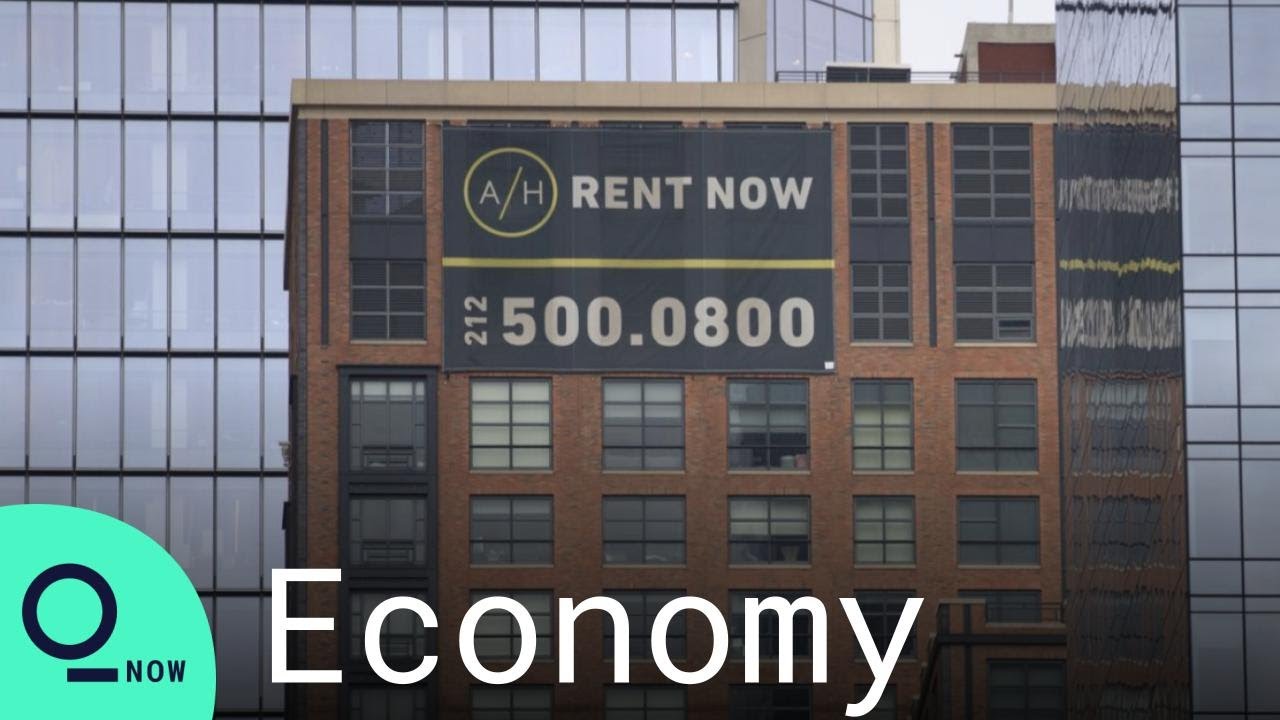
Apartment rents in high-cost metro areas like San Francisco, New York, Boston and Seattle have fallen more than 20% compared with pre-pandemic levels, while rents have actually risen modestly in low-cost areas like Albuquerque, New Mexico and Fresno, California. Narratives have sprung up about the future of the technology industry being in places like Austin, Texas, or even Miami.
But with a large price adjustment already behind us, and millions of doses of vaccines being administered every week, 2021 might actually be a once-in-a-generation opportunity for ambitious young people to get bargain pricing on the best cities in America — places like New York, which were expensive for a reason.
The argument for New York isn't quite as strong as it was a year ago, but for those early in their careers it remains a compelling one. Working remotely or from a lower-cost metro is great for the right person, especially one in a more established phase of life — I've been working remotely for eight years now — but that's probably not the case for someone in their 20's who's early in their career and trying to build their network and skills. For that, nothing beats the experience of in-person contacts and being exposed to countless other people in one's industry from whom they can learn and grow.
To the extent remote work remains at a high level even after the pandemic, these types of office settings might become even more scarce than they were before, making them more sought-after by young workers who need them for career advancement. We might even see workers and companies make city choices based on the kind of work culture they prefer — perhaps New York becomes the hub for in-person activity while Miami or Austin specialize more in remote work, with those in-person hubs getting a price premium for their scarcity.
High levels of retail and office vacancies are a problem for a city's tax base and its landlords, but for workers and people new to a city they're an opportunity. Low vacancy rates and high commercial rents constrained new business formation in the 2010's. The opposite in 2021 could mean an explosion in new business creation over the next couple years as the economy comes back — which it's likely to do, boosted by trillions of dollars of fiscal stimulus at the federal level.
Sentinel Indexing in Progress
Metadata and chapters are available. Claim extraction for this episode is pending.
All video content is delivered via YouTube embedded players in accordance with the YouTube Terms of Service. Sentinel provides research tools that promote discovery and accountability across political media.