Bloomberg News
@Bloomberg-News·2.8M subscribers·40.1K videos
Missed Doctor Visits Have Created Covid’s Shadow Health Crisis
Posted
February 9, 2021
Views
555
Likes
6
Engagement
1.08%
February 9, 2021
555
6
1.08%
Every word spoken in this episode is indexed. Type any phrase to jump straight to the moment it was said.
Type any word or phrase that may have been spoken. Click a result to seek the player to that exact moment.
Try a name, a topic, or a quoted line
 6:55Now Playing
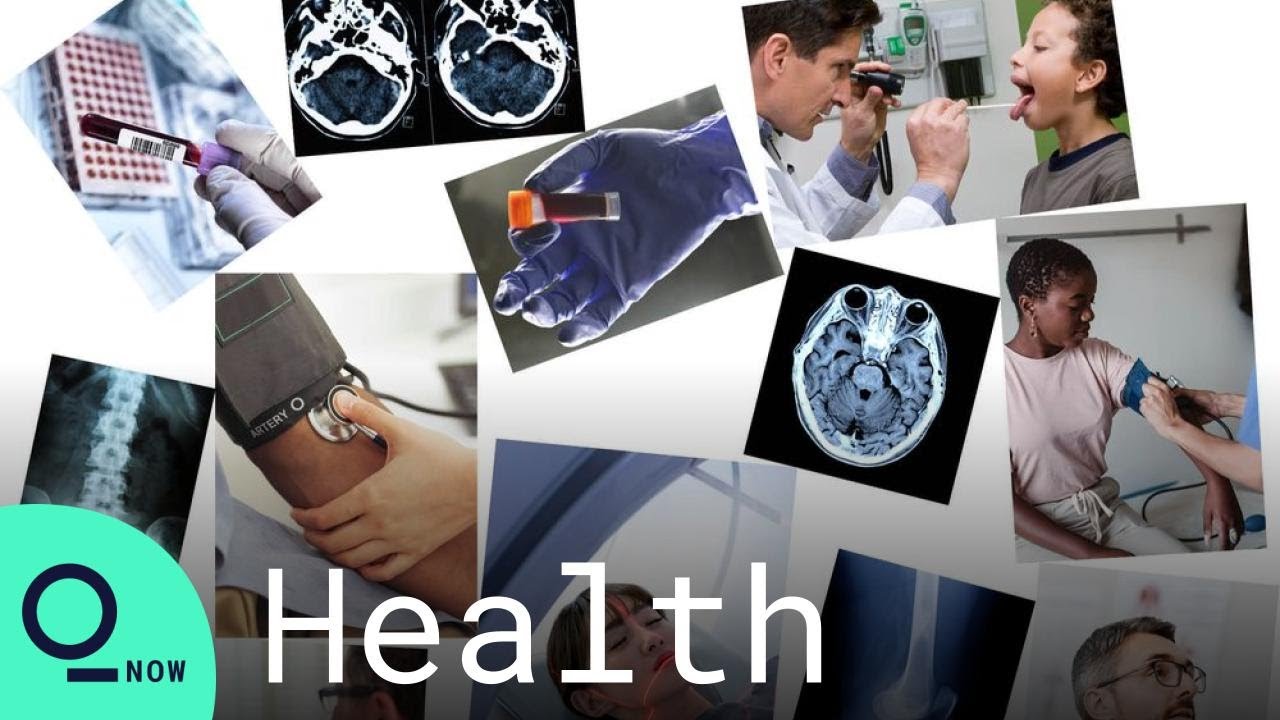
During a year when many hospitals in the U.S. saw a crush of Covid-19 patients, other kinds of medical care dropped off sharply. Insulin prescriptions went unwritten, and HIV tests were untaken. Cancer care was pushed off or canceled. People having heart attacks didn’t go to the emergency room.
The cause was the pandemic: People had been told to stay home and were afraid of becoming infected. Even if they wanted to go to the doctor, in-person slots were scarce as waiting rooms were thinned out to allow for social distancing.
These disruptions, compounded by job losses that added to the ranks of uninsured Americans, have created a shadow health crisis. Although the implications will take time to understand, experts say that medical care that was deferred or avoided in 2020 could worsen many Americans’ health in the longer term and inflate medical costs for years to come. While Covid has taken a heavy toll on communities of color, the secondary crisis also risks exacerbating racial health disparities.
Subscribe to our YouTube channel
Bloomberg Quicktake brings you live global news and original shows spanning business, technology, politics and culture. Make sense of the stories changing your business and your world.
To watch complete coverage on Bloomberg Quicktake 24/7, visit or watch on Apple TV, Roku, Samsung Smart TV, Fire TV and Android TV on the Bloomberg app.
Connect with us on…
Breaking News on YouTube
Sentinel Indexing in Progress
Metadata and chapters are available. Claim extraction for this episode is pending.
All video content is delivered via YouTube embedded players in accordance with the YouTube Terms of Service. Sentinel provides research tools that promote discovery and accountability across political media.