Bloomberg News
@Bloomberg-News·2.8M subscribers·40.1K videos
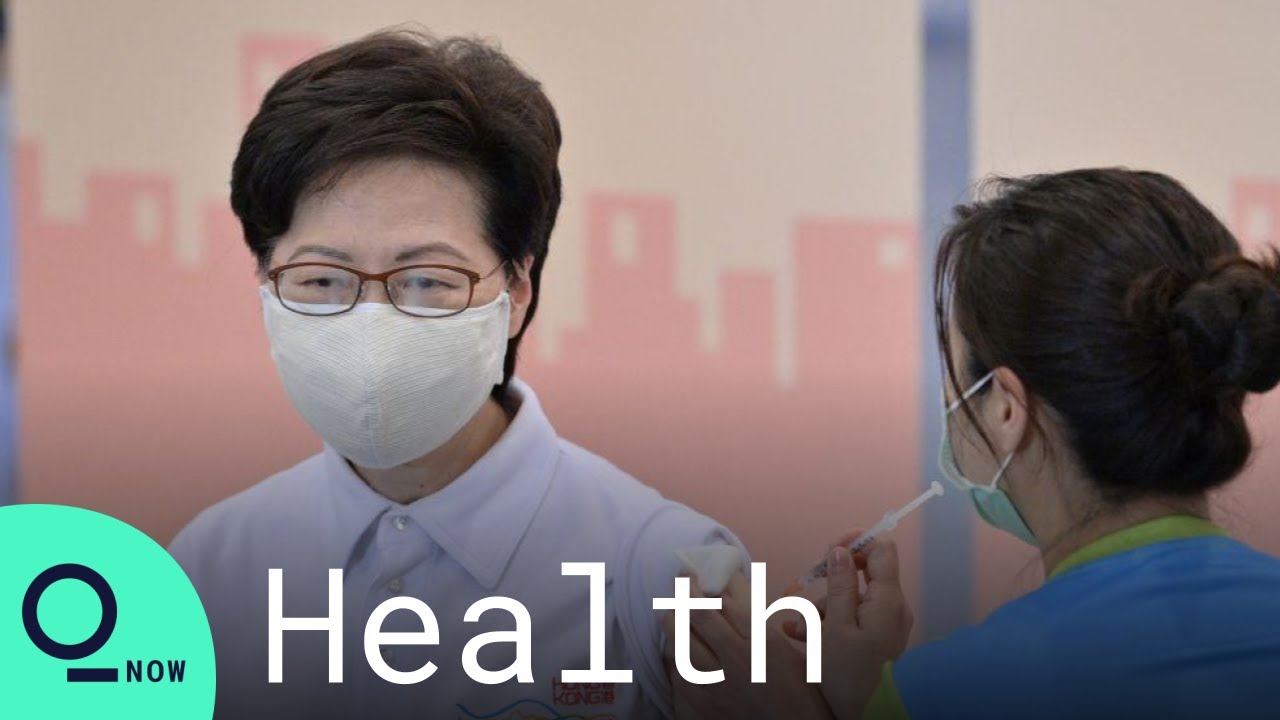
Coronavirus: Hong Kong Leader Carrie Lam Gets China's Sinovac Vaccine
Posted
February 22, 2021
Views
2,939
Likes
35
Comments
23
Engagement
February 22, 2021
2,939
35
23
1.97%
Every word spoken in this episode is indexed. Type any phrase to jump straight to the moment it was said.
Type any word or phrase that may have been spoken. Click a result to seek the player to that exact moment.
Try a name, a topic, or a quoted line
 2:53Now Playing
Hong Kong Chief Executive Carrie Lam received China's Sinovac Covid-19 vaccine at a public event on Monday, seeking to reassure residents as the Asian financial hub prepares to begin its rollout of inoculations. Lam and the heads of various government departments and bureaus received coronavirus shots at a community vaccination center in Hong Kong’s main library at 2:30 p.m. local time.
About 1 million Sinovac doses were shipped to the city last week, while Lam said the western Covid-19 shot developed by BioNTech SE and Pfizer Inc. should arrive by the end of the month. Lam had said she’s asked China to provide more shots because of a “hiccup” with the city’s other vaccine orders.
Hong Kong will start its inoculations on Friday, beginning with priority groups including medical workers, residential care home staff and people aged 60 and older.
By getting the shot publicly, Lam is following an example set by other political leaders including Indonesian President Joko Widodo who have gotten shots early to encourage citizens to get inoculated.
Lam faces challenges accomplishing this, in part because some people appear to be hesitant to get the shot. A survey last summer by the Chinese University of Hong Kong found that just 37% of Hong Kongers wanted to get a Covid-19 vaccine -- much lower than the 80% that experts say is required for herd immunity. That study found government recommendations were the most effective way to get people to have the procedure.
Lam’s popularity rating fell to a record low last year as historic protests fizzled out only when the government imposed social-distancing rules to control the virus outbreak, and she has been attacked for her policies throughout the pandemic.
The lack of trust in her government has occasionally hampered virus-control measures, including when many people refused to participate in a universal testing drive backed by China because they believed it was an exercise to harvest and collect their DNA.
Lam was also criticized for a recent series of targeted mini-lockdowns and mandatory testing blitzes that failed to unearth many new virus cases. Lam said the fact that so few cases came to light proved that the city’s policies were working.
Hong Kong, with a population of 7.5 million, has reported fewer than 11,000 total cases and less than 200 deaths.
Sentinel Indexing in Progress
Metadata and chapters are available. Claim extraction for this episode is pending.
All video content is delivered via YouTube embedded players in accordance with the YouTube Terms of Service. Sentinel provides research tools that promote discovery and accountability across political media.