Bloomberg News
@Bloomberg-News·2.8M subscribers·40.1K videos
Republican Sen. Roy Blunt of Missouri Says He Won’t Seek Reelection in 2022
Posted
March 8, 2021
Views
16,330
Likes
186
Comments
154
Engagement
March 8, 2021
16,330
186
154
2.08%
Every word spoken in this episode is indexed. Type any phrase to jump straight to the moment it was said.
Type any word or phrase that may have been spoken. Click a result to seek the player to that exact moment.
Try a name, a topic, or a quoted line
 2:21Now Playing
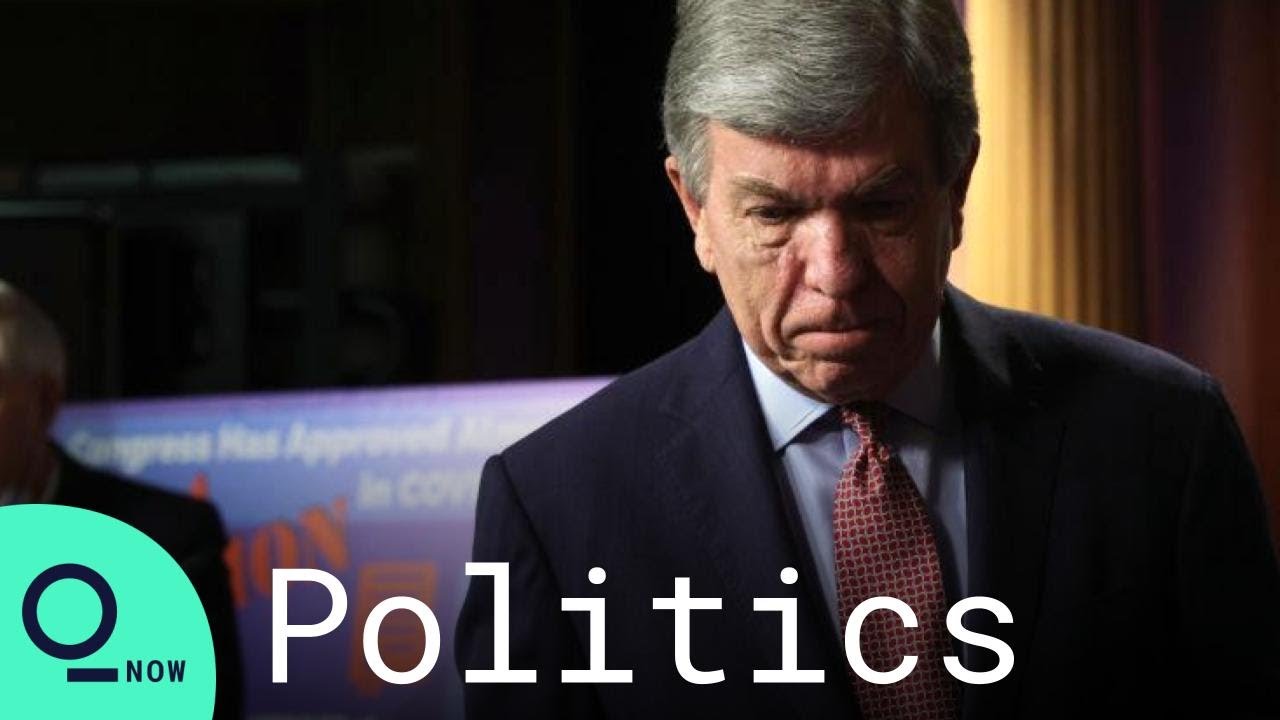
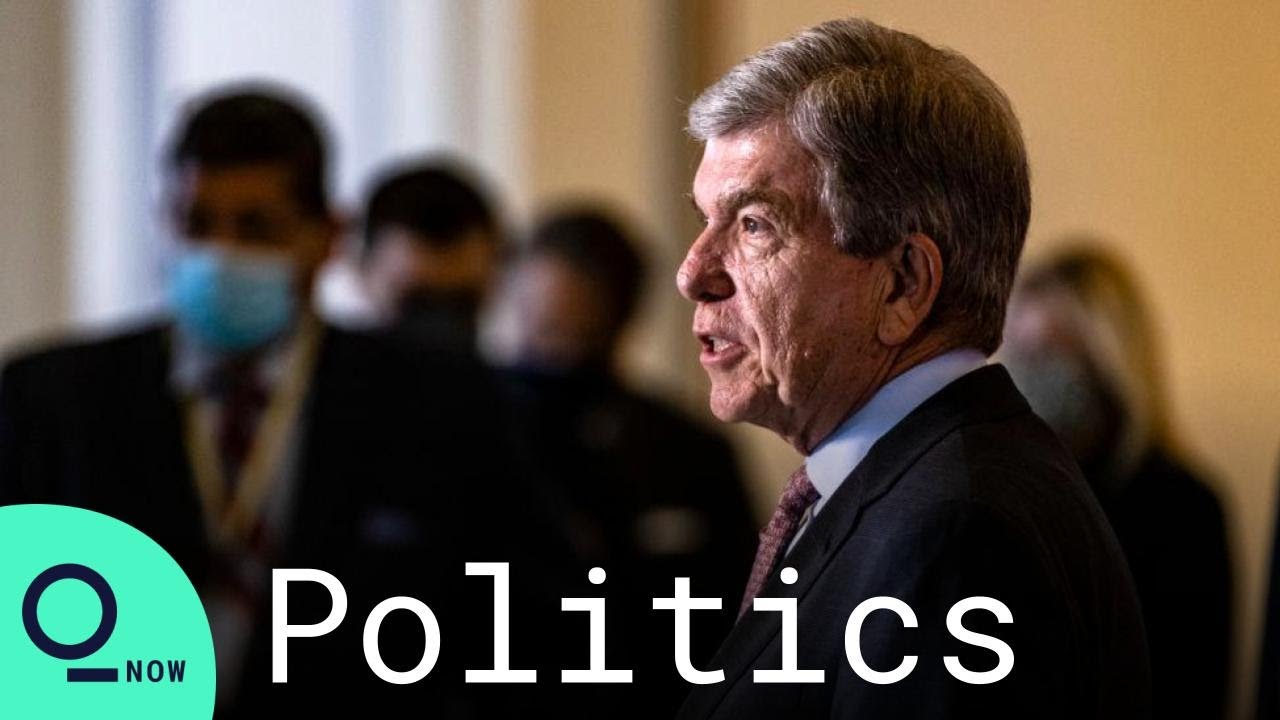
Sen. Roy Blunt of Missouri said Monday he will not seek reelection, making him the fifth Republican in the Senate to bow out rather than seek another term in a party searching for direction after President Donald Trump.
Blunt, who turned 71 in January, was widely expected to seek a third term in 2022. Before election to the Senate he served seven terms in the U.S. House. He also served two terms as Missouri’s secretary of state from 1985 to 1993.
“In every job Missourians have allowed me to have, I’ve tried to do my best,” Blunt said in his announcement made via video. “In almost 12,000 votes in the Congress, I’m sure I wasn’t right every time, but you really make that decision based on the information you have at the time.
“After 14 General Election victories — three to county office, seven to the United States House of Representatives, and four statewide elections — I won’t be a candidate for re-election to the United States Senate next year,” he said.
Senate Minority Leader Mitch McConnell called Blunt’s retirement “a loss for the Republican conference and the entire Senate.”
“In just 10 years in this body, he’s quickly become a true leader, a policy heavyweight, and a driving force behind both key conservative victories and essential bipartisan work,” McConnell said in a statement.
Blunt’s Missouri colleague, Republican Josh Hawley, called Blunt “a Missouri institution.
“A consummate legislator, Roy has worked tirelessly for the state he loves and has served Missourians with distinction,” Hawley said in a statement.
Blunt is the No. 4 in Senate Republican leadership. The five Senate Republicans not seeking reelection could set up contested primaries highlighting divisions between far-right, Trump-aligned Republicans and the old guard of the party. The others are Pat Toomey of Pennsylvania, Rob Portman of Ohio, Richard Shelby of Alabama and Richard Burr of North Carolina.
Two other Republicans — Sens. Charles Grassley of Iowa and Ron Johnson of Wisconsin — have not yet said whether they plan to seek reelection.
In Ohio, Pennsylvania and North Carolina, in particular, Democrats have hopes of winning seats. Of the remaining three, Missouri and Ohio have both trended Republican in recent years, and Alabama should be safe for the GOP.
It’s not clear whether Trump-induced Republican turmoil is playing a major role in Senate retirements so far. While he has generally supported Trump, Blunt has broken with him occasionally.
Like most Republican senators, he voted against Trump’s effort to upend his November election loss. He also opposed Trump’s veto of last year’s sweeping defense policy bill, and backed a failed effort to prevent Trump from unilaterally shifting money to border wall construction.
Of the five announced retirees so far, four are age 65 or older and all have been in Congress for a decade or more. Ohio’s Portman said he had wearied of the intense polarization of today’s politics, but none of the others publicly suggested the political atmosphere contributed to their decisions.
Subscribe to our YouTube channel
Bloomberg Quicktake brings you live global news and original shows spanning business, technology, politics and culture. Make sense of the stories changing your business and your world.
To watch complete coverage on Bloomberg Quicktake 24/7, visit or watch on Apple TV, Roku, Samsung Smart TV, Fire TV and Android TV on the Bloomberg app.
Have a story to tell? Fill out this survey for a chance to have it featured on Bloomberg Quicktake
Connect with us on…
Breaking News on YouTube
Sentinel Indexing in Progress
Metadata and chapters are available. Claim extraction for this episode is pending.
All video content is delivered via YouTube embedded players in accordance with the YouTube Terms of Service. Sentinel provides research tools that promote discovery and accountability across political media.