Bloomberg News
@Bloomberg-News·2.8M subscribers·40.1K videos
Releasing Japan's Low-Radiation Water
Posted
April 13, 2021
Views
4,259
Likes
28
Comments
70
Engagement
2.30%
April 13, 2021
4,259
28
70
2.30%
Every word spoken in this episode is indexed. Type any phrase to jump straight to the moment it was said.
Type any word or phrase that may have been spoken. Click a result to seek the player to that exact moment.
Try a name, a topic, or a quoted line
 4:33Now Playing
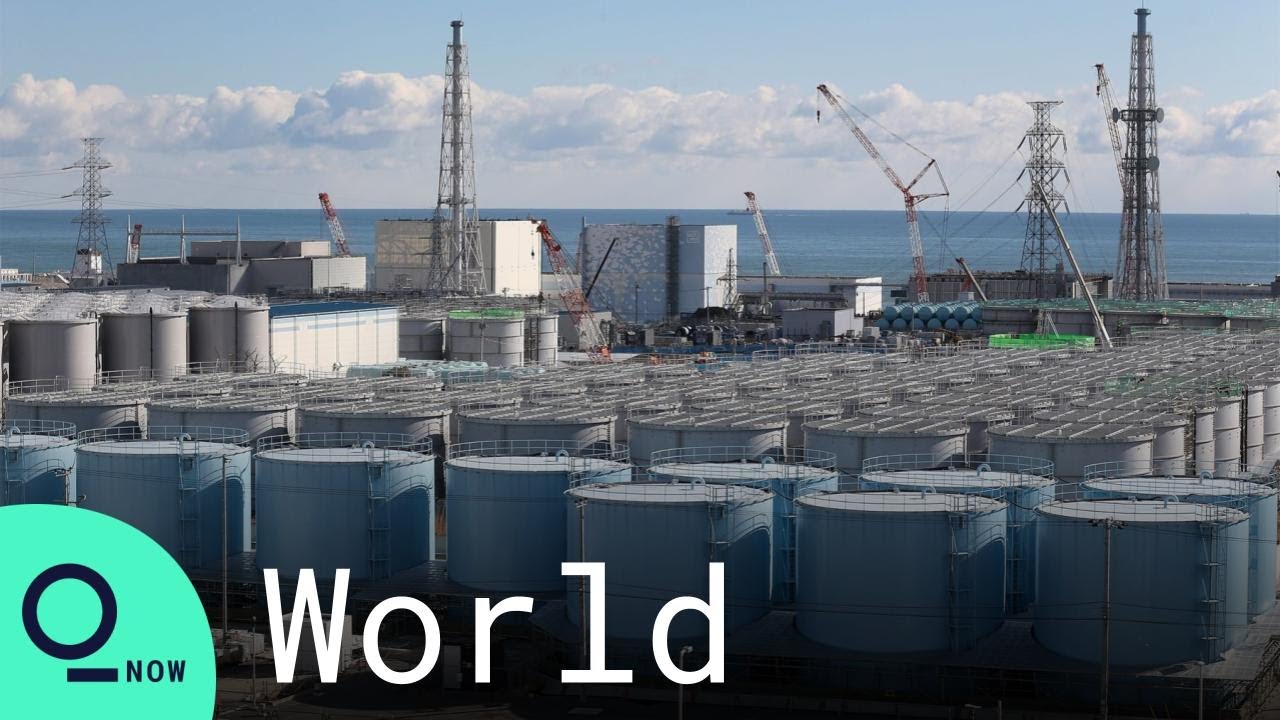
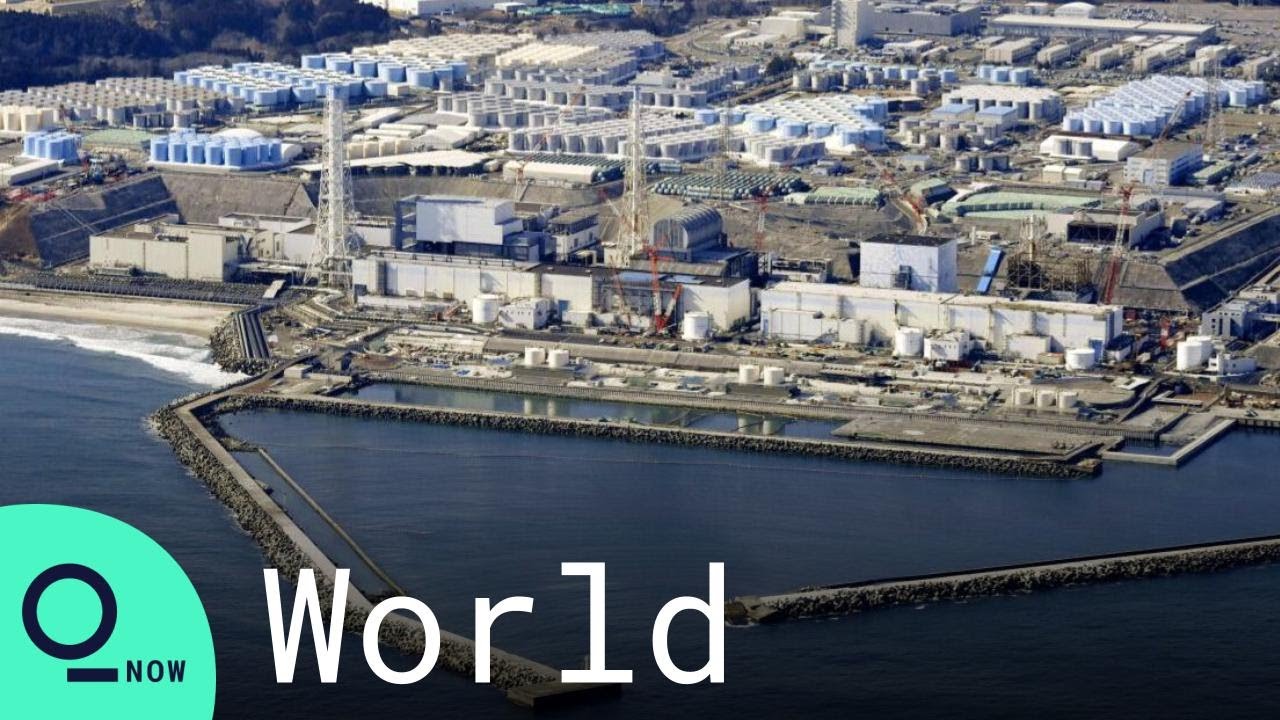
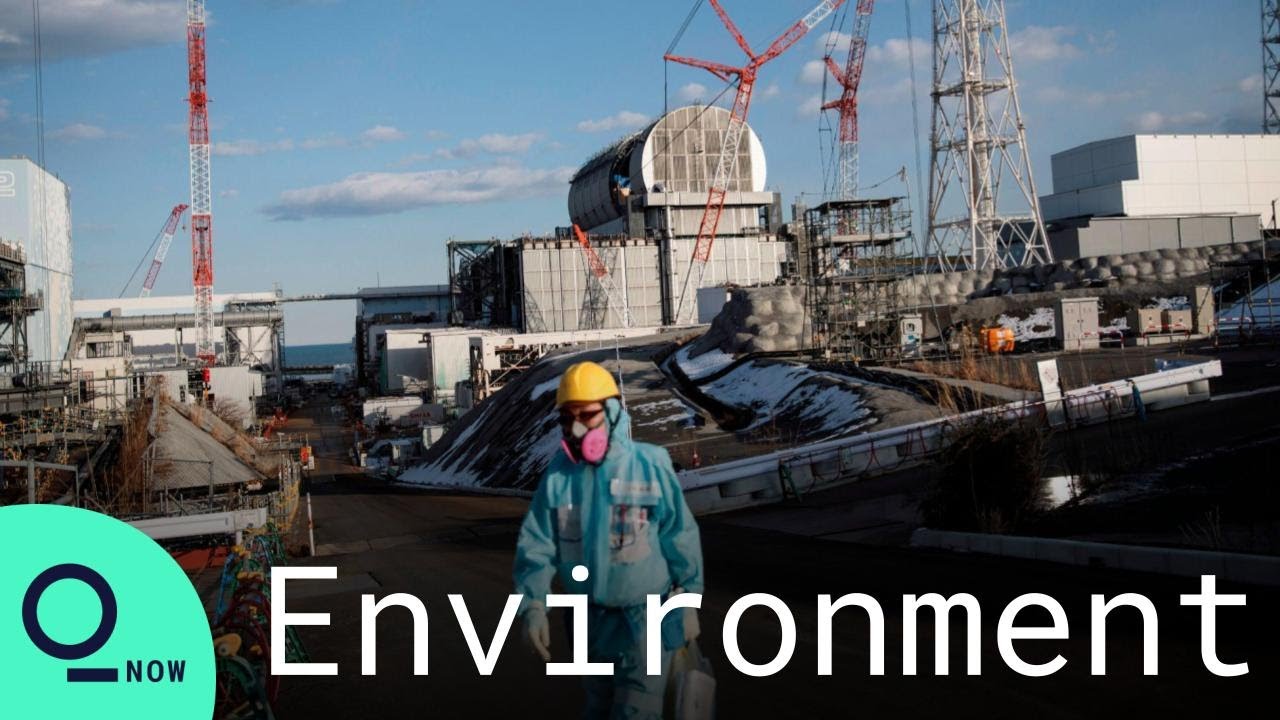
The Japanese utility giant Tepco is planning to dump more than 1 million cubic meters of treated radioactive water -- enough to fill 500 Olympic-size swimming pools -- from the wrecked Fukushima Dai-Ichi nuclear power plant into the Pacific Ocean, part of its nearly $200 billion effort to clean up the worst atomic accident since Chernobyl. Storage tanks at the site are forecast to be full by mid-2022, and space for building more is scarce. Scary as it sounds, discharges are common practice in the industry and would likely meet global guidelines. That hasn’t assuaged angry locals or neighboring South Korea.
1. Where does the water come from?
A 2011 earthquake, the strongest ever recorded in Japan, and ensuing tsunami caused structural damage to Fukushima’s reactor buildings, about 220 kilometers (137 miles) north of Tokyo. While Tepco cycles in water to keep fuel and debris cool, about 100 cubic meters (840 barrels) of groundwater flows in daily and becomes contaminated. The tainted water is pumped out and run through something called the Advanced Liquid Processing System, or ALPS, then stored in one of roughly 1,000 tanks at the site. The processing removes most of the radioactive elements except for tritium.
2. What is tritium?
A form of hydrogen that has two extra neutrons, making it weakly radioactive. It is naturally produced in the upper atmosphere and also is a common byproduct of nuclear power generation. It has various applications including in making nuclear weapons, in medicine as a biological tracer, and in producing such glow-in-the-dark items as exit signs and watch dials.
3. Is it dangerous?
It can be carcinogenic at high levels. While tritium’s beta particles (those emitted during radioactive decay) are too low-energy to penetrate the skin, they can build up in the body if inhaled or consumed (usually via tainted water). Yet according to the Canadian Nuclear Safety Commission, a human would need to ingest billions of units of becquerels (a measure for radioactivity) before seeing any health effects. The Tepco tank with the highest concentration has 2.5 million becquerels per liter, according to data from Dec. 31. For comparison, a banana has 15 becquerels and 1 kilogram (2.2 pounds) of uranium has 25 million.
4. How is it handled?
Most nuclear power plants discharge small amounts of tritium and other radioactive material into rivers and oceans, according to David Hess, a policy analyst at the World Nuclear Association, an industry group. In the U.S., such “authorized releases” of so-called tritiated water are done “routinely and safely” and are fully disclosed, according to the U.S. Nuclear Regulatory Commission. The International Commission on Radiological Protection’s recommendations, which form the basis for rules globally, limit liquid radioactive waste so that public radiation doses annually are less than 1 millisievert (a unit for measuring radiation exposure, abbreviated as mSv). For comparison, the World Nuclear Association says background radiation in the natural environment typically exposes people to an average 2.4 mSv a year, while a CT scan of the pelvis results in an effective dose of 10 mSv.
5. Why not build more tanks?
Tepco, or Tokyo Electric Power Company Holdings Inc., is essentially out of room on the facility grounds. It has already felled 500 square meters (5,400 square feet) of trees next to a bird sanctuary to make room for about 1,000 tanks. Japan could move toward more long-term storage on nearby land by investing in petroleum reserve tanks, the biggest of which can hold some 2.4 billion liters (20 million barrels) of liquid. It’s unlikely anyone will want to live in areas around the plant for a long time. But it would also require a political decision.
Subscribe to our YouTube channel
Bloomberg Quicktake brings you live global news and original shows spanning business, technology, politics and culture. Make sense of the stories changing your business and your world.
To watch complete coverage on Bloomberg Quicktake 24/7, visit or watch on Apple TV, Roku, Samsung Smart TV, Fire TV and Android TV on the Bloomberg app.
Have a story to tell? Fill out this survey for a chance to have it featured on Bloomberg Quicktake
Connect with us on…
Breaking News on YouTube
Sentinel Indexing in Progress
Metadata and chapters are available. Claim extraction for this episode is pending.
All video content is delivered via YouTube embedded players in accordance with the YouTube Terms of Service. Sentinel provides research tools that promote discovery and accountability across political media.