Bloomberg News
@Bloomberg-News·2.8M subscribers·40.1K videos
Daunte Wright Killing Renews Push to Remove Armed Police From Traffic Duty
Posted
April 15, 2021
Views
1,014
Likes
8
Comments
38
Engagement
April 15, 2021
1,014
8
38
4.54%
Every word spoken in this episode is indexed. Type any phrase to jump straight to the moment it was said.
Type any word or phrase that may have been spoken. Click a result to seek the player to that exact moment.
Try a name, a topic, or a quoted line
 6:35Now Playing
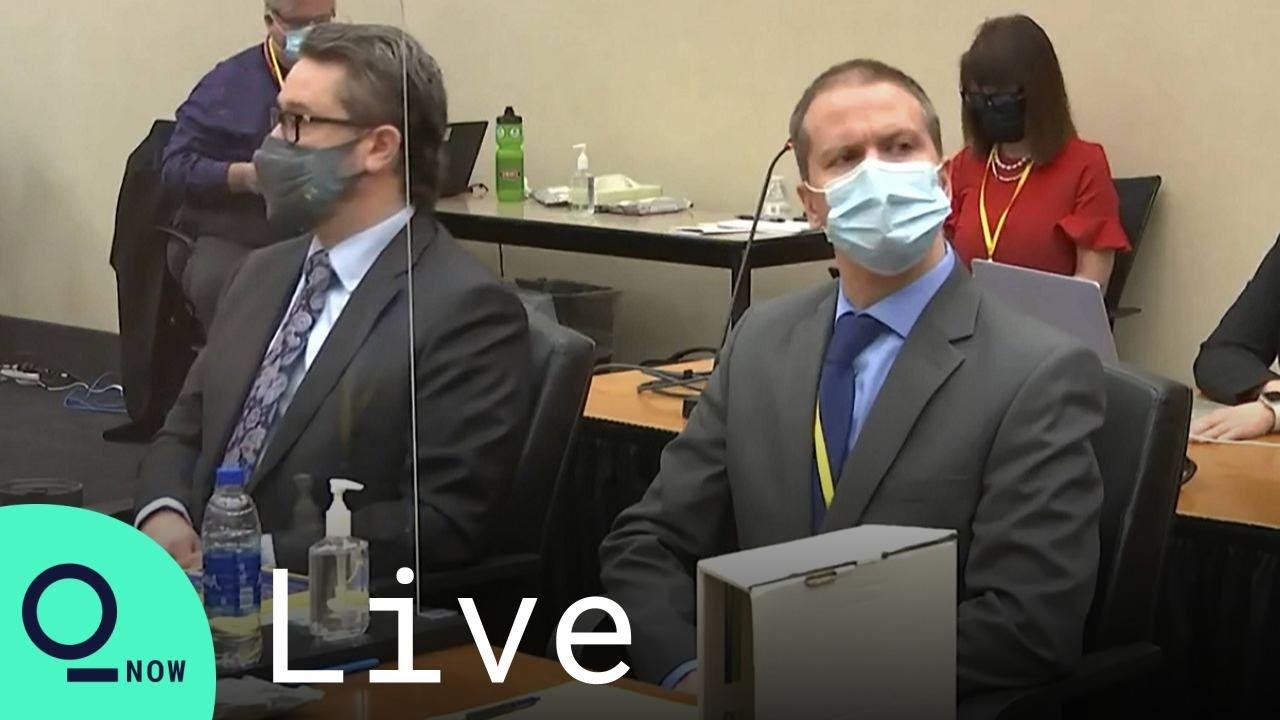
On Sunday afternoon, Daunte Wright was pulled over for having expired registration tags in the Minneapolis suburb of Brooklyn Center. When police approached his vehicle, officers also noticed an item hanging on his rear-view mirror — an air-freshener — which is illegal in Minnesota. A few minutes later, Wright, a 20-year-old Black man, was dead, shot by white police officer Kim Potter. According to Brooklyn Center Police Chief Tim Gannon, Potter had meant to deploy her Taser. Both Potter and Gannon resigned on Tuesday, and Potter now faces second-degree manslaughter charges.
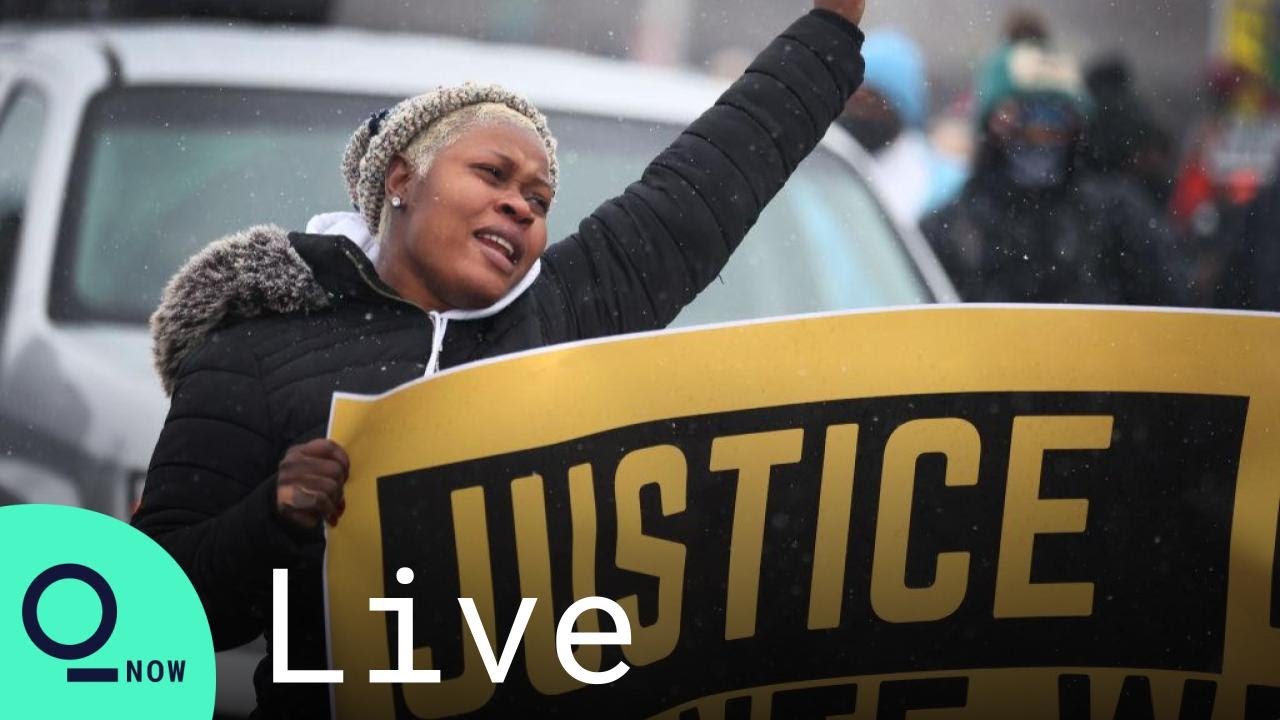
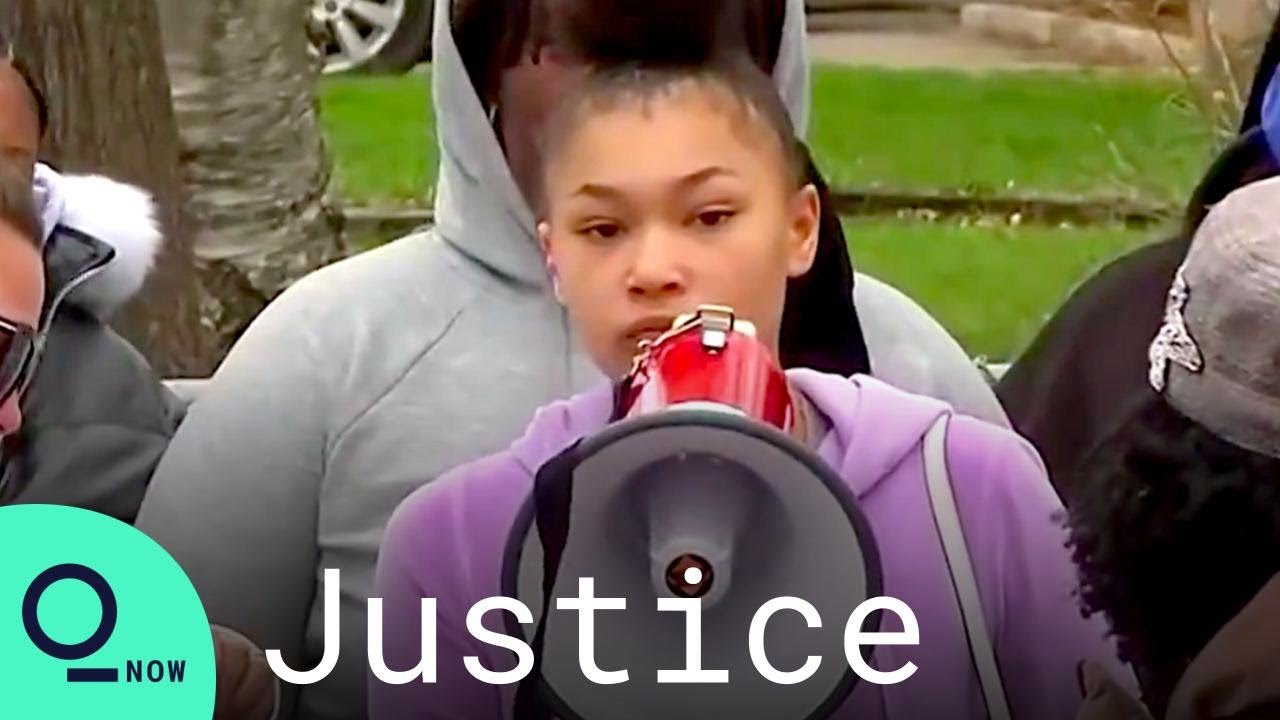
Traffic stops — the most common interaction between police and the public — disproportionately affect Black people. The incident, which bears a resemblance to several other high-profile police killings of Black people in recent years, has sparked several nights of protests in the Minneapolis region and rekindled demands from lawmakers, activists and legal scholars to remove traffic enforcement from other police duties in U.S. cities.
“Sandra Bland. Philando Castile. Daunte Wright,” tweeted Representative Cori Bush of Missouri on Monday. “All their deaths began with a traffic stop. Remove police from traffic enforcement. We can’t keep adding names to this list.”
That appeal is an element in the broader “defund the police” movement, which gained traction through the racial justice protests of 2020 by calling to decrease or eliminate funding for police departments and reimagine policing duties. It has so far produced mixed results: Some cities actually increased budgets for law enforcement, while others took steps such as decreasing police presence in schools and transit systems and shifting funds to community benefit programs and mental health crisis response teams. Only one city, Berkeley, California, moved to prohibit police officers from conducting traffic stops and transfer that duty to unarmed traffic agents. That plan is still taking shape, and similar proposals have been debated in Cambridge, Massachusetts; St. Louis Park, Minnesota; Montgomery County, Maryland; New York City; and the state of Florida.
But what would removing police from traffic enforcement actually look like? How did policing become so intimately entwined with American roads, and can that relationship be undone? Sarah Seo, a professor of law at Columbia University, explored those questions in her 2019 book Policing the Open Road: How Cars Transformed American Freedom. She talked to CityLab recently about the future of law enforcement in a post-traffic-stop world. The conversation has been edited and condensed.
Subscribe to our YouTube channel
Bloomberg Quicktake brings you live global news and original shows spanning business, technology, politics and culture. Make sense of the stories changing your business and your world.
To watch complete coverage on Bloomberg Quicktake 24/7, visit or watch on Apple TV, Roku, Samsung Smart TV, Fire TV and Android TV on the Bloomberg app.
Connect with us on…
Breaking News on YouTube
Sentinel Indexing in Progress
Metadata and chapters are available. Claim extraction for this episode is pending.
All video content is delivered via YouTube embedded players in accordance with the YouTube Terms of Service. Sentinel provides research tools that promote discovery and accountability across political media.