
LIVE: Indians Already Ravaged By Virus Now Slammed With Medical Debt | Top News
June 14, 2021
10,457
100
1
0.97%
Search the Record
IndexedEvery word spoken in this episode is indexed. Type any phrase to jump straight to the moment it was said.
Type any word or phrase that may have been spoken. Click a result to seek the player to that exact moment.
Try a name, a topic, or a quoted line
Bloomberg News Episodes Around June 14, 2021
See what was published immediately before and after this episode.




 Now Playing
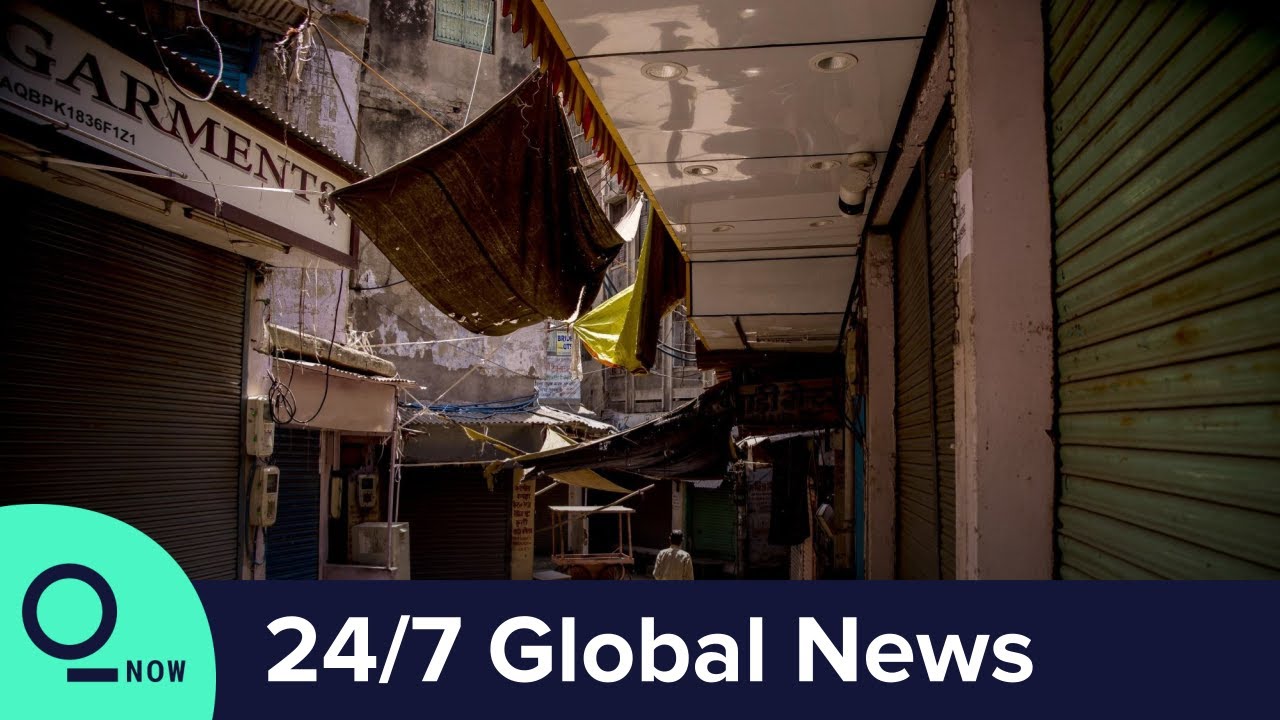
LIVE: Indians Already Ravaged By Virus Now Slammed With Medical Debt | Top News




YouTube Description
as posted by the channel(June 14) Roughly two-thirds of Indians don’t have any health insurance, compounding the problems facing India’s economy as it tries to recover from the shock of a rare contraction last year. Overcrowded government hospitals with long lines and poor facilities prompt people to spend out of pocket for better treatment in the private sector.
While the virus has affected the poor across the globe, the impact can be exponentially greater in countries like India where public spending on health care is among the lowest in the world. The signs of pain are everywhere: Loans against gold and debt defaults are rising while savings, vehicle sales, company profits and government revenues are falling.
There has also been a clear shift in consumer spending from clothes, shoes and personal care goods toward pharmaceuticals, as medication shortages and panic prompted many Indians to sell motorcycles, gold and even their farm animals to pay for life-saving treatment on the black market. The soaring expenses included vials of the antiviral drug remdesivir as well as private ambulances that ferried desperate families scouring for hospital beds and oxygen cylinders.
“This time what we see is the double whammy of health expenses plus loss of livelihood and related food insecurity,” said Dipa Sinha, a professor of economics at Ambedkar University in Delhi. “If people are selling assets that give them livelihood then it impacts future incomes as well.”
Making matters worse, until recently government-approved treatment guidelines included some medicine not recommended by the World Health Organization. Until early June, India Health Ministry’s approved treatment protocol listed remdesivir even though the global health body discouraged use of the drug for Covid-19 in late 2020 after a large international clinical trial showed that it offered negligible protection against death in hospitalized patients.
The government had also recommended other untested therapies such as the anti-malarial drug hydroxychloroquine and Ivermectin, an anti-parasitic treatment. Convalescent plasma therapy remained on the list despite the Indian Council of Medical Research’s own studies finding little benefit.
Officials from the National Health Authority, responsible for implementing country’s flagship public health insurance program, did not respond to multiple requests for comment, nor did a spokesperson for the federal Ministry of Health.
---
Subscribe to our YouTube channel
Bloomberg Quicktake brings you live global news and original shows spanning business, technology, politics and culture. Make sense of the stories changing your business and your world.
To watch complete coverage on Bloomberg Quicktake 24/7, visit or watch on Apple TV, Roku, Samsung Smart TV, Fire TV and Android TV on the Bloomberg app.
Connect with us on…
Breaking News on YouTube
Guests & Subjects Covered
Sentinel Indexing in Progress
Metadata and chapters are available. Claim extraction for this episode is pending.
All video content is delivered via YouTube embedded players in accordance with the YouTube Terms of Service. Sentinel provides research tools that promote discovery and accountability across political media.