
Netanyahu Plots Comeback Even Before New Government Sworn In
June 14, 2021
45,079
503
436
2.08%
Search the Record
IndexedEvery word spoken in this episode is indexed. Type any phrase to jump straight to the moment it was said.
Type any word or phrase that may have been spoken. Click a result to seek the player to that exact moment.
Try a name, a topic, or a quoted line
Bloomberg News Episodes Around June 14, 2021
See what was published immediately before and after this episode.




 3:23Now Playing
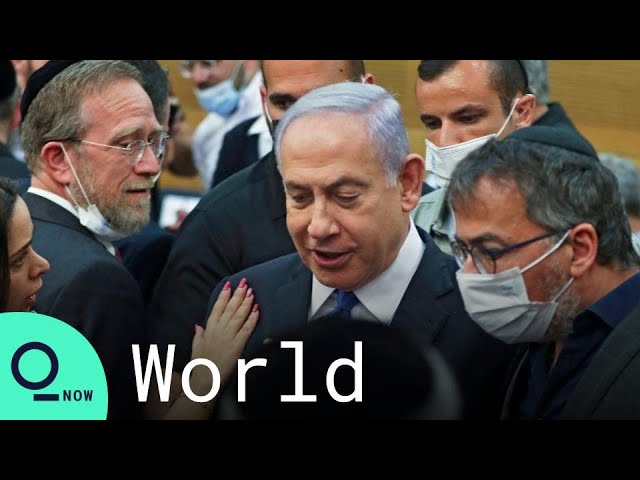
Netanyahu Plots Comeback Even Before New Government Sworn In


YouTube Description
as posted by the channelBenjamin Netanyahu, unseated after a bruising, two-year battle to hold on to his job, is already plotting a comeback.
The once-invincible Israeli leader was voted out of office on Sunday after 12 uninterrupted years in power, replaced by a shaky governing alliance beset by deep internal divisions.
When Netanyahu addressed parliament in his waning moments as prime minister, there were no pro forma well wishes for his successor, religious Jewish nationalist Naftali Bennett, but rather a pointed warning, delivered in his U.S-accented English: “We’ll be back -- soon.”
“If we’re destined to be in the opposition, we will do it with our heads held high until we topple this dangerous government and return to lead the country in our way,” he said in a speech preceding parliament’s vote of confidence in the new government.
The new coalition will govern with the slimmest majorities -- commanding 61 of parliament’s 120 seats -- and runs the gamut of Israeli politics: secular and religious factions, hawks and doves, free marketeers and social democrats, and an Arab party for the first time in Israeli history.
Survival could prove a challenge, given the conflicting ideologies. At the same time, the alliance coalesced around a desire to oust Netanyahu, who’s standing trial on corruption charges -- and that might prove to be the glue that holds it together to block any comeback bid he might make.
The coalition must steer away from issues that divide it and concentrate instead on matters where they can find consensus, such as upgrading infrastructure, and investing in the health system and Israeli Arab communities, said Gideon Rahat, a senior fellow at the Israeli Democracy Institute research center in Jerusalem.
Guests & Subjects Covered
Sentinel Indexing in Progress
Metadata and chapters are available. Claim extraction for this episode is pending.
All video content is delivered via YouTube embedded players in accordance with the YouTube Terms of Service. Sentinel provides research tools that promote discovery and accountability across political media.