
Bloomberg News
@Bloomberg-News·2.8M subscribers·40.1K videos
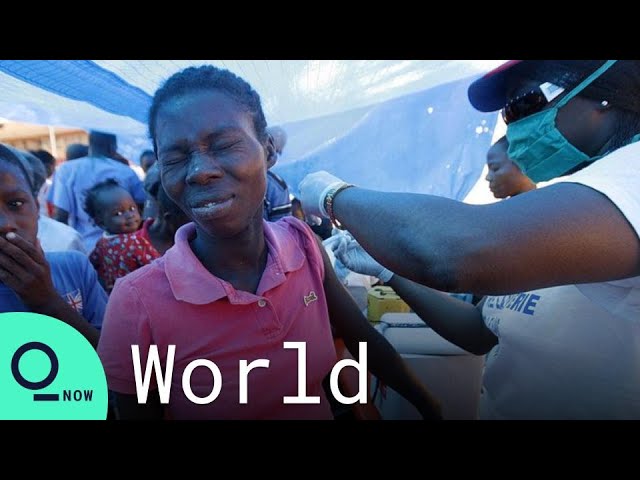
Haitians Eagerly Line Up for Covid-19 Vaccines
Posted
July 28, 2021
Views
16,642
Likes
96
Comments
421
Engagement
3.11%
July 28, 2021
16,642
96
421
3.11%
Every word spoken in this episode is indexed. Type any phrase to jump straight to the moment it was said.
Type any word or phrase that may have been spoken. Click a result to seek the player to that exact moment.
Try a name, a topic, or a quoted line
Episode Timeline
Every episode in order around the one you’re watching — click any card and the page flips straight to it.
 1:58Now Playing
On Tuesday, Haitians headed to clinics as healthcare professionals enter their second week of vaccinating frontline workers and people over the age of 50 with pre-existing conditions against COVID-19.
After months of not having any vaccines in the country, the United States donated 500,000 doses through the U.N.-backed COVAX program, an initiative devised to give countries access to coronavirus vaccines regardless of their wealth.
Rolling out a large-scale vaccination campaign is difficult anywhere in the world, but Haiti's current political turmoil after the assassination of President Jovenel Moise earlier this month and the general atmosphere of insecurity that plagues the country due to gang violence only makes the task even more daunting.
Adding to that are widespread unsubstantiated rumors and misinformation among the population that the vaccines aren't safe. Preliminary results of a UNICEF-supported perception study conducted by the University of Haiti in June, only 22 per cent of all Haitians would accept to be vaccinated.
To counter this, Haiti's Ministry of Health along with UNICEF are conducting a campaign through organized community groups, religious organizations and local media to overcome the general population's hesitancy and help educate them about the benefits of being inoculated.
UNICEF is also assisting with transportation and strengthening the refrigeration available across the Caribbean nation by distributing more than 900 solar fridges to keep the vaccines at their proper temperature.
Haiti has reported 19,876 confirmed cases and 528 deaths as it struggles to fight against COVID-19. The current wave has overburdened the country's already precarious health system and forced many hospitals to turn away patients.
Enold Theirsaint, an 80-year-old resident who was at the St. Damien hospital vaccine staging area said he was there because he has high blood sugar and thought it best to get his jab.
"I am vulnerable as I suffer from high blood sugar but they (Haitian people) don't take this illness seriously."
Subscribe to our YouTube channel
Subscribe to our newest channel Quicktake Explained
Bloomberg Quicktake brings you live global news and original shows spanning business, technology, politics and culture. Make sense of the stories changing your business and your world.
To watch complete coverage on Bloomberg Quicktake 24/7, visit or watch on Apple TV, Roku, Samsung Smart TV, Fire TV and Android TV on the Bloomberg app.
Have a story to tell? Fill out this survey for a chance to have it featured on Bloomberg Quicktake
Connect with us on…
Breaking News on YouTube
Sentinel Indexing in Progress
Metadata and chapters are available. Claim extraction for this episode is pending.
All video content is delivered via YouTube embedded players in accordance with the YouTube Terms of Service. Sentinel provides research tools that promote discovery and accountability across political media.