Bloomberg News
@Bloomberg-News·2.8M subscribers·40.1K videos
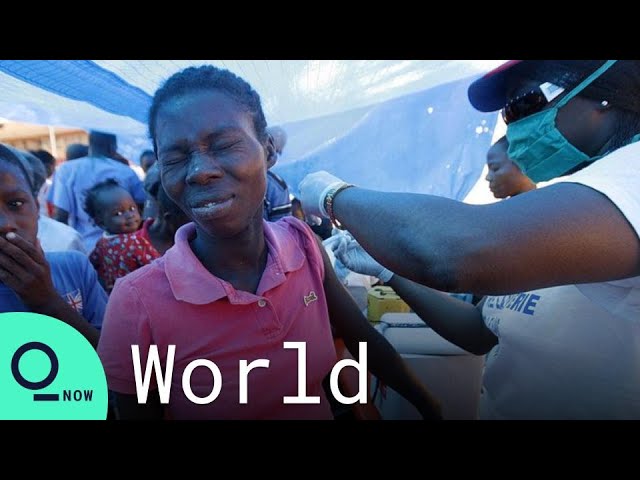
Tanzania Kicks Off Covid-19 Vaccination Campaign
Posted
July 29, 2021
Views
54,583
Likes
257
Comments
899
Engagement
2.12%
July 29, 2021
54,583
257
899
2.12%
Every word spoken in this episode is indexed. Type any phrase to jump straight to the moment it was said.
Type any word or phrase that may have been spoken. Click a result to seek the player to that exact moment.
Try a name, a topic, or a quoted line
Episode Timeline
Every episode in order around the one you’re watching — click any card and the page flips straight to it.
 0:52Now Playing
In a major breakthrough for one of the world's last countries to embrace COVID-19 vaccines, Tanzania’s president kicked off its vaccination campaign Wednesday by publicly receiving a dose and urging others to do the same. But she immediately met some hesitation in one of Africa's most populous nations.
The East African country’s government under former President John Magufuli had long worried health officials by denying the pandemic. Magufuli, who insisted the coronavirus could be defeated with prayer, died in March. The presidency went to his deputy, Samia Suluhu Hassan, who has since changed Tanzania's course on COVID-19.
Hassan, who received the Johnson & Johnson vaccine, expressed confidence in the safety of vaccines and said the country of more than 58 million people will pursue more. The United States on Saturday announced the delivery of more than 1 million doses via the COVAX global initiative aimed at supplying low- and middle-income countries.
Now the Tanzanian government's challenge is to reverse the skepticism the previous administration promoted about COVID-19 vaccines. “Why don’t we consider our traditional solutions? Why do we have to use foreign medicine? Is there something that is hidden here?” asked one resident of commercial capital Dar es Salaam, Kelvin Mmari, who said Wednesday he's not willing to be vaccinated.
Tanzania's president stressed that the vaccine is voluntary, and other citizens welcomed the arrival of doses. “The action by the president to take a new direction in the battle against the coronavirus has brought relief to Tanzanians,” said Dar es Salaam resident Hawa Bihoga.
Tanzania went well over a year without updating its number of confirmed virus cases but has now resumed reporting the data to the Africa Centers for Disease Control and Prevention, which showed 858 cases in the country as of Wednesday.
Critics of Tanzania’s past stance on COVID-19, however, have long warned that many more people have been infected.
The country is trying to catch up as many parts of the African continent face a devastating resurgence of infections. “We are making efforts to ensure that we import more vaccines to meet the demand,” Hassan said.
Tanzania’s president has even pledged to invest in vaccine manufacturing, according to the Africa CDC; the agency’s director, John Nkengasong, met with Hassan on Tuesday. African countries, hit hard by so-called vaccine nationalism as rich nations prioritize doses for their own citizens, are embracing the need to have more control over vaccine production.
Just two African countries still have yet to start COVID-19 vaccinations, Burundi and Eritrea. Burundi, whose late President Pierre Nkurunziza also had been criticized for downplaying the pandemic, has said vaccines aren't needed yet. And Eritrea has long been criticized by human rights groups as one of the world's most closed-off, repressive countries.
Subscribe to our YouTube channel
Subscribe to our newest channel Quicktake Explained
Bloomberg Quicktake brings you live global news and original shows spanning business, technology, politics and culture. Make sense of the stories changing your business and your world.
To watch complete coverage on Bloomberg Quicktake 24/7, visit or watch on Apple TV, Roku, Samsung Smart TV, Fire TV and Android TV on the Bloomberg app.
Have a story to tell? Fill out this survey for a chance to have it featured on Bloomberg Quicktake
Connect with us on…
Breaking News on YouTube
Sentinel Indexing in Progress
Metadata and chapters are available. Claim extraction for this episode is pending.
All video content is delivered via YouTube embedded players in accordance with the YouTube Terms of Service. Sentinel provides research tools that promote discovery and accountability across political media.