Bloomberg News
@Bloomberg-News·2.8M subscribers·40.1K videos
Hong Kong's Next Leader After Carrie Lam Pivotal to City's Direction
Posted
April 5, 2022
Views
1,805
Likes
32
Comments
4
Engagement
April 5, 2022
1,805
32
4
1.99%
Every word spoken in this episode is indexed. Type any phrase to jump straight to the moment it was said.
Type any word or phrase that may have been spoken. Click a result to seek the player to that exact moment.
Try a name, a topic, or a quoted line
See what was published immediately before and after this episode.
 1:33Now Playing
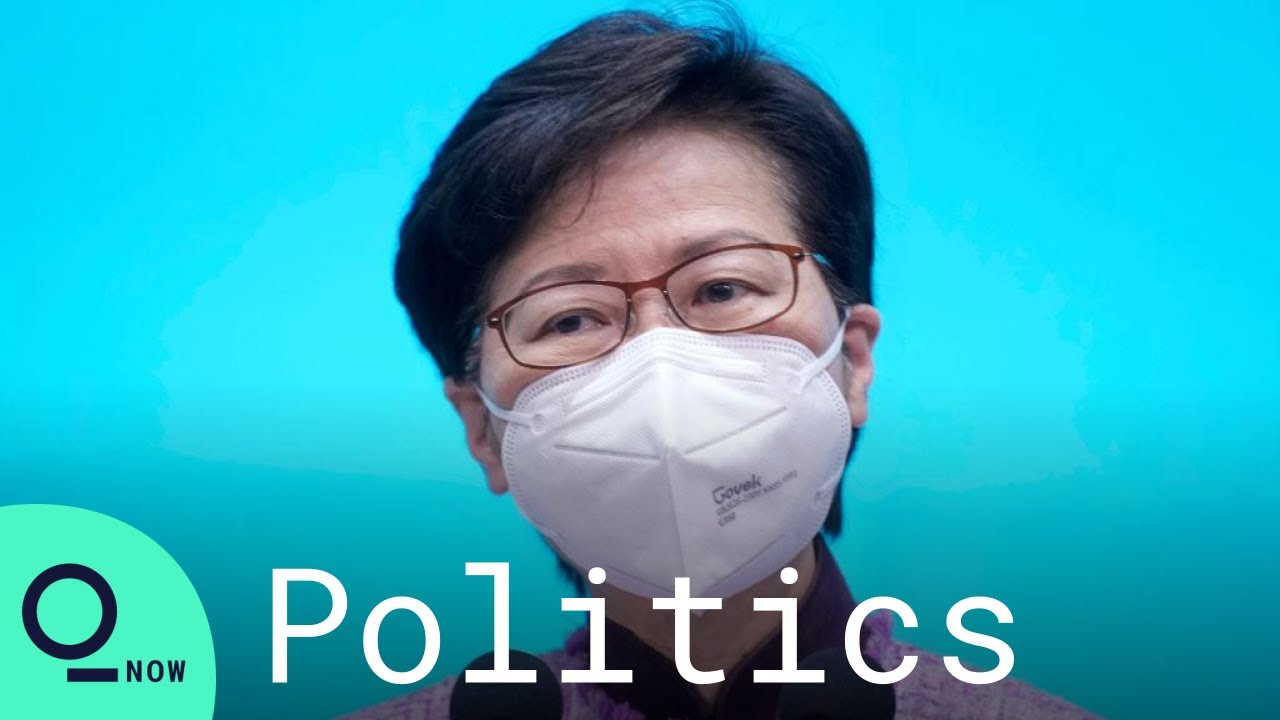
Hong Kong Chief Executive Carrie Lam said she wouldn’t seek a second term, ending a tumultuous tenure that saw China cement control over the once-freewheeling financial hub.
Lam announced her plans at a news briefing, capping a five-year term that was defined by twin crackdowns on the democratic opposition and Covid-19. Beijing took unprecedented steps to intervene in the affairs of the former British colony during her time in office, imposing policies that raised questions about Hong Kong’s future as “Asia’s world city” and contributed to the largest population drop in at least six decades.
“As I’ve always said, my family takes precedence over everything and they all think it’s time for me to return to family,” Lam said, explaining her decision. “This is what I have told the central people’s government and they have expressed understanding.”
The U.S. sanctioned Lam for her role in helping China quash pro-democracy protests in 2019 that saw hundreds of thousands take to the streets. She later drew scorn from international businesses over one of the world’s strictest hotel quarantine policies.
That made Lam, who once promised to “unite our society,” the least popular Hong Kong chief executive since the U.K. handed the city back in 1997, according to Hong Kong Public Opinion Research Institute. Her successor will take office July 1, the halfway mark in Beijing’s 50-year pledge to preserve the city’s liberal financial and political systems. No chief executive has so far managed to complete two full terms.
Would-be contenders for Lam’s job have two weeks to step forward to compete in the May 8 vote of some 1,500 mostly Beijing loyalists. Lam on Monday declined to comment on reports that her No. 2 official, John Lee, was preparing to run, saying she hadn’t received the resignation notice that government officials must file to seek higher office.
Lee, a former top police official and security minister, helped oversee the clampdown on the city’s opposition.
“It is a real concern that Hong Kong could become a police state,” said Alfred Wu, associate professor specializing in Hong Kong politics at the National University of Singapore’s Lee Kuan Yew School of Public Policy, saying that Lee would be the “ideal candidate” for that task. “Beijing wants Hong Kong to politically and structurally better align itself with the realities of how China operates: controlling its people through big data, and mass monitoring,” he added.
Lam had for a time appeared to have weathered the chaos of 2019, with Xi Jinping telling her in a televised address that year that his government “fully recognized the courage and responsibility” she demonstrated. Still, Xi’s government twice overrode Hong Kong’s legislative system to hand sweeping constitutional changes under her watch.
That included a national security law that’s been used to jail scores of opposition leaders and shutter several pro-democracy news outlets. China also overhauled the city’s Legislative Council to ensure only “patriots” who “respect” the Communist Party can serve.
When Covid-19 emerged, Lam’s adherence to the mainland’s Covid Zero strategy brought the city even closer to Beijing, as she prioritized opening the mainland border over international links. Eventually, the more contagious omicron variant broke through Hong Kong’s defenses, resulting the developed world’s highest death rate per capita.
By February, Xi was calling on Lam’s government to take “all necessary measures” to get the virus under control, an unusually direct intervention that cast new doubt on her political future. Lam subsequently invoked emergency powers to postpone the election for her job that had been planned for March 27.
Subscribe to our YouTube channel
Subscribe to our newest channel Quicktake Explained
Bloomberg Quicktake brings you live global news and original shows spanning business, technology, politics and culture. Make sense of the stories changing your business and your world.
To watch complete coverage on Bloomberg Quicktake 24/7, visit or watch on Apple TV, Roku, Samsung Smart TV, Fire TV and Android TV on the Bloomberg app.
Have a story to tell? Fill out this survey for a chance to have it featured on Bloomberg Quicktake
Connect with us on…
Breaking News on YouTube
Sentinel Indexing in Progress
Metadata and chapters are available. Claim extraction for this episode is pending.
All video content is delivered via YouTube embedded players in accordance with the YouTube Terms of Service. Sentinel provides research tools that promote discovery and accountability across political media.