Bloomberg News
@Bloomberg-News·2.8M subscribers·40.1K videos
Trump's Tariffs: How They Work and Who Pays
Posted
February 8, 2025
Views
6,679
Likes
140
Comments
17
Engagement
2.35%
February 8, 2025
6,679
140
17
2.35%
Every word spoken in this episode is indexed. Type any phrase to jump straight to the moment it was said.
Type any word or phrase that may have been spoken. Click a result to seek the player to that exact moment.
Try a name, a topic, or a quoted line
 1:00Now Playing
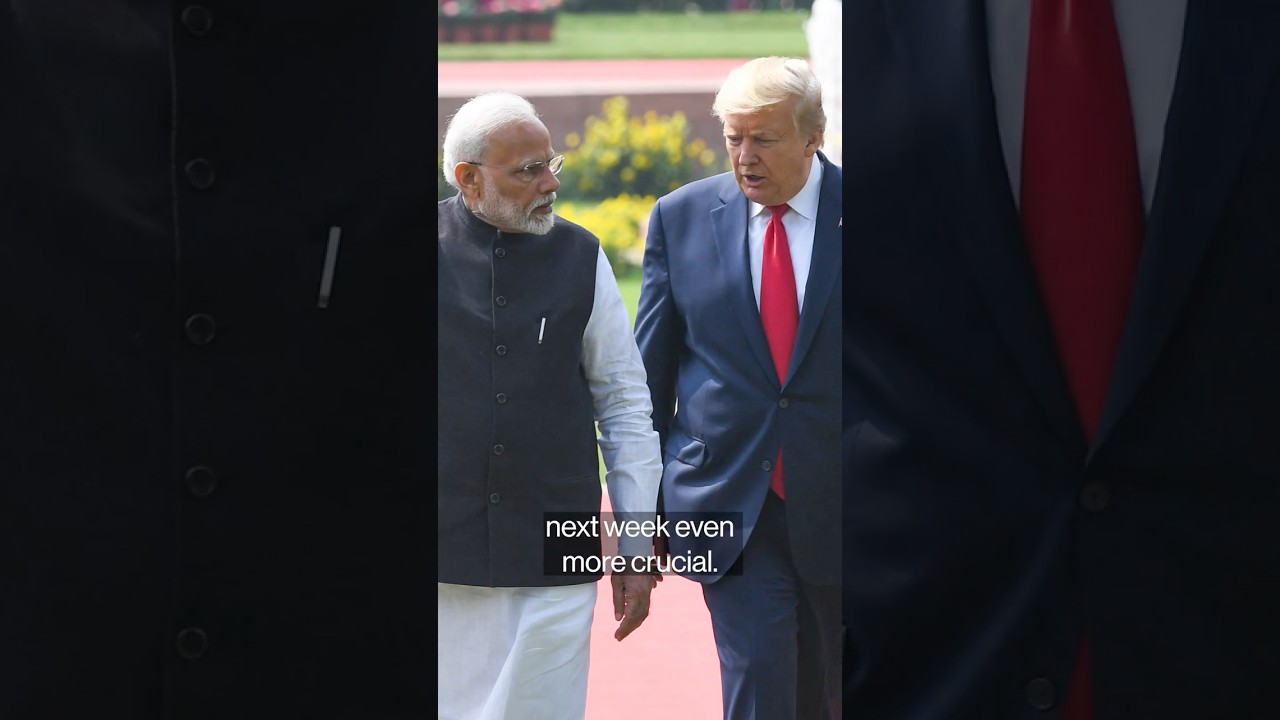
US President Donald Trump has rattled economies and markets with his promise of imposing punitive tariffs on the nation’s largest trade partners. So far he’s implemented 10% levies on China; delayed plans to hit Mexico and Canada with a 25% duty tax; and indicated that he’s coming for the European Union next. Yet beyond all that noise, tariffs have on-the-ground implications. Here’s how they work — from who actually pays to how the revenue is collected.
Tariffs are taxes imposed on imported goods. Like all taxes, they are a source of government revenue. Countries have long relied on them to support local industries by making foreign products more expensive. Trump is using them as leverage to achieve foreign policy goals, too. That was the case with the planned levies on Mexico and Canada imports: Trump agreed to postpone them until March 1 after the two US neighbors agreed to take tougher measures to combat migration and drug trafficking at the border.
--------
Subscribe to our YouTube channel
Subscribe to Bloomberg Originals
Bloomberg Quicktake brings you global social video spanning business, technology, politics and culture. Make sense of the stories changing your business and your world.
Connect with us on…
Breaking News on YouTube
Sentinel Indexing in Progress
Metadata and chapters are available. Claim extraction for this episode is pending.
All video content is delivered via YouTube embedded players in accordance with the YouTube Terms of Service. Sentinel provides research tools that promote discovery and accountability across political media.