Bloomberg Podcasts
@bloombergpodcasts·503K subscribers·32.4K videos
Trump's Tariff Will Slow Economy and Consumer Spending: Warwick McKibbin
Posted
April 22, 2025
Views
3,536
Likes
54
Comments
10
Engagement
April 22, 2025
3,536
54
10
1.81%
Every word spoken in this episode is indexed. Type any phrase to jump straight to the moment it was said.
Type any word or phrase that may have been spoken. Click a result to seek the player to that exact moment.
Try a name, a topic, or a quoted line
 4:36Now Playing
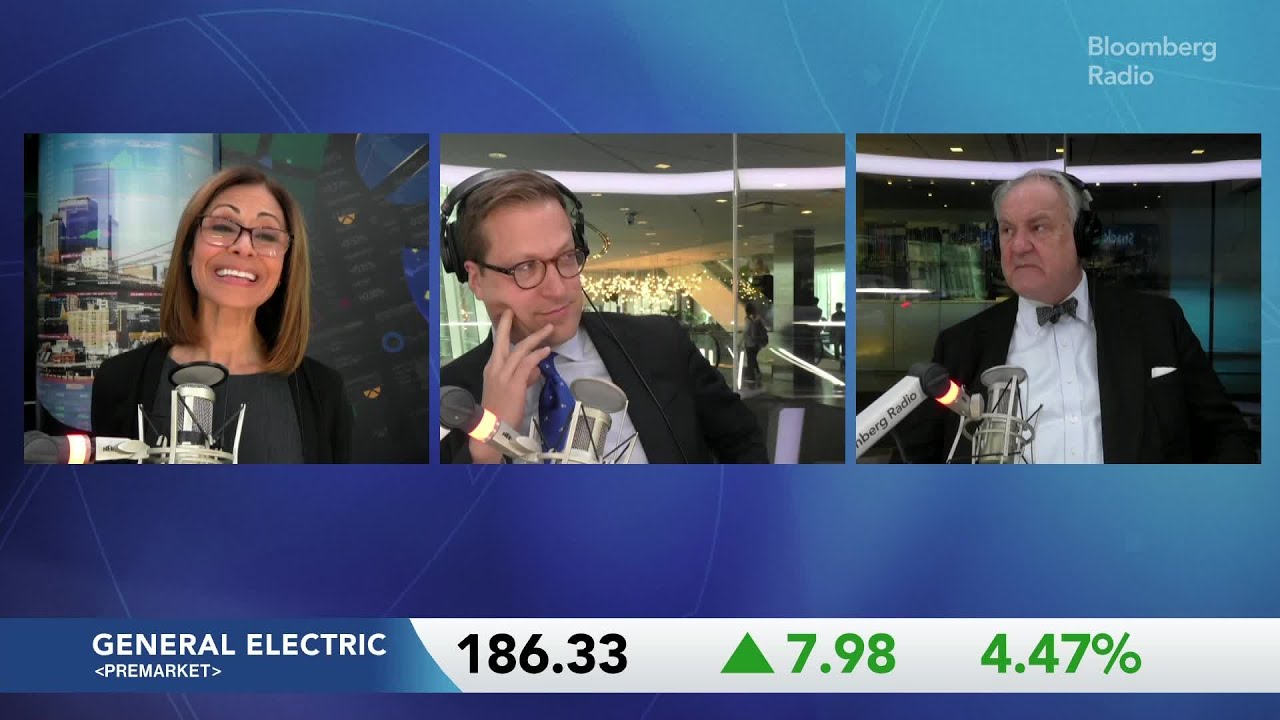
Warwick McKibbin, non-resident Senior Fellow at the Peterson Institute for International Economics, talks about his piece from the fall outlining the costs of Trump's tariff and deportation policies as well as his analysis from today on the US revenue implications of Trump's tariff plan. He speaks with Bloomberg's Tom Keene and David Gura.
Take historic steps, expect historic reactions, Bloomberg Economics says in its latest analysis of the global economic impact from Trump’s tariff program.
Trump has often said he thinks trade deals will be made with US partners — this week, he again said he wants a deal with the European Union, for example — but there’s been no specific indication compromises are on the verge of being reached. The US president has also suggested he’s fine with the welter of tariffs he’s proposed, as major federal revenue earners.
Incorporating Trump’s April 2 “Liberation Day” levies, most of which are currently on a 90-day pause, the BE team, including Scott Johnson and led by Tom Orlik, has lowered its 2025 GDP forecast to 2.7% from 3.1% for the world as a whole. Assuming the bulk of tariffs remain in place, the team expects growth to remain low next year, at 2.8%.
IIn all, the tariff hikes “will shave about $2 trillion off global output by the end of 2027, relative to a scenario where border taxes had stayed unchanged,” the economists says.
“Policy uncertainty (it’s still not clear where tariffs will settle) and modeling uncertainty (the shocks have no precedent in the post World War II data) mean the error band around that forecast is wide,” the economists highlighted.
Looking just at the US, the new import duties “act like a massive tax hike,” and indicate growth for this year will come in at a 0.6% rate, measured comparing the fourth quarter to the fourth quarter of 2024. That’s down from a previously projected 1.9%.
Since the turn of the century, the only worse years for growth performance than that were during deep recessions — the quick one in 2020 and the prolonged one in 2008 and 2009. It’s even worse, by that GDP measure, than 2001, amid the dot-com downturn.
Compared with many on Wall Street, the BE team doesn’t see quite as bad as an inflationary bump for the US from the tariffs — with the Fed’s preferred core PCE gauge rising 3% this year instead of the 2.6% envisioned before the tariff program. Corporate profit margins will shrink, helping to mitigate the wallop to households, the group says.
Much as Fed Chair Jerome Powell indicated last week, growth risks are tilted “to the downside,” and inflation ones to the upside, the team wrote. The outlook incorporates just one Fed rate cut, in the final quarter of 2025.
--------
Watch Bloomberg Radio LIVE on YouTube
Weekdays 7am-6pm ET
Follow us on X
Subscribe to our Podcasts:
Bloomberg Daybreak
Bloomberg Surveillance
Bloomberg Intelligence
Balance of Power
Bloomberg Businessweek
Listen on Apple CarPlay and Android Auto with the Bloomberg Business app:
Apple CarPlay
Android Auto
Visit our YouTube channels:
Bloomberg Podcasts
Bloomberg Television
Bloomberg Originals
Sentinel Indexing in Progress
Metadata and chapters are available. Claim extraction for this episode is pending.
All video content is delivered via YouTube embedded players in accordance with the YouTube Terms of Service. Sentinel provides research tools that promote discovery and accountability across political media.