Bloomberg Podcasts
@bloombergpodcasts·503K subscribers·32.4K videos
Trump, Warren Both Slam Debt Limit
Posted
June 4, 2025
Views
2,352
Likes
21
Comments
6
Engagement
1.15%
June 4, 2025
2,352
21
6
1.15%
Every word spoken in this episode is indexed. Type any phrase to jump straight to the moment it was said.
Type any word or phrase that may have been spoken. Click a result to seek the player to that exact moment.
Try a name, a topic, or a quoted line
See what was published immediately before and after this episode.
 7:31Now Playing
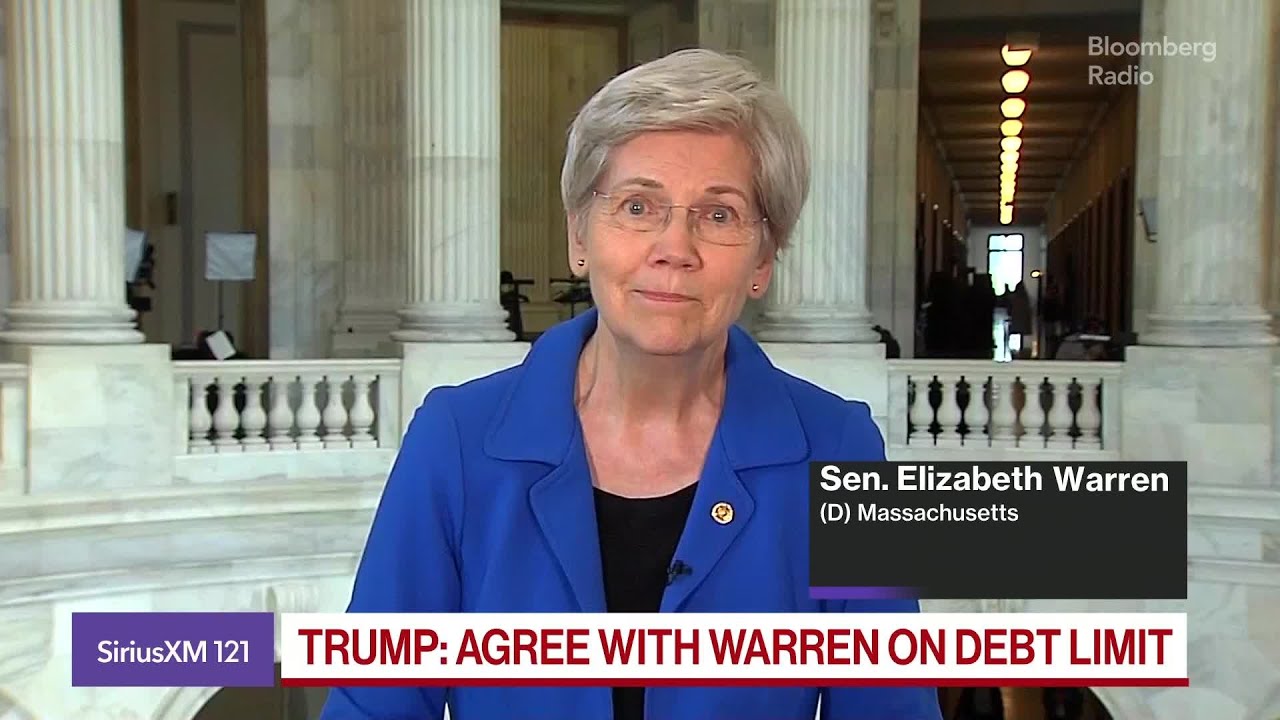
Senator Elizabeth Warren (D-MA) reacts to President Trump's Truth Social post agreeing with her argument that the US should get rid of the debt limit entirely.
The House-passed version of President Donald Trump’s tax and spending bill would add $2.42 trillion to US budget deficits over the next decade, according to a new estimate from the nonpartisan Congressional Budget Office.
The CBO’s calculation, released Wednesday in its so-called scoring of the “One Big Beautiful Bill,” reflects a $3.67 trillion decrease in expected revenues and a $1.25 trillion decline in spending over the decade through 2034, relative to baseline projections. The score doesn’t account for any potential boost to the economy from the bill, which could offset some of the revenue losses.
Prospects for an even more dire US fiscal trajectory threaten to stoke concerns about the bill among GOP fiscal hawks. Trump ally Elon Musk on Tuesday blasted the package as a “massive, outrageous, pork-filled Congressional spending bill is a disgusting abomination.”
House Republicans narrowly passed the bill last month, and it now faces opposition in the Senate, where multiple lawmakers have expressed varying demands for changes. Trump is expected to meet with Senate Finance Committee Republicans Wednesday to discuss the bill.
Trump administration officials have repeatedly dismissed CBO projections as inaccurate, saying they fail to account for the uplift to economic growth that the tax cuts, along with tariff hikes and deregulation, will provide. Treasury Secretary Scott Bessent said last month, “I’m not worried about the US debt dynamics,” because a swelling GDP will ease the burden. He also predicted “north of 3%” growth by this time next year.
The CBO’s $2.42 trillion deficit-increase estimate doesn’t incorporate any so-called dynamic effects from changes in economic growth or other indicators resulting from the new tax and spending measures.
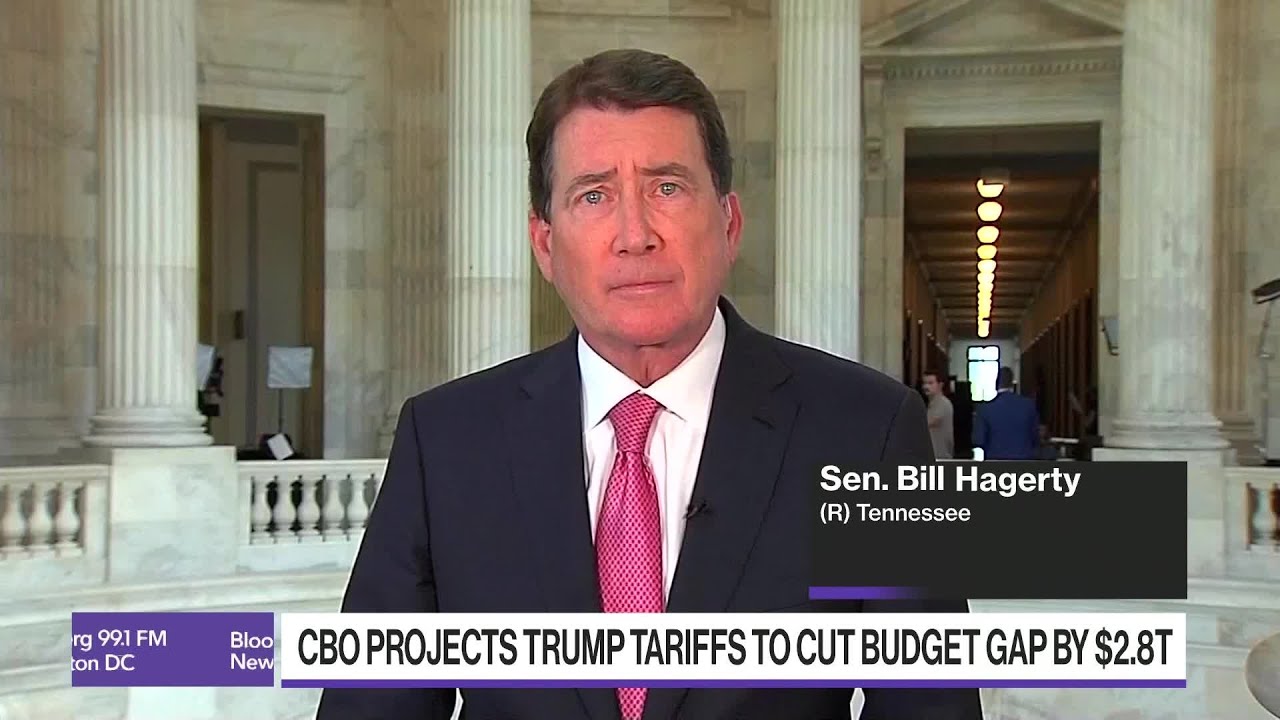
Trump and his economic team also argue that the US will be collecting hundreds of billions of dollars a year from new, higher tariff levels. The CBO, in a separate estimate Wednesday, said tariff hikes implemented by May 13 could reduce federal deficits by $2.8 trillion over the next decade, after accounting for the economic impacts.
However, a lot of uncertainty remains around the duties, as the Trump administration continues to negotiate with trading partners and could make changes. CBO Director Phillip Swagel also cautioned that “because the United States has implemented no increases in tariffs of this size in many decades, there is little relevant empirical evidence on their effects.”
--------
Watch Bloomberg Radio LIVE on YouTube
Weekdays 7am-6pm ET
Follow us on X
Subscribe to our Podcasts:
Bloomberg Daybreak
Bloomberg Surveillance
Bloomberg Intelligence
Balance of Power
Bloomberg Businessweek
Listen on Apple CarPlay and Android Auto with the Bloomberg Business app:
Apple CarPlay
Android Auto
Visit our YouTube channels:
Bloomberg Podcasts
Bloomberg Television
Bloomberg Originals
Sentinel Indexing in Progress
Metadata and chapters are available. Claim extraction for this episode is pending.
All video content is delivered via YouTube embedded players in accordance with the YouTube Terms of Service. Sentinel provides research tools that promote discovery and accountability across political media.