Bloomberg Podcasts
@bloombergpodcasts·503K subscribers·32.4K videos
Trump Solidifies Intel Stake, Signals More Deals to Come
Posted
August 25, 2025
Views
2,398
Likes
32
Comments
9
Engagement
August 25, 2025
2,398
32
9
1.71%
Every word spoken in this episode is indexed. Type any phrase to jump straight to the moment it was said.
Type any word or phrase that may have been spoken. Click a result to seek the player to that exact moment.
Try a name, a topic, or a quoted line
See what was published immediately before and after this episode.
 7:38Now Playing
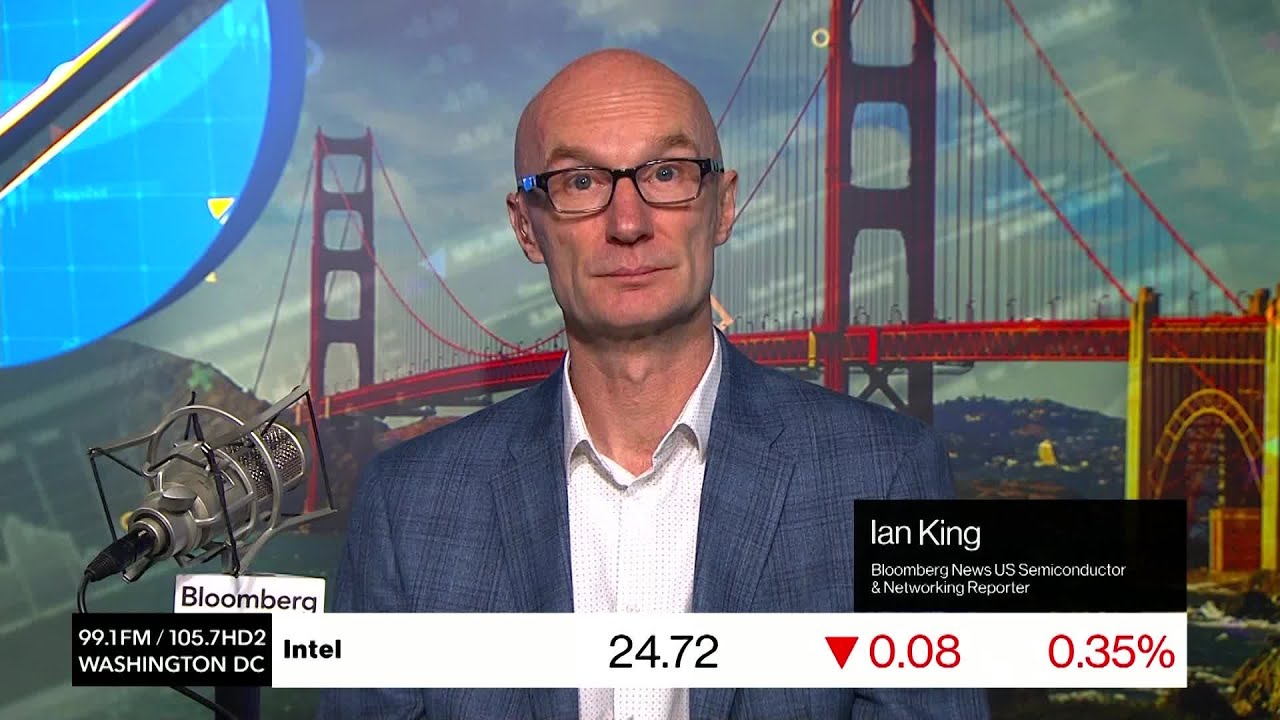
Bloomberg's Ian King breaks down the new deal between chipmaker Intel and the Trump administration and what hangs in the balance as Nvidia prepares to report earnings.
President Donald Trump sealed a deal that gives the US government a nearly 10% stake in Intel Corp., part of an unconventional bid to reinvigorate the beleaguered company and boost domestic chip manufacturing.
Under the agreement, the US will receive 433.3 million shares of common stock — representing 9.9% of the fully diluted common shares in Intel — according to a statement from the company. The $8.9 billion investment will be funded by grants from the US Chips and Science Act and Secure Enclave program that had previously been extended but not yet paid, Intel said, confirming a report by Bloomberg News.
Together with the $2.2 billion in Chips Act money that Intel already received, the investment totaled $11.1 billion. The government will be a passive owner, with no board seat or other governance or information rights, Intel said.
“We are grateful for the confidence the president and the administration have placed in Intel, and we look forward to working to advance US technology and manufacturing leadership,” Intel Chief Executive Officer Lip-Bu Tan said in the statement.
Intel shares rose 5.5% to $24.80 at the close in New York on Friday. They slipped about 1% in choppy postmarket trading after the deal was finalized.
In a social media post, Trump described the transaction as a “great Deal for America and, also, a great Deal for INTEL.”
“Building leading edge Semiconductors and Chips, which is what INTEL does, is fundamental to the future of our Nation,” he said.
The US taking partial ownership marks a stunning level of intervention in an American company, cutting against the principles of free-market capitalism that investors and policymakers have long considered sacrosanct except in the most extraordinary situations, such as war or a systemic economic crisis.
The administration considers it an extraordinary and unique situation — and sees semiconductor production as a matter of national security, a White House official said. Intel is one of a small number of American companies capable of making chips at scale on domestic soil, the official said, and the administration looks to avoid shortages like those in recent years that rattled US supply chains.
Though the administration telegraphed its intentions with Intel in recent weeks, the move creates untold risks that could distort markets and the flow of capital as well as lead to massive taxpayer losses. But the government’s bet could also pay off in a major way for a onetime industry pioneer. Intel has faced a turbulent stretch with investors worried it is losing its technological edge and falling too far behind competitors.
The approach represents a new way for Trump to wield Chips Act funding, after long assailing the law signed by his predecessor, former President Joe Biden. Trump has said the law’s subsidies for semiconductor manufacturers didn’t provide any return for US taxpayers. Intel was already poised to be the biggest beneficiary of money from the Chips Act.
As part of the pact, the government will receive a five-year warrant — at $20 per share for an additional 5% of common stock — that’s only exercisable if Intel ceases to own at least 51% of its chip-manufacturing business. PJT Partners served as Intel’s financial adviser on the transaction.
Santa Clara, California-based Intel touted its more than $100 billion effort to expand manufacturing in the US and its new factory in Arizona, which is set to begin high-volume production this year. But it didn’t discuss a facility planned for Ohio that has been repeatedly delayed.
The deal represents a dramatic reversal from earlier this month, when Trump called for Tan’s ouster and accused him of being “highly conflicted” because of concerns over his earlier ties to China. Those remarks prompted the sit-down between the president and the Intel CEO, laying the groundwork for Friday’s deal.
--------
Watch Bloomberg Radio LIVE on YouTube
Weekdays 7am-6pm ET
Follow us on X
Subscribe to our Podcasts:
Bloomberg Daybreak
Bloomberg Surveillance
Bloomberg Intelligence
Balance of Power
Bloomberg Businessweek
Listen on Apple CarPlay and Android Auto with the Bloomberg Business app:
Apple CarPlay
Android Auto
Visit our YouTube channels:
Bloomberg Podcasts
Bloomberg Television
Bloomberg Originals
Sentinel Indexing in Progress
Metadata and chapters are available. Claim extraction for this episode is pending.
All video content is delivered via YouTube embedded players in accordance with the YouTube Terms of Service. Sentinel provides research tools that promote discovery and accountability across political media.