Bloomberg Podcasts
@bloombergpodcasts·503K subscribers·32.4K videos
US Antimony Shares Surge As Critical Minerals Take Center Stage for President Trump
Posted
October 20, 2025
Views
8,938
Likes
100
Comments
19
Engagement
October 20, 2025
8,938
100
19
1.33%
Every word spoken in this episode is indexed. Type any phrase to jump straight to the moment it was said.
Type any word or phrase that may have been spoken. Click a result to seek the player to that exact moment.
Try a name, a topic, or a quoted line
 7:14Now Playing
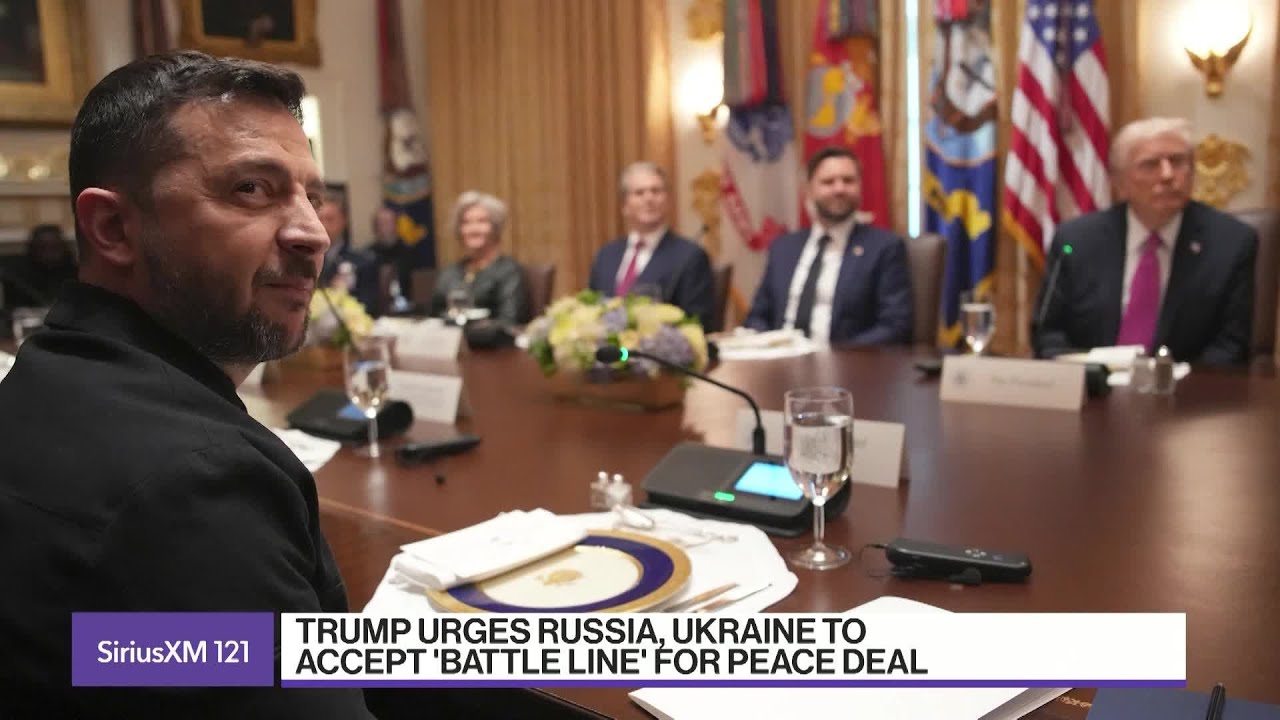
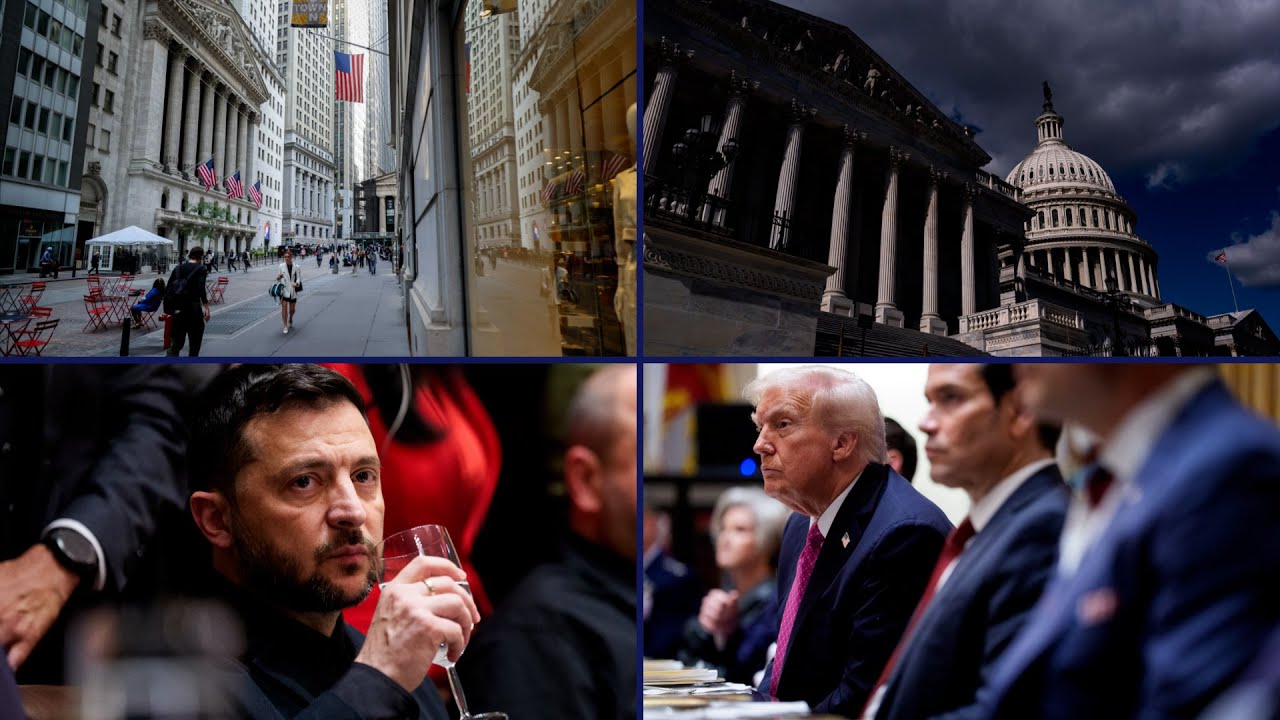
US President Donald Trump signed a landmark pact with visiting Australian Prime Minister Anthony Albanese to boost America’s access to rare earths and other critical minerals, an effort to counter China’s tight grip on the supply chains of key metals.
The two governments will jointly invest in a swathe of mines and processing projects in Australia to boost production of commodities used in advanced technologies from electric vehicles to semiconductors and fighter planes. Australia has an $8.5 billion “pipeline that we have ready to go,” Albanese said at a meeting between the two leaders at the White House.
“In about a year from now, we’ll have so much critical mineral and rare earths that you won’t know what to do with them,” Trump said.
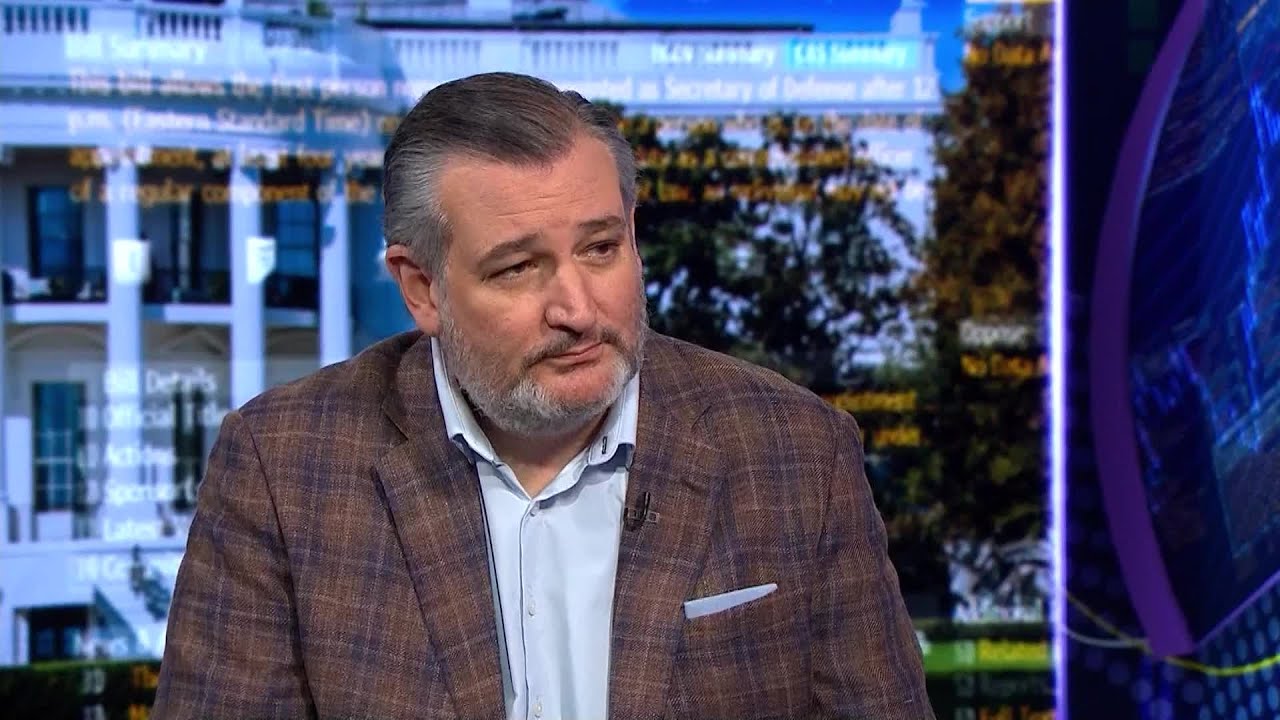
The US has been locked in a rare-earths tussle with China since Beijing fought back against Trump’s trade offensive earlier this year, imposing export curbs on the materials. It has since expanded those restrictions. The prospect of even tighter supply has injected momentum into an American push to build alternative production capacity, even as industry executives and analysts caution that replacing a vast network of mines and refining plants will not be swift.. William Blair analyst Neal Dingmann sees this movement as a positive sign for several rare earth companies, including United States Antimony Corp., whom he sees as a possible target for a potential government stake. Shares of the company are up over 500% year to date. Chairman and CEO Gary Evans joined Carol Massar and Tim Stenovec on 'Bloomberg Businessweek Daily' to discuss the possibility of a government stake, and the company's purchase of copper and gold producer Larvotto Resources.
The leaders said the agreement would include Australian processing of rare earths and other critical minerals, with Albanese adding that Australia had “capacity” to expand those efforts. The US and Australia pledged to protect their domestic markets from “unfair trade practices,” including through adopting trading standards that involve “price floors or similar measures,” according to the text of the deal circulated by Albanese’s office.
“This is the most significant bilateral minerals cooperation we have seen between two major Western countries,” Gracelin Baskaran, a critical minerals-focused director at the Center for Strategic and International Studies said by phone. “Today’s announcement really shows the US isn’t trying to address critical minerals alone. It’s looking to find the right partners.”
The deal, which prompted a surge in Australian rare earths and critical minerals stocks on Tuesday, will begin with the US and Australia each paying more than $1 billion over the next six months for initial projects, with some further projects in both countries, the Australian prime minister said. The document did not include details on which entities would provide that financing.
Rare earths are a subset of critical minerals, a wider group of core materials which in the US includes dozens of metals. Even before the recent export controls, China had already put restrictions on supplies of vital inputs including gallium, germanium and antimony.
The Pentagon will help fund the construction of the planned 100 ton-a-year Alcoa-Sojitz gallium refinery in Western Australia as part of the deal, according to the White House. The Export-Import Bank of the United States is also issuing letters of interest for more than $2.2 billion in financing on critical mineral projects.
The sitdown, Albanese’s first White House visit since Trump returned to power, comes as the Australian leader looks to shore up ties with the US, using his nation’s mineral wealth as leverage. China’s rare-earth export restrictions have rattled economies across the globe, with US Treasury Secretary Scott Bessent saying last week that allies — including Australia — are in talks about a united response.
--------
Watch Bloomberg Radio LIVE on YouTube
Weekdays 7am-6pm ET
Follow us on X
Subscribe to our Podcasts:
Bloomberg Daybreak
Bloomberg Surveillance
Bloomberg Intelligence
Balance of Power
Bloomberg Businessweek
Listen on Apple CarPlay and Android Auto with the Bloomberg Business app:
Apple CarPlay
Android Auto
Visit our YouTube channels:
Bloomberg Podcasts
Bloomberg Television
Bloomberg Originals
Sentinel Indexing in Progress
Metadata and chapters are available. Claim extraction for this episode is pending.
All video content is delivered via YouTube embedded players in accordance with the YouTube Terms of Service. Sentinel provides research tools that promote discovery and accountability across political media.