
Bloomberg Podcasts
@bloombergpodcasts·503K subscribers·32.4K videos
Sustained Inflation Reshapes Japan Consumer Behavior
Posted
November 7, 2025
Views
865
Likes
13
Comments
1
Engagement
1.62%
November 7, 2025
865
13
1
1.62%
Every word spoken in this episode is indexed. Type any phrase to jump straight to the moment it was said.
Type any word or phrase that may have been spoken. Click a result to seek the player to that exact moment.
Try a name, a topic, or a quoted line
See what was published immediately before and after this episode.
 7:07Now Playing
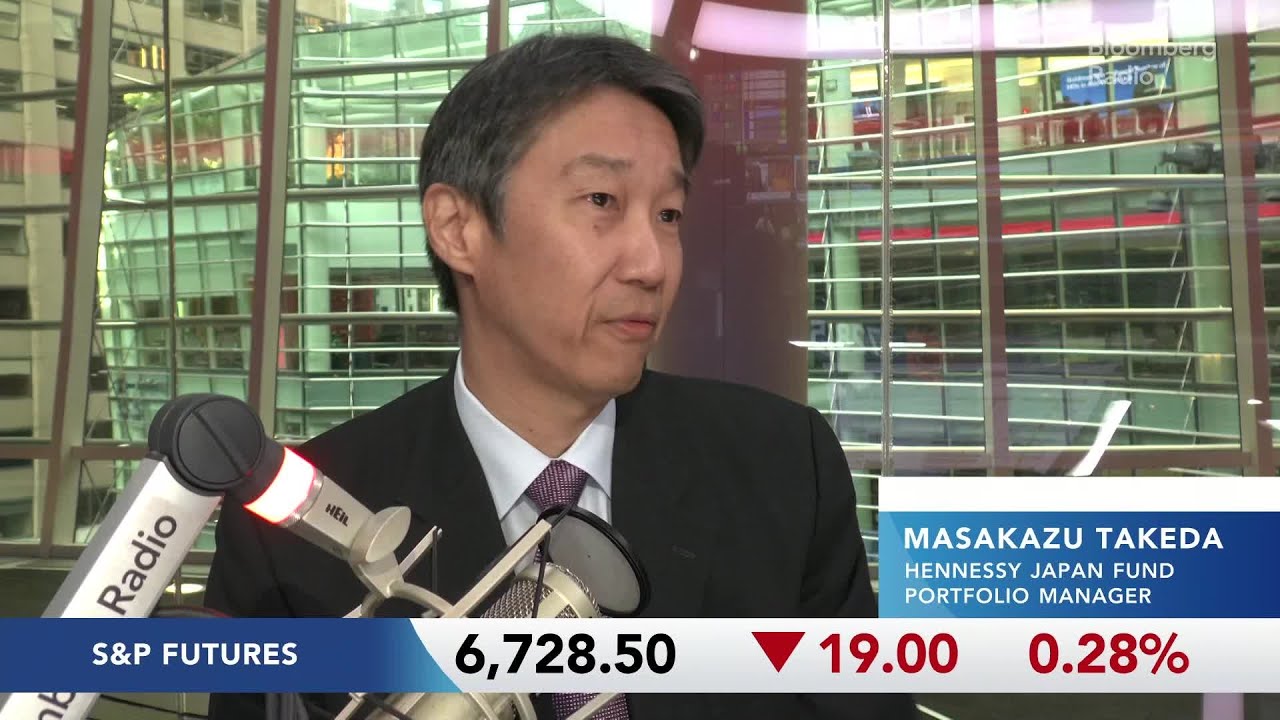
Masa Takeda, Portfolio Manager at the Hennessy Japan Fund, explains why Japan’s reform momentum and inbound investment make it a compelling market story.
Japanese Prime Minister Sanae Takaichi signaled her determination to ramp up the active use of fiscal policy to power economic growth by dropping an annual budget-balancing goal that favors financial orthodoxy.
Speaking in the lower house of parliament Friday, Takaichi said the government’s long-held target of achieving a primary balance surplus will no longer be reviewed on a single-year basis. The primary balance refers to the difference between government spending and revenue after factoring out debt-servicing.
“I’d like to take a slightly longer-term view of how I will manage finances from now on,” Takaichi said, referring to multi-year budgets in addition to her previous comments favoring an overall net debt goal that factors in the strength of the nation’s assets too. “It’s fair to think that economic policy has changed.”
The comments are the latest signal of a change of direction in economic policy under way in Japan following Takaichi’s rise to the position of premier. Earlier in the day the premier made her latest appointment of a high-profile reflationist adviser to a government panel. It’s a policy shift that investors are closely scrutinizing to assess its likely impact on the nation’s longer-term debt dynamics.
Following Takaichi’s comments in parliament, the yen weakened against the dollar in afternoon trading Friday.
While most economists don’t expect the kind of burst of spending that led to former UK Prime Minister Liz Truss’s downfall, many of them expect the nation’s finances to come under greater strain. They are also closely watching Takaichi’s stance on the Bank of Japan, given that last year she called hiking rates a “stupid” idea.
“Takaichi is trying to show a strong resolve to be different from previous ministers, but what she can really do is unclear,” said Toru Suehiro, chief economist at Daiwa Securities. “The idea of a multi-year budget has been around even when Kishida was prime minister, so it’s not completely new.”
Still, Takaichi appears determined to shift fiscal policy back toward support for the economy, harking back to a more reflationary policy platform along the lines of her mentor, Shinzo Abe. The former premier’s namesake policies dominated Japan’s political agenda for nearly a decade. Takaichi said earlier Friday that under Abenomics the economy had made progress before losing momentum during the Covid-19 pandemic.
The Finance Ministry has long seen the goal of balancing the books outside debt-servicing costs as a cornerstone of its efforts to convince investors at home and abroad that the government is committed to fiscal discipline despite its massive national debt. Compared against the size of its economy, Japan’s debt load of around 230% is the highest among developed economies, according to International Monetary Fund data.
Takaichi is refocusing attention to the nation’s much lower net debt to GDP figure as the yardstick for fiscal discipline. The gauge puts the country’s debt load at 130%, the IMF data show. She said she aims to achieve nominal growth that exceeds yields on Japanese government bonds.
--------
Watch Bloomberg Radio LIVE on YouTube
Weekdays 7am-6pm ET
Follow us on X
Subscribe to our Podcasts:
Bloomberg Daybreak
Bloomberg Surveillance
Bloomberg Intelligence
Balance of Power
Bloomberg Businessweek
Listen on Apple CarPlay and Android Auto with the Bloomberg Business app:
Apple CarPlay
Android Auto
Visit our YouTube channels:
Bloomberg Podcasts
Bloomberg Television
Bloomberg Originals
Sentinel Indexing in Progress
Metadata and chapters are available. Claim extraction for this episode is pending.
All video content is delivered via YouTube embedded players in accordance with the YouTube Terms of Service. Sentinel provides research tools that promote discovery and accountability across political media.