Bloomberg Podcasts
@bloombergpodcasts·503K subscribers·32.4K videos
Trump Tariff Campaign Has Options Beyond a Supreme Court Ruling
Posted
November 7, 2025
Views
59,210
Likes
387
Comments
128
Engagement
November 7, 2025
59,210
387
128
0.87%
Every word spoken in this episode is indexed. Type any phrase to jump straight to the moment it was said.
Type any word or phrase that may have been spoken. Click a result to seek the player to that exact moment.
Try a name, a topic, or a quoted line
See what was published immediately before and after this episode.
 4:01Now Playing
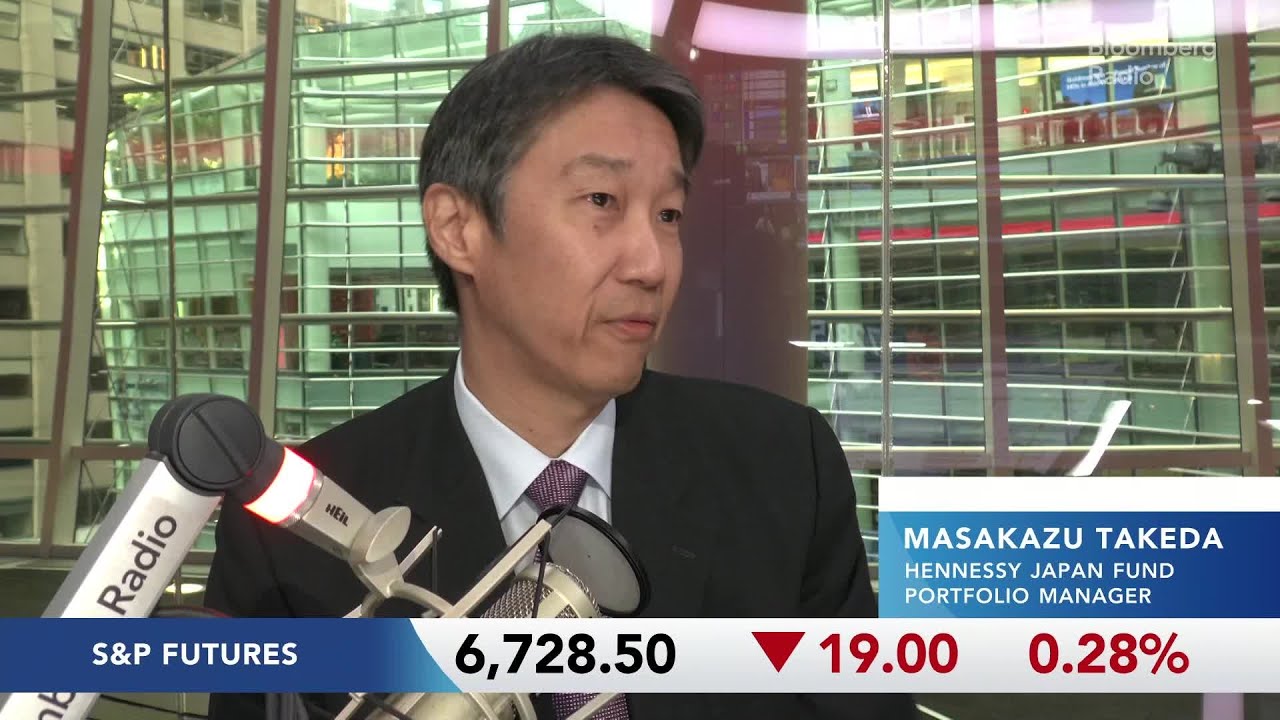
Ryan Majerus, Partner: International Trade Team at King & Spalding LLP and former Assistant General Counsel at the Office of the U.S. Trade Representative discusses Supreme Court skepticism over presidential tariff powers under IEEPA.
The future of much of President Donald Trump’s tariff campaign rests in the hands of the US Supreme Court, which will decide whether he can use an emergency law that had previously never been wielded to impose import taxes.
Lower courts have already ruled that Trump exceeded his authority by invoking the 1977 International Emergency Economic Powers Act to justify his sweeping “reciprocal” duties targeting America’s trading partners, as well as separate levies aimed at China, Canada and Mexico. The rulings were in separate cases — one covering challenges by the Democratic attorneys general from 12 states and a group of small businesses, and another filed by two family-owned toy companies.
The IEEPA tariffs have remained in effect as the legal proceedings continue and the Supreme Court is set to hear oral arguments on the consolidated cases on Nov. 5. If the country’s top court concurs that these duties are unlawful, large swathes of the levies Trump has imposed so far in his second term could come undone and leave the government on the hook for tens of billions of dollars in refunds.
Still, there are other means by which his tariffs policy could continue. While the Constitution gives Congress the power to levy taxes and duties, lawmakers have delegated some of their authority to the executive branch through a number of statutes. These laws give Trump at least five fallback options to impose tariffs in different ways.
In general, these alternatives come with more limits and procedural restrictions, meaning there’s less leeway for Trump to impose tariffs virtually immediately and set the rates as high as he chooses.
“The difference between them is how much process they require,” said Ted Murphy, co-leader of the global arbitration, trade and advocacy practice at law firm Sidley Austin. “Why they chose IEEPA, I think in part, was because it comes with no required process. It’s a determination that the president can make on his or her own initiative: There’s no hearing, there’s no report, there’s no nothing.”
--------
Watch Bloomberg Radio LIVE on YouTube
Weekdays 7am-6pm ET
Follow us on X
Subscribe to our Podcasts:
Bloomberg Daybreak
Bloomberg Surveillance
Bloomberg Intelligence
Balance of Power
Bloomberg Businessweek
Listen on Apple CarPlay and Android Auto with the Bloomberg Business app:
Apple CarPlay
Android Auto
Visit our YouTube channels:
Bloomberg Podcasts
Bloomberg Television
Bloomberg Originals
Sentinel Indexing in Progress
Metadata and chapters are available. Claim extraction for this episode is pending.
All video content is delivered via YouTube embedded players in accordance with the YouTube Terms of Service. Sentinel provides research tools that promote discovery and accountability across political media.