Bloomberg Podcasts
@bloombergpodcasts·503K subscribers·32.4K videos
Family Offices Increasingly Looking to Next Generation
Posted
December 2, 2025
Views
1,351
Likes
26
Comments
1
Engagement
December 2, 2025
1,351
26
1
2.00%
Every word spoken in this episode is indexed. Type any phrase to jump straight to the moment it was said.
Type any word or phrase that may have been spoken. Click a result to seek the player to that exact moment.
Try a name, a topic, or a quoted line
 5:20Now Playing
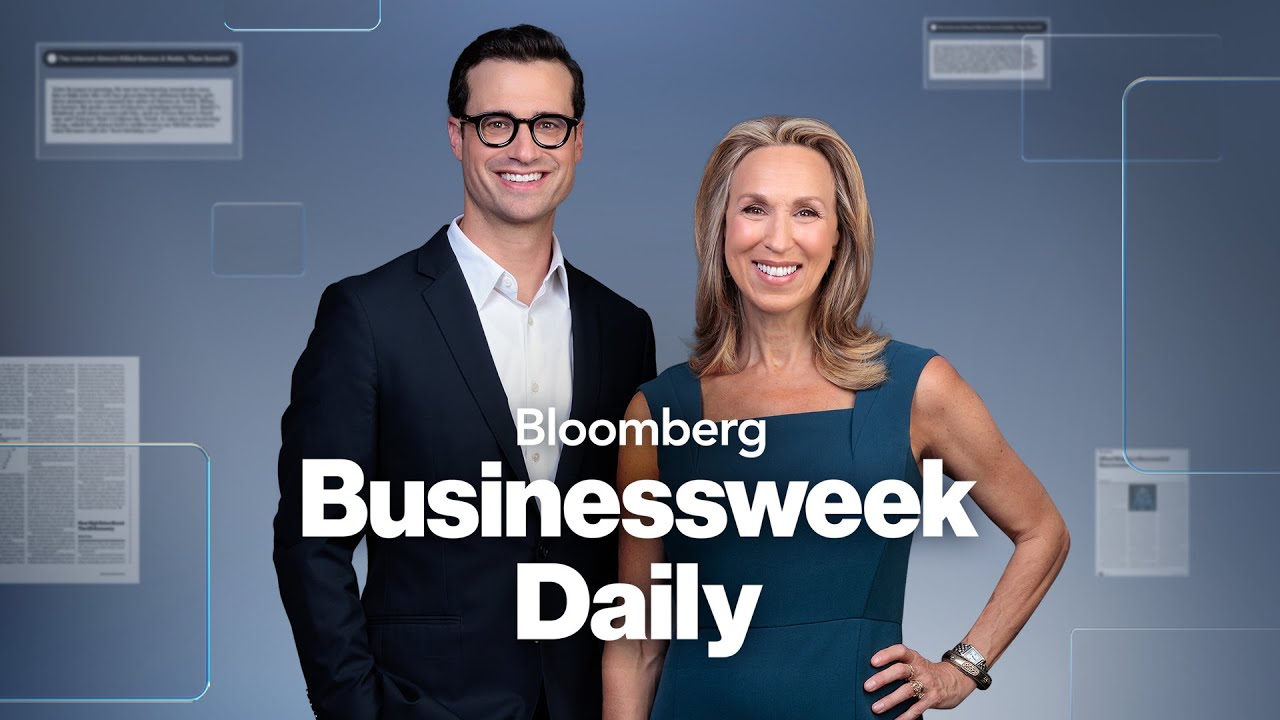
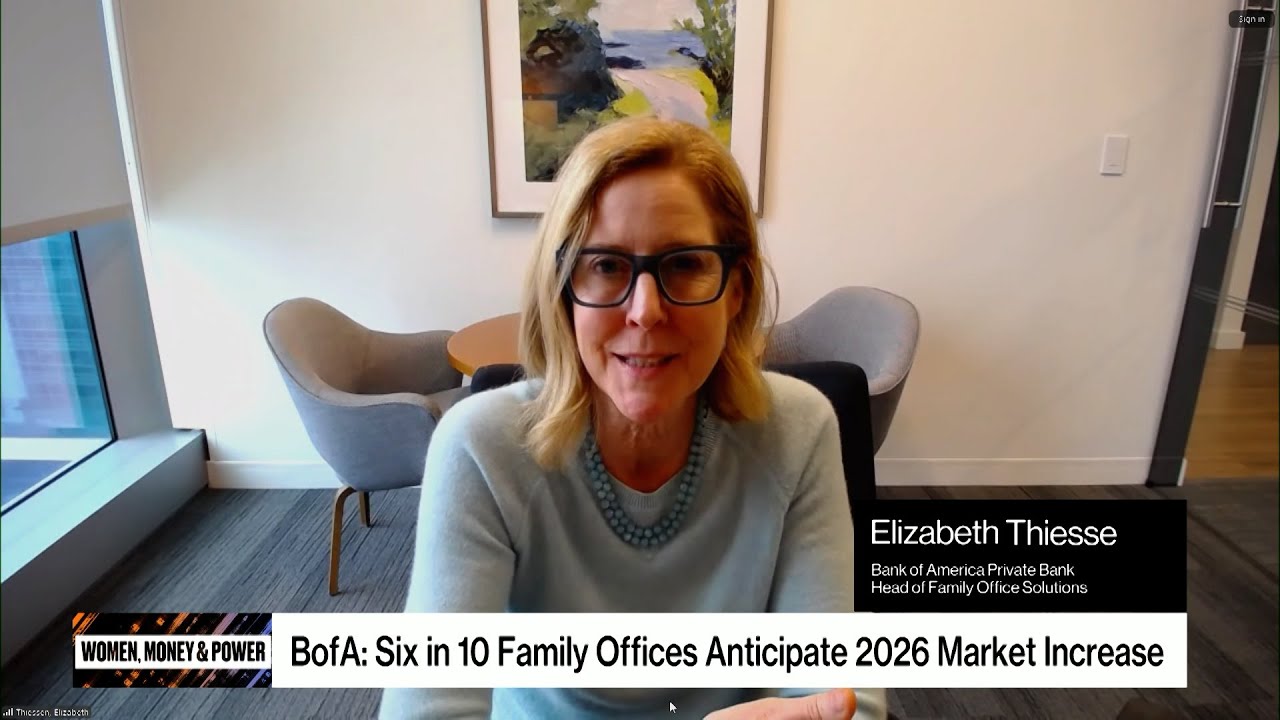
Bank of America Private Bank Head of Family Office Solutions Elizabeth Thiessen believes that the widespread wealth transfer that is occurring across the US is also affecting family offices, as a majority are beginning to think about a new generation and era of investing with an "increased focus on philanthropy and a definite increase use of technology." She joined Carol Massar and Tim Stenovec on 'Bloomberg Businessweek Daily' to break down the evolution of family office investing.
In the chaos that followed the Communist takeover of China in 1949, 24-year-old Frank Tsao stood before a contemptuous British ship broker and asked to buy a coal-fueled clunker. The eldest son of a once-wealthy Shanghainese family, his clan had lost everything except the gold they could stitch into their clothes. Now he was expected to lead the non-existent business.
From that first ship used to trade smuggled goods (the Ebonol was later sunk by a sea mine while running a blockade),1 Tsao became one of Asia’s best-known shipping tycoons by the 1970s. Toward the end of his life, he struggled with the perennial questions of the super-rich: How would he leave his wealth behind? And how could he prevent his heirs from destroying themselves over it?
The solution Tsao and his clan eventually reached — establishing their own family office, a firm dedicated to managing everything from a family’s investments and charity to its household staff — has become one of the hottest sectors of global finance. In most jurisdictions, a family office faces the same licensing requirements as an individual with a checking account, making them one of the most idiosyncratic and least regulated groups of investors in the world. In 2024, consultancy firm Deloitte estimated there were 8,030 single family offices managing $3.1 trillion, a 31% rise in just five years.
As post-colonial super-wealth in the Middle East and Asia prepares to shift to a new generation, trillions of dollars are set to flow into these vehicles. But new riches bring new problems. With the rise of family office scammers, the proliferation of biased service providers and the general air of mystery on the subject, it can be hard to know how one actually operates and what the best practices are.
Speaking to the most established families and top experts on the subject, what emerges is a picture less about ticking boxes and more about refereeing the fragile alliances, rivalries, values and egos that come with great fortunes.
--------
Watch Bloomberg Radio LIVE on YouTube
Weekdays 7am-6pm ET
Follow us on X
Subscribe to our Podcasts:
Bloomberg Daybreak
Bloomberg Surveillance
Bloomberg Intelligence
Balance of Power
Bloomberg Businessweek
Listen on Apple CarPlay and Android Auto with the Bloomberg Business app:
Apple CarPlay
Android Auto
Visit our YouTube channels:
Bloomberg Podcasts
Bloomberg Television
Bloomberg Originals
Sentinel Indexing in Progress
Metadata and chapters are available. Claim extraction for this episode is pending.
All video content is delivered via YouTube embedded players in accordance with the YouTube Terms of Service. Sentinel provides research tools that promote discovery and accountability across political media.