
AI Momentum, Global Fragmentation to Drive Investor Focus in 2026
January 16, 2026
477
5
1.05%
Search the Record
IndexedEvery word spoken in this episode is indexed. Type any phrase to jump straight to the moment it was said.
Type any word or phrase that may have been spoken. Click a result to seek the player to that exact moment.
Try a name, a topic, or a quoted line
Bloomberg Podcasts Episodes Around January 16, 2026
See what was published immediately before and after this episode.




 4:18Now Playing
AI Momentum, Global Fragmentation to Drive Investor Focus in 2026


YouTube Description
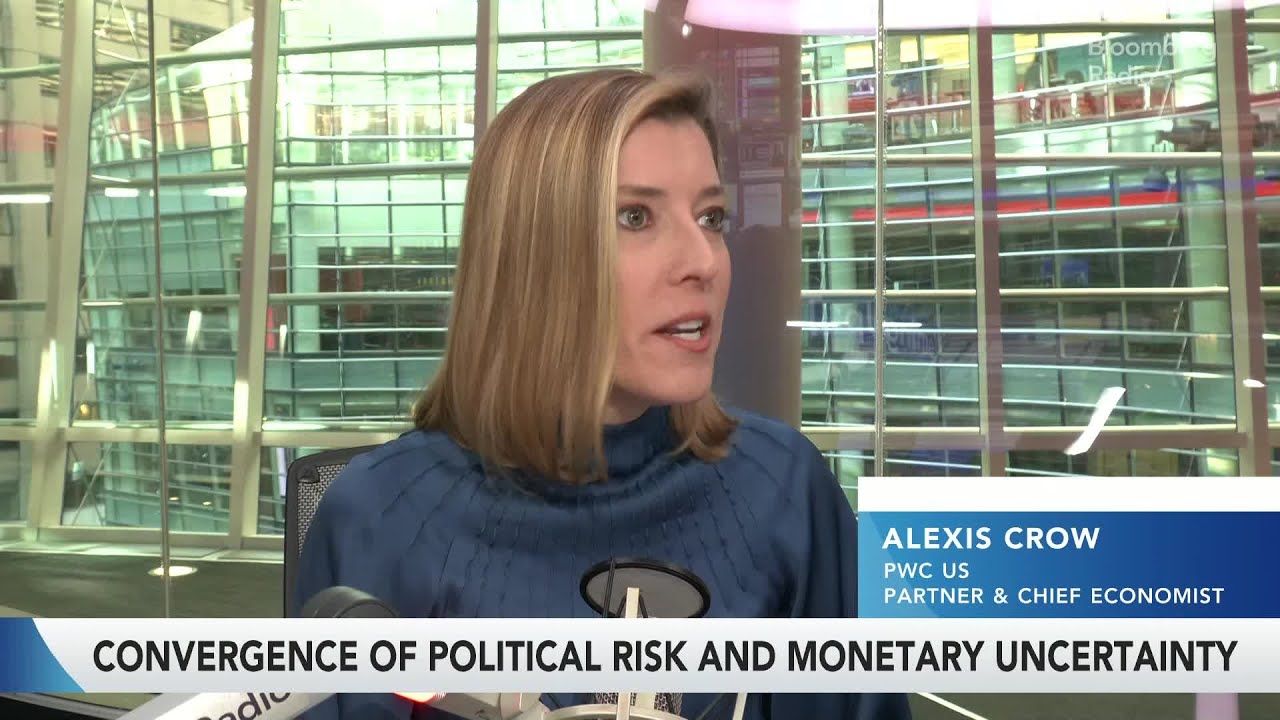
as posted by the channelStephen Parker, Co-Head of Global Investment Strategy at JPMorgan Private Bank, discusses the markets and how AI fragmentation and inflation are defining investor strategy.
Some of the world’s largest technology companies extended their rebound in the final stretch of a week that saw a rush to smaller firms that tend to benefit the most in a scenario of economic resilience.
Despite the bounce in chipmakers amid bets on the sustainability of the artificial-intelligence trade, the S&P 500 struggled to gain much traction on Friday and was heading toward a weekly decline. Small caps kept rising, with the Russell 2000 beating the S&P 500 for an 11th straight session.
The fast-paced rally in small caps, sidelined for much of last year, has been fueled by a combination of falling interest rates and economic growth — dual tailwinds that many on Wall Street see as likely to propel the riskier group to market leading gains. So far this year, the Russell 2000 is up about 8% compared with a 1.5% gain for the S&P 500.
Going back to 1979, there are five other instances in which the small-cap gauge opened a lead of at least 500 basis points over the US equity benchmark in the first month of the year, according to Bloomberg Intelligence’s Michael Casper and Nathaniel Welnhofer.
The small-cap index kept its lead in four of those calendar years, BI said. The only exception was 2021, when unprofitable Russell 2000 companies were in a bubble. Though the S&P 500 closed some of the gap in three of those years, the Russell 2000 still ended with an average gain of 22.6% across all five instances.
“The favorable macroeconomic environment, characterized by contained inflation and accelerating growth, allows markets to withstand geopolitical tensions and continue their upward trajectory despite uncertainties,” said Florian Ielpo at Lombard Odier Asset Management.
Production at US factories unexpectedly increased in December and the prior month was revised higher, suggesting manufacturers gained some footing at the end of the year. This year, producers may find more favorable conditions in the wake of incentives for capital expenditures, diminished uncertainty about tariffs and lower financing rates.
--------
Watch Bloomberg Radio LIVE on YouTube
Weekdays 7am-6pm ET
Follow us on X
Subscribe to our Podcasts:
Bloomberg Daybreak
Bloomberg Surveillance
Bloomberg Intelligence
Balance of Power
Bloomberg Businessweek
Listen on Apple CarPlay and Android Auto with the Bloomberg Business app:
Apple CarPlay
Android Auto
Visit our YouTube channels:
Bloomberg Podcasts
Bloomberg Television
Bloomberg Originals
Guests & Subjects Covered
Sentinel Indexing in Progress
Metadata and chapters are available. Claim extraction for this episode is pending.
All video content is delivered via YouTube embedded players in accordance with the YouTube Terms of Service. Sentinel provides research tools that promote discovery and accountability across political media.