Bloomberg Podcasts
@bloombergpodcasts·503K subscribers·32.4K videos
Trump’s 10% Levy Takes Effect as US Rebuilds Tariff Wall
Posted
February 24, 2026
Views
29,897
Likes
203
Comments
97
Engagement
February 24, 2026
29,897
203
97
1.00%
Every word spoken in this episode is indexed. Type any phrase to jump straight to the moment it was said.
Type any word or phrase that may have been spoken. Click a result to seek the player to that exact moment.
Try a name, a topic, or a quoted line
 12:16Now Playing
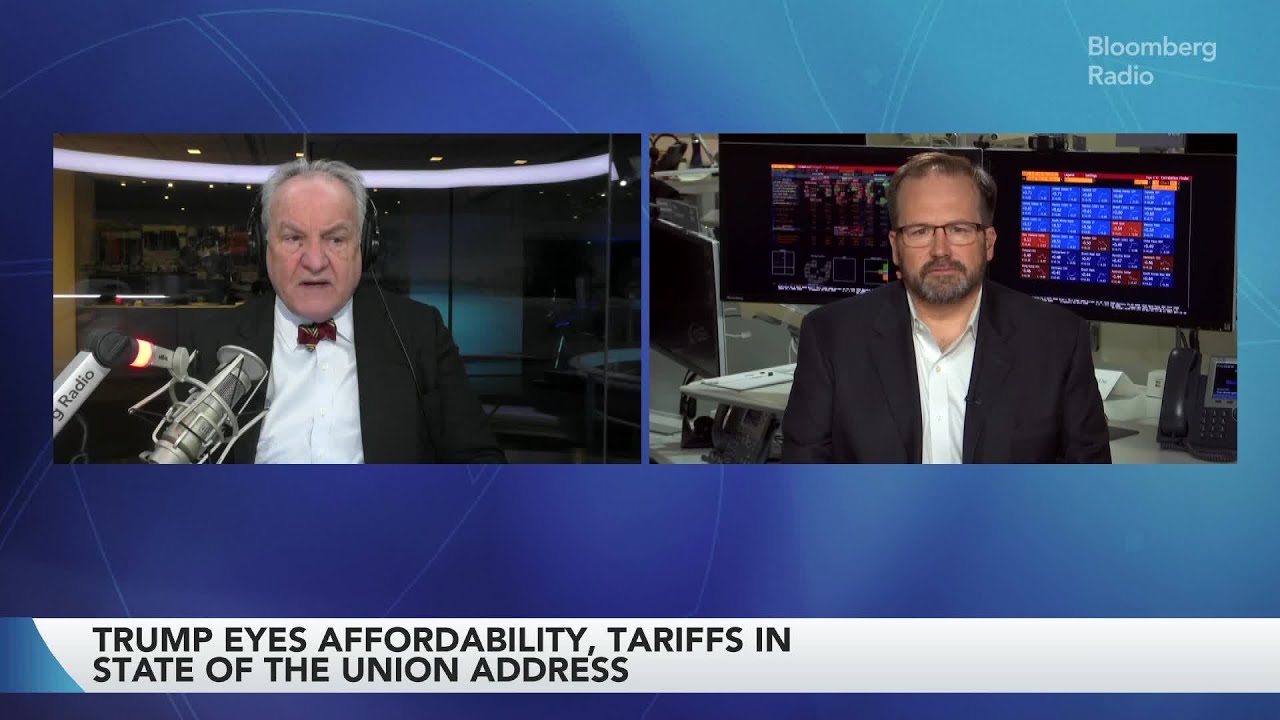
Douglas Irwin, Professor of Economics at Dartmouth College, examines the implications of the Supreme Court's ruling on IEEPA tariffs and Trump's latest move for a 10% global tariff.
Donald Trump’s new 10% global tariffs went into effect on Tuesday, kicking off a White House effort to preserve the president’s trade agenda after the Supreme Court struck down his original sweeping duties.
The president signed an executive order last Friday authorizing the 10% import tax just hours after the ruling. He subsequently threatened to raise the number to 15%, but Trump did not officially issue a directive to increase the rate by Tuesday at 12:01 a.m. Washington time when the 10% levy went into effect.
The White House is working on a formal order that will increase the global tariff rate to 15%, according to an administration official. The timeline for implementing that higher levy has not been finalized, said the official, who spoke on the condition of anonymity to discuss private matters.
The lack of clarity from Washington has spawned confusion around the globe about Trump’s tariff agenda. Countries and corporations are poring over existing trade agreements to determine how they’d fare under Trump’s latest threats. Major trading partners, including the European Union and India, have abruptly halted ongoing trade negotiations amid the uncertainty.
Trump is applying the 10% baseline levy under Section 122 of the 1974 Trade Act, which allows the president to impose the charge for 150 days without congressional approval. He turned to this approach after the court ruled he violated an emergency-powers law by using it to enact his so-called “reciprocal” tariffs on goods from countries worldwide.
The order preserved some exemptions, including for goods compliant with the North American trade pact between the US, Canada and Mexico as well as an exception for some agricultural goods that existed under Trump’s invalidated levies.
The average effective US tariff rate will settle around 10.2% including those exemptions, down from 13.6% before the court decision, according to a Bloomberg Economics analysis. Under a 15% global levy, that effective rate would be about 12%, according to the study. What are Trump’s options beyond IEEPA?
Hours after the Supreme Court issued its decision, Trump signed a proclamation invoking Section 122 of the Trade Act of 1974 to impose a flat 10% levy on foreign goods for 150 days, starting Feb. 24. He has threatened to raise the rate to 15%.
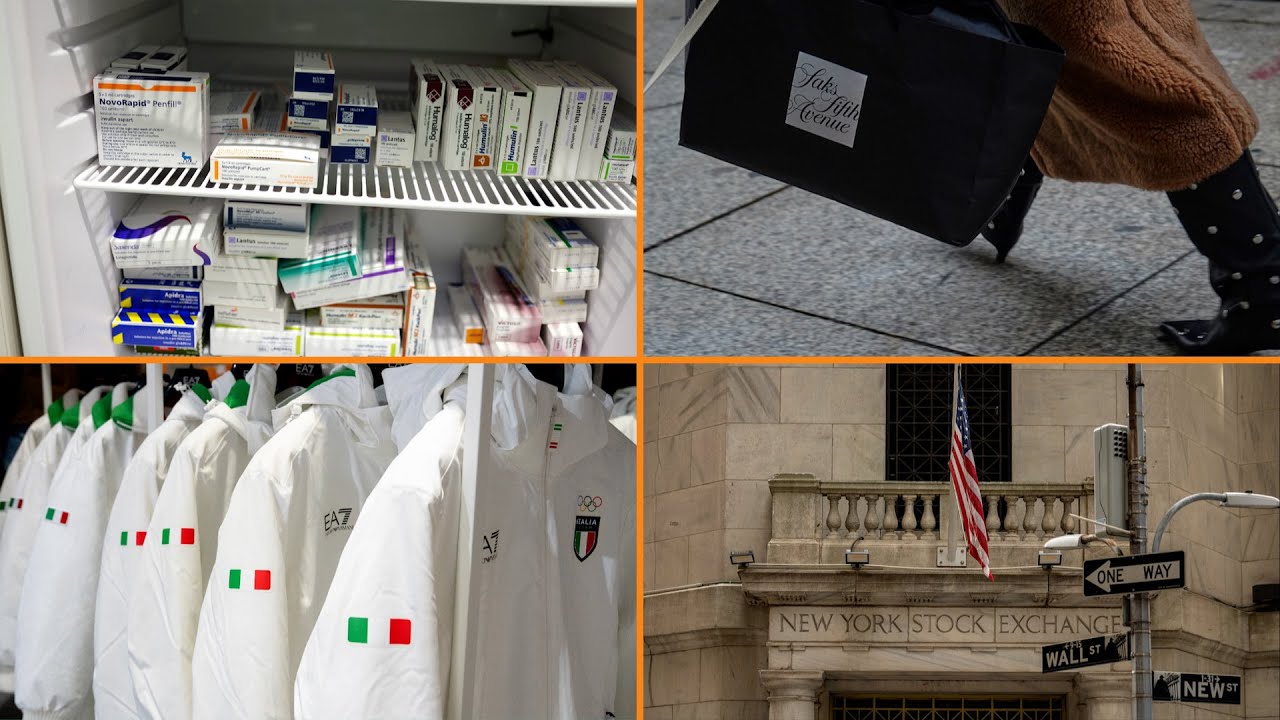
There are a number of exemptions to the new 10% duty, including goods subject to separate import taxes justified on national security grounds — so-called Section 232 tariffs — products such as pharmaceuticals, automobiles and certain critical minerals, and goods covered under the USMCA trade deal between the US, Canada and Mexico.
Trump also said he would order new trade investigations with the aim of enacting more permanent tariffs. Section 122 is one of at least five fallback legal options the president can use to impose tariffs in different ways. In general, these alternatives come with limits and procedural restrictions that Trump sought to avoid by using IEEPA as the basis for his tariffs, meaning there’s less leeway for him to impose the levies virtually immediately and set the rates as high as he chooses. Section 122 of the Trade Act of 1974
What it permits:
Section 122 gives the president the ability to impose tariffs to address “fundamental international payments problems.” He doesn’t need to wait for a federal agency to conduct an investigation before he can implement the tariffs.
Limitations:
The conditions for using Section 122 powers are to remedy “large and serious” US balance-of-payments deficits, to help correct an international balance-of-payments disequilibrium, or to prevent an “imminent and significant” depreciation of the dollar.
The tariffs are capped at 15% and can only be imposed for up to 150 days. Congressional approval is required to keep the duties in place for longer.
Previous uses:
Section 122 had previously never been used before.
--------
Watch Bloomberg Radio LIVE on YouTube
Weekdays 7am-6pm ET
Follow us on X
Subscribe to our Podcasts:
Bloomberg Daybreak
Bloomberg Surveillance
Bloomberg Intelligence
Balance of Power
Bloomberg Businessweek
Listen on Apple CarPlay and Android Auto with the Bloomberg Business app:
Apple CarPlay
Android Auto
Visit our YouTube channels:
Bloomberg Podcasts
Bloomberg Television
Bloomberg Originals
Sentinel Indexing in Progress
Metadata and chapters are available. Claim extraction for this episode is pending.
All video content is delivered via YouTube embedded players in accordance with the YouTube Terms of Service. Sentinel provides research tools that promote discovery and accountability across political media.