Bloomberg Podcasts
@bloombergpodcasts·503K subscribers·32.4K videos
Dorsey’s Job Cuts at Block Arouse Suspicions of AI-Washing
Posted
March 2, 2026
Views
11,829
Likes
141
Comments
37
Engagement
March 2, 2026
11,829
141
37
1.50%
Every word spoken in this episode is indexed. Type any phrase to jump straight to the moment it was said.
Type any word or phrase that may have been spoken. Click a result to seek the player to that exact moment.
Try a name, a topic, or a quoted line
See what was published immediately before and after this episode.
 8:25Now Playing
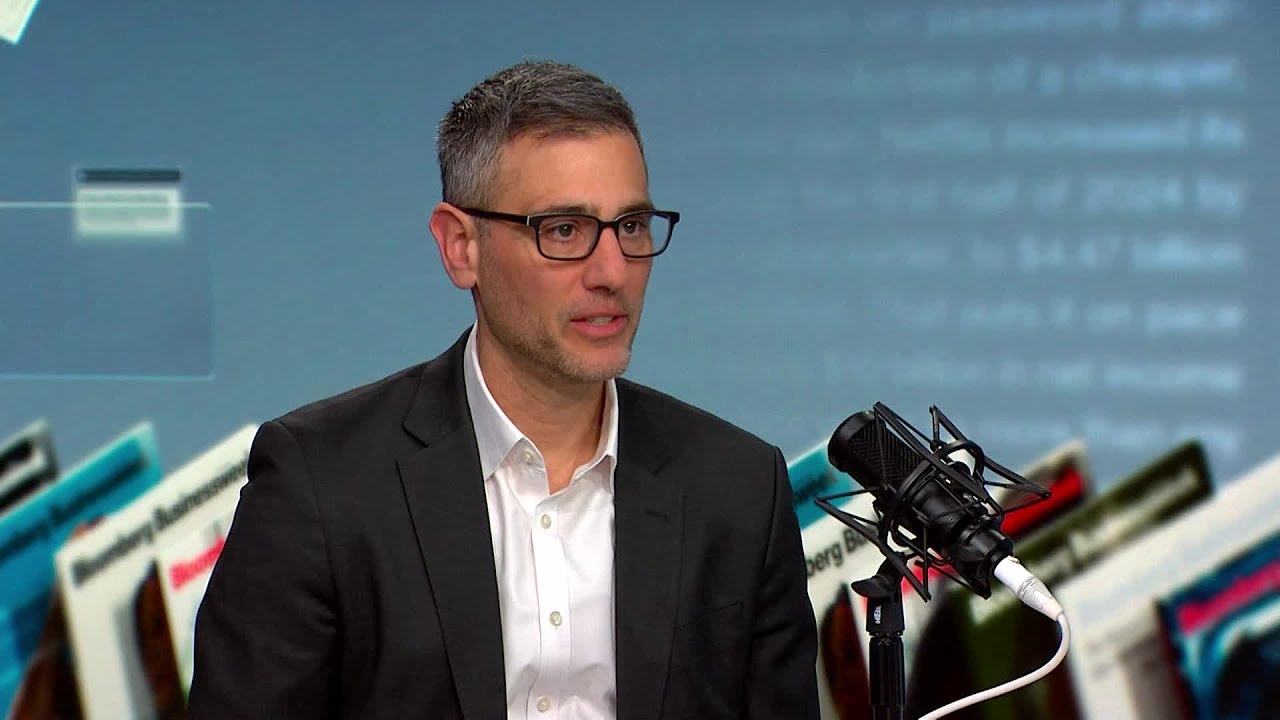
When Block laid off nearly half its staff last week, co-founder Jack Dorsey offered a seemingly simple explanation: artificial intelligence was allowing the company to do more with fewer employees. The announcement, though, landed at the center of a complex debate over AI and the future of work: on one side, genuine fear that the technology will displace jobs at an unprecedented pace; on the other, deep cynicism that companies are exploiting that fear to dress up old-fashioned cost-cutting as technological futurism. The possibility that companies are spinning employees and investors and using AI as a shiny excuse for ugly layoffs has become widespread enough that it has a nickname: AI-washing. Marcelo P. Lima, Founder and Managing Partner at Heller House, joins Bloomberg Businessweek Daily to discuss. Lima has been a vocal critic of Dorsey's management style at Block, and posted soon after the layoff announcement that the reduction in force "is the new Citrini fake narrative." Lima speaks with Carol Massar and Tim Stenovec. Jack Dorsey’s Block is cutting 4,000 employees, reducing its workforce by nearly half, in a move the financial technology firm is describing as a bet on artificial intelligence changing the future of labor productivity.
Block has been restructuring its business model and staffing since 2024 as the company’s stock has lagged. At the same time, the company has invested heavily in AI tools to run more efficiently, including building its own tool called Goose.
The reduction in force, which was announced in a shareholder letter on Thursday, comes after rolling job eliminations that have often been tied to annual performance reviews. Dorsey, the company’s co-founder, said in a call with analysts that he believes many companies will ultimately have to make similar moves due to AI.
“I don’t think we’re early to this realization,” he said. “I think most companies are late. Within the next year, I believe the majority of companies will reach the same conclusion and make similar structural changes. I’d rather get there honestly and on our own terms than be forced into it reactively.”
Block’s stock jumped as much as 21% after trading opened on Friday.
The cuts are the latest case of workforce reductions across fintech and the broader technology sector, in which companies have pointed to AI as a catalyst, with companies from Amazon Inc. to Salesforce Inc. citing the technology as justification for shrinking headcounts.
Block offered little granular detail on exactly how its AI tools are making specific roles unnecessary, and some analysts have questioned whether companies are genuinely being transformed by AI or simply using it as a convenient rationale for cost cuts they would have made anyway. Still, the anxiety around AI’s disruptive potential intensified this week after a speculative report from Citrini Research went viral, modeling a scenario in which AI agents autonomously reroute payments away from card networks and onto cheaper stablecoin rails, threatening the economics that underpin incumbents. The report triggered a selloff that erased billions in market value this week, dragging down shares of payment companies, software firms and delivery platforms before a tentative rebound.
For Block, which straddles both payments and fintech, the Citrini scenario lands close to home. Dorsey’s bet is that building AI tools internally — rather than being disrupted by them — can sustain a leaner company. Whether that gamble pays off or simply accelerates the displacement the market fears is a question that investors are only beginning to price in.
Even before the challenges created by AI, Block was struggling with questions about its competitive position. The company’s stock has dropped around 40% since the beginning of 2025.
The company had already undergone multiple rounds of layoffs in recent years in an effort to streamline operations. Its workforce nearly tripled from 2019 to 2023, according to human capital data platform Live Data Technologies.
--------
Watch Bloomberg Radio LIVE on YouTube
Weekdays 7am-6pm ET
Follow us on X
Subscribe to our Podcasts:
Bloomberg Daybreak
Bloomberg Surveillance
Bloomberg Intelligence
Balance of Power
Bloomberg Businessweek
Listen on Apple CarPlay and Android Auto with the Bloomberg Business app:
Apple CarPlay
Android Auto
Visit our YouTube channels:
Bloomberg Podcasts
Bloomberg Television
Bloomberg Originals
Sentinel Indexing in Progress
Metadata and chapters are available. Claim extraction for this episode is pending.
All video content is delivered via YouTube embedded players in accordance with the YouTube Terms of Service. Sentinel provides research tools that promote discovery and accountability across political media.