Bloomberg Podcasts
@bloombergpodcasts·503K subscribers·32.4K videos
Oil Surges as Impact of War on Middle East Energy Assets Deepens
Posted
March 3, 2026
Views
3,015
Likes
29
Comments
4
Engagement
March 3, 2026
3,015
29
4
1.09%
Every word spoken in this episode is indexed. Type any phrase to jump straight to the moment it was said.
Type any word or phrase that may have been spoken. Click a result to seek the player to that exact moment.
Try a name, a topic, or a quoted line
See what was published immediately before and after this episode.
 4:41Now Playing
Oil surged for a second day as the US and Israel stepped up their war against Iran, with the sprawling conflict’s impact on energy assets in the Persian Gulf deepening.
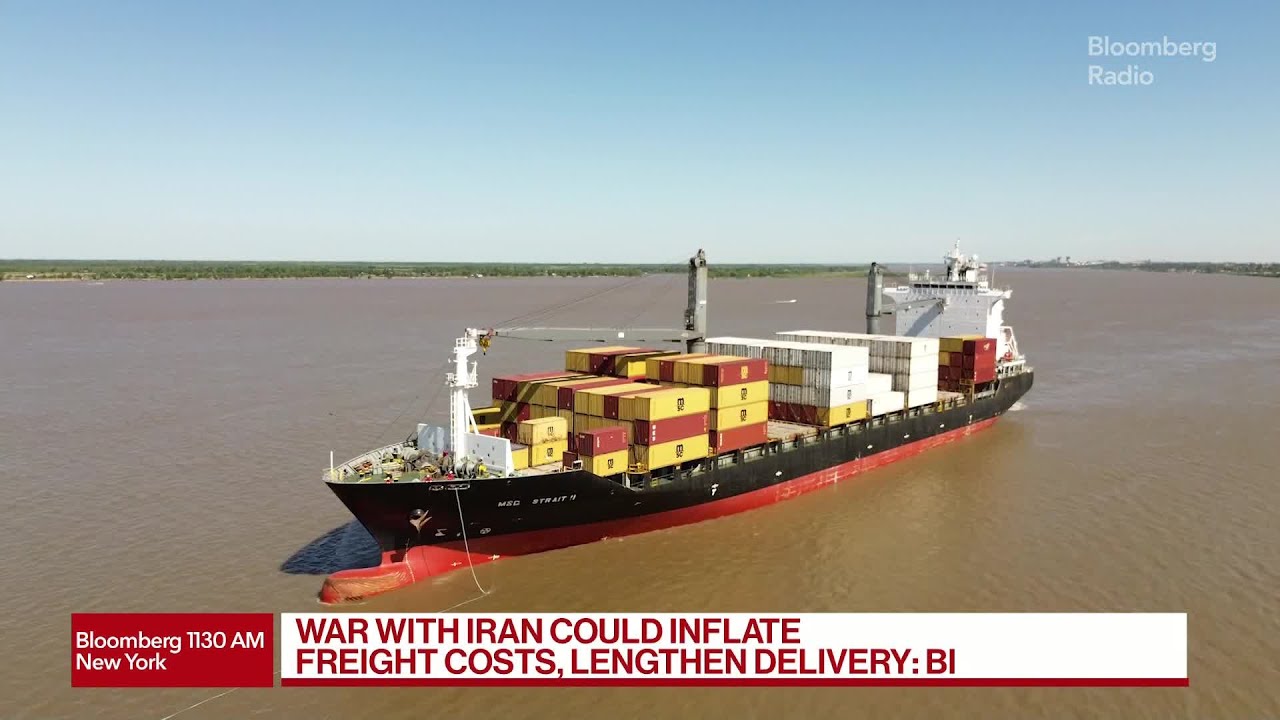
US oil futures surged as much as 9.5% after Iraq cut output at the giant Rumaila oil field and appears poised to shutter about 3 million barrels a day of output if the crisis persists, according to people familiar. Storage at the fields has been tightened because of disruptions in the Strait of Hormuz, a key shipping route, underscoring how export bottlenecks are translating into tangible supply losses. Bloomberg's Vincent Piazza joins to discuss. For the past four days, oil and gas traders have watched as a worst-case scenario unfolded for global energy supplies. Tanker traffic through the Strait of Hormuz, through which a fifth of oil production flows, has all but ground to a halt. Iranian missile and drone attacks forced the closure of both the world’s biggest liquefied natural gas facility and Saudi Arabia’s largest oil refinery.
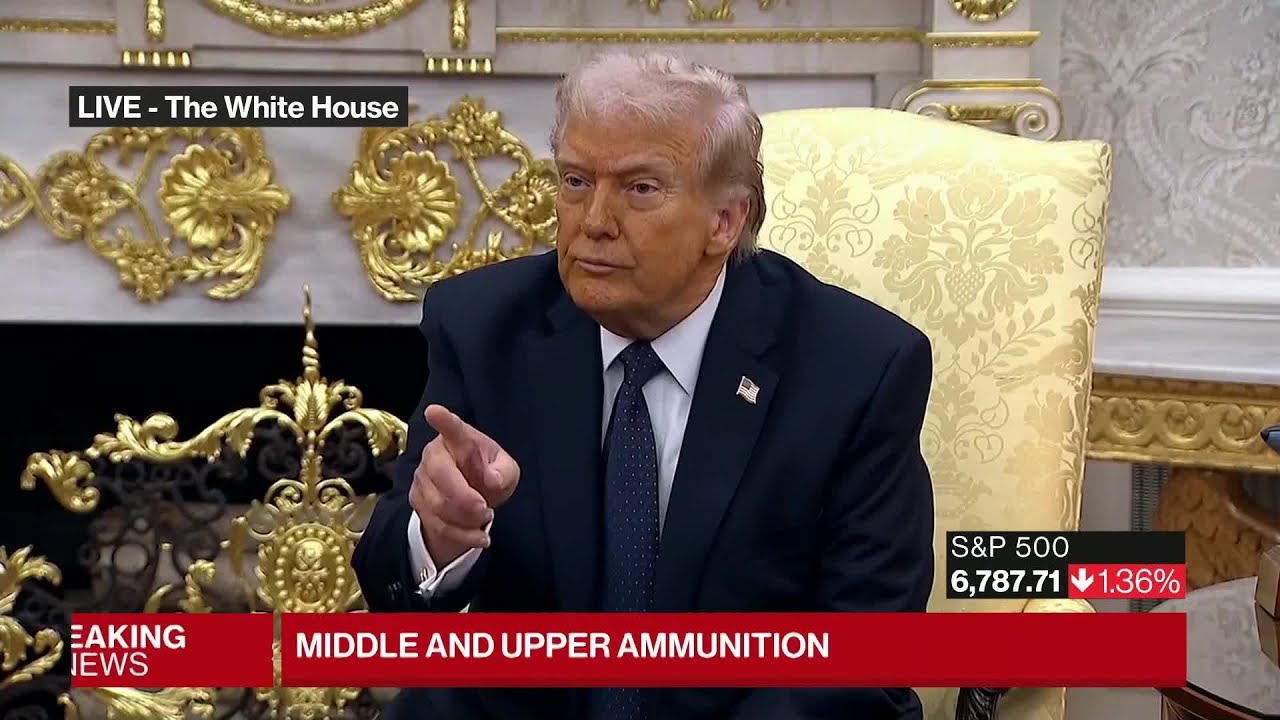
And yet while prices surged higher, the scale of the moves has been far smaller than in previous crises. Brent crude jumped on Monday, but only to its highest since 2024, while a 39% spike in European natural gas barely registered as a blip compared with the dramatic moves of the 2021-22 energy crisis. US President Donald Trump’s bet that a redrawn global energy map could afford him much more military latitude in the Middle East than his predecessors enjoyed is paying off: so far, traders are betting that the conflict will be relatively brief.
However, the near-unprecedented scale of the disruption means that an energy crisis is looming closer the longer it drags on. If the upheaval continues for more than a few days, traders warned, it could cause chaos across markets, upending supply chains and driving inflation higher. On Tuesday, with few signs of a resolution, prices ratcheted higher with European natural gas surging 22%.
“The Iranian regime is under existential threat and therefore they’re prepared to do anything to get the world’s attention to stop it,” said Gary Ross, a veteran oil consultant turned hedge fund manager at Black Gold Investors LLC. “We’ve had a somewhat muted response but the longer it carries on, the more risk there is of higher prices.” For the seaborne gas market, the shutdown of Qatar’s massive facility in Ras Laffan — which accounts for about one-fifth of global supply — is a more immediate shock. “This is unprecedented in the history of LNG,” said Richard Pratt, of Precision LNG Consulting LLC. “As global LNG storage capacity is much lower than that of oil, a sharp rise in LNG spot prices is inevitable. The LNG chain has limited slack.” Oil’s Obsession
The Strait of Hormuz has long been a focus of obsession for oil traders and analysts — “a vulnerable lifeline,” as the CIA described it in an analysis in 1979. While it accounts for less of global oil trade now than it did then, one in five barrels of oil in the world still flow through it. And its importance isn’t limited to crude oil: it’s also a critical conduit for refined products, liquefied petroleum gas, LNG and aluminum.
And yet, because it is so critical, it has become an article of faith in energy markets that the US and its allies in the region could never allow it to close for more than a few days.
That equanimity was rewarded over the past two-and-a-half years of Middle Eastern crises, in which military flare-ups left energy flows unaffected, and traders became accustomed to selling into any rallies in prices.
And so, over the past month as Trump ramped up threats to attack Iran, energy markets remained relatively calm.
--------
Watch Bloomberg Radio LIVE on YouTube
Weekdays 7am-6pm ET
Follow us on X
Subscribe to our Podcasts:
Bloomberg Daybreak
Bloomberg Surveillance
Bloomberg Intelligence
Balance of Power
Bloomberg Businessweek
Listen on Apple CarPlay and Android Auto with the Bloomberg Business app:
Apple CarPlay
Android Auto
Visit our YouTube channels:
Bloomberg Podcasts
Bloomberg Television
Bloomberg Originals
Sentinel Indexing in Progress
Metadata and chapters are available. Claim extraction for this episode is pending.
All video content is delivered via YouTube embedded players in accordance with the YouTube Terms of Service. Sentinel provides research tools that promote discovery and accountability across political media.