Bloomberg Podcasts
@bloombergpodcasts·503K subscribers·32.4K videos
Stocks Sink Amid Weak Jobs and Inflation Jitters
Posted
March 6, 2026
Views
3,656
Likes
36
Comments
10
Engagement
1.26%
March 6, 2026
3,656
36
10
1.26%
Every word spoken in this episode is indexed. Type any phrase to jump straight to the moment it was said.
Type any word or phrase that may have been spoken. Click a result to seek the player to that exact moment.
Try a name, a topic, or a quoted line
See what was published immediately before and after this episode.
 9:11Now Playing
Eric Van Nostrand, Chief Investment Officer at Lazard Asset Management, assesses how geopolitical risk is weighing on markets.
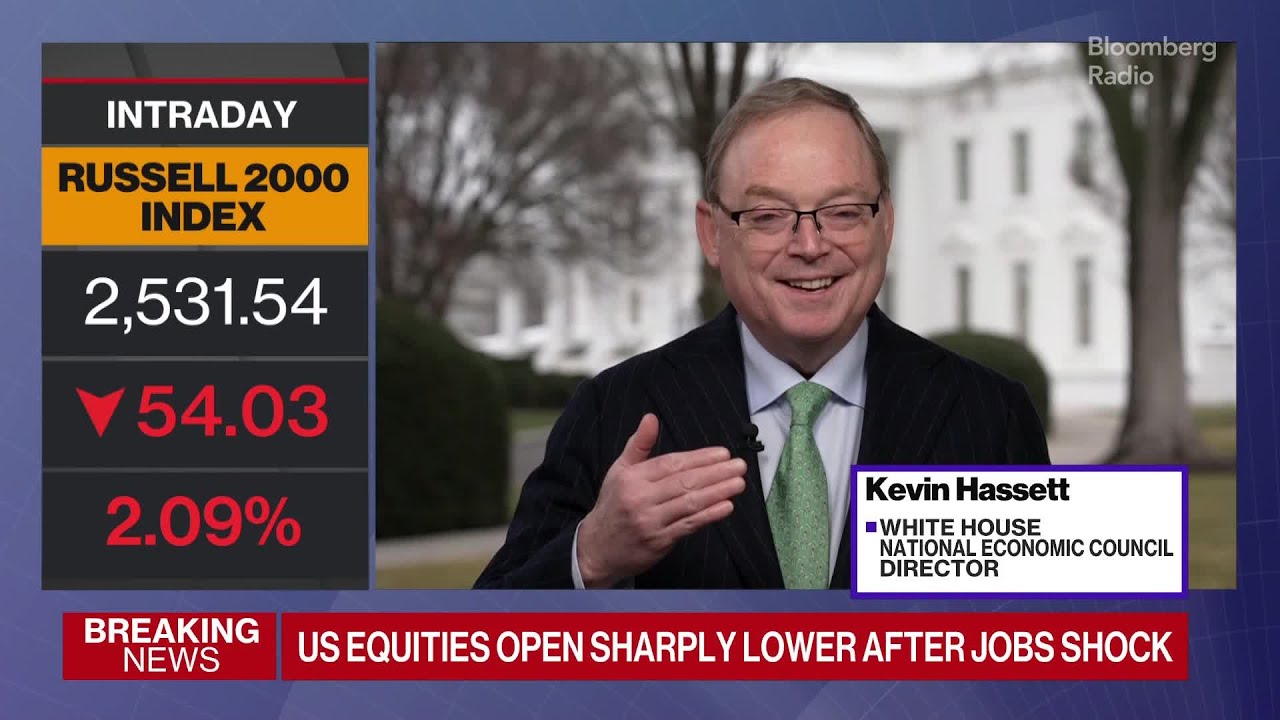
A weak jobs report hit stocks at a time when a widening war in the Middle East is lifting oil prices and fueling inflation jitters. Renewed anxiety about the private credit industry also curbed risk appetite. Bonds whipsawed.
Equities headed toward their worst week since October, with the S&P 500 falling 1.7%. BlackRock Inc. curbed withdrawals from a $26 billion private-credit fund. Brent topped $90. An initial rebound in Treasuries in the aftermath of the economic data fizzled out, with 10-year yields up two basis points to 4.16%. That’s even as traders slightly boosted bets on Federal Reserve rate cuts.
Nonfarm payrolls slid 92,000 last month after a strong start to the year. The drop was one of the largest since the pandemic, partly reflecting a decrease in health-care employment due to strike activity. The unemployment rate rose to 4.4%.
The figures could refocus the Fed’s attention on the jobs market as it assesses how long to hold rates steady. Policymakers have been more attuned to inflation lately — even before the war on Iran sparked concerns about price pressures.
“Today’s numbers may have put the Fed between a rock and a hard place,” said Ellen Zentner at Morgan Stanley Wealth Management. “Significant weakening in the labor market would support a rate cut, but given the risk that higher-for-longer oil prices could trigger another inflation surge, the Fed may feel compelled to remain on the sidelines.”
The conflict in the Middle East is stoking fears over a global energy crunch as exporters scramble for routes out of the region while a swath of refineries reduce output, unleashing a wave of disruption across energy markets.
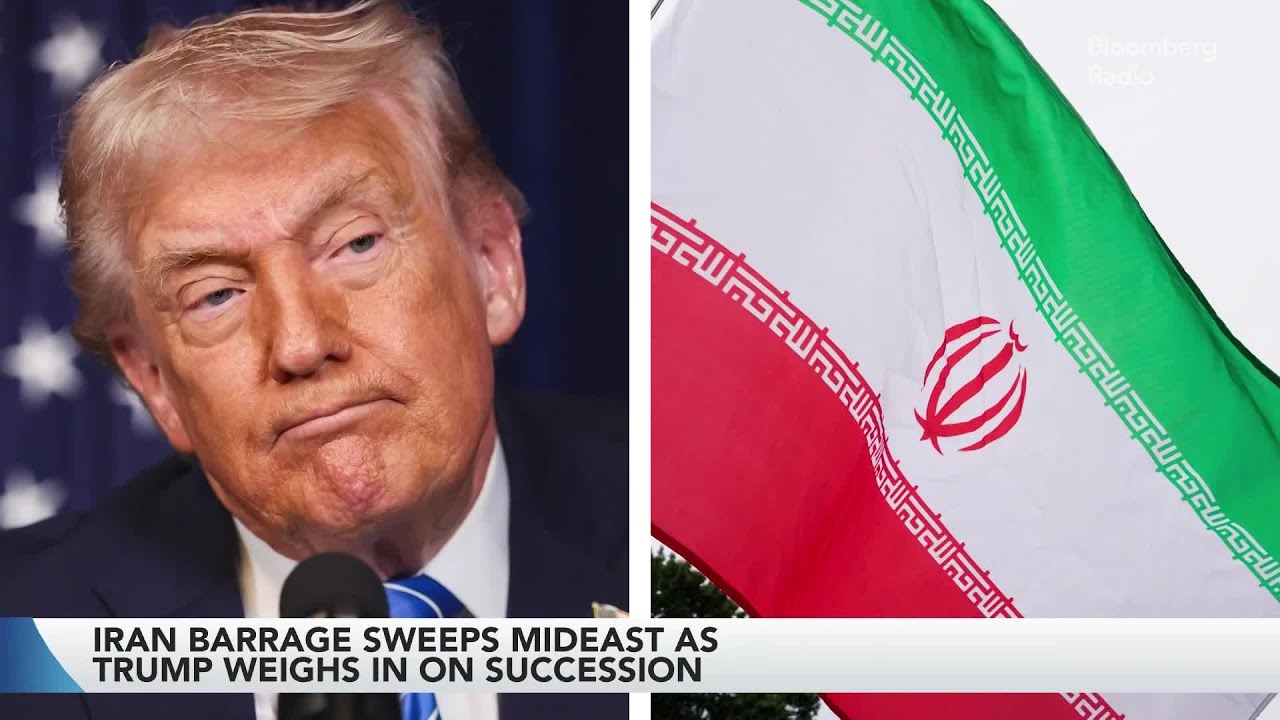
President Donald Trump said he doesn’t want to negotiate an end to the war with Iran in a post on social media that demanded Tehran capitulate as US and Israeli airstrikes continue. A negative payrolls number combined with a jump in oil prices will have traders worrying about stagflation risks, according to Brian Jacobsen at Annex Wealth Management.
“Today’s numbers may have put the Fed between a rock and a hard place,” said Ellen Zentner at Morgan Stanley Wealth Management. “Significant weakening in the labor market would support a rate cut, but given the risk that higher-for-longer oil prices could trigger another inflation surge, the Fed may feel compelled to remain on the sidelines.”
With no sign of a let-up in hostilities in the Middle East, the conflict unleashes a wave of disruption across energy markets, with shipping through the Strait of Hormuz at a near-total halt. Trump said he doesn’t want to negotiate an end to the war with Iran in a post on social media that demanded Tehran capitulate. Fed Governor Christopher Waller said on Bloomberg TV he doesn’t expect the Iran war to have a sustained impact on inflation. Meantime, Fed Bank of San Francisco President Mary Daly told CNBC that a disappointing February employment report undermines the notion that the labor market was stabilizing.
While the latest jobs report precedes the Iran conflict, the recent spike in oil prices raises the probability of stronger energy inflation ahead, according to Andy Schneider at BNP Paribas.
“Modest increases in oil prices, even if sustained, have transitory effects on US headline inflation and minimal effects on US core inflation,” said Michael Gapen at Morgan Stanley. “The Fed can look through these increases, but with inflation above target as long as it has been, even modest oil price pressures could delay rate cuts.”
Absent second round effects or rising inflation expectations, he believes Fed rate hikes have a high bar. A substantial rise in oil prices could weaken activity, acting like an uncertainty shock and putting rate cuts in play, Gapen noted.
If the labor market keeps losing steam, it becomes a more delicate backdrop — especially with geopolitical uncertainty on the rise and energy prices capable of acting as an added tax at the gas pump, according to Bret Kenwell at eToro.
--------
Watch Bloomberg Radio LIVE on YouTube
Weekdays 7am-6pm ET
Follow us on X
Subscribe to our Podcasts:
Bloomberg Daybreak
Bloomberg Surveillance
Bloomberg Intelligence
Balance of Power
Bloomberg Businessweek
Listen on Apple CarPlay and Android Auto with the Bloomberg Business app:
Apple CarPlay
Android Auto
Visit our YouTube channels:
Bloomberg Podcasts
Bloomberg Television
Bloomberg Originals
Sentinel Indexing in Progress
Metadata and chapters are available. Claim extraction for this episode is pending.
All video content is delivered via YouTube embedded players in accordance with the YouTube Terms of Service. Sentinel provides research tools that promote discovery and accountability across political media.