Bloomberg Podcasts
@bloombergpodcasts·503K subscribers·32.4K videos
Iran War’s Political Fallout
Posted
March 7, 2026
Views
22,012
Likes
117
Comments
45
Engagement
0.74%
March 7, 2026
22,012
117
45
0.74%
Every word spoken in this episode is indexed. Type any phrase to jump straight to the moment it was said.
Type any word or phrase that may have been spoken. Click a result to seek the player to that exact moment.
Try a name, a topic, or a quoted line
See what was published immediately before and after this episode.
 3:12Now Playing
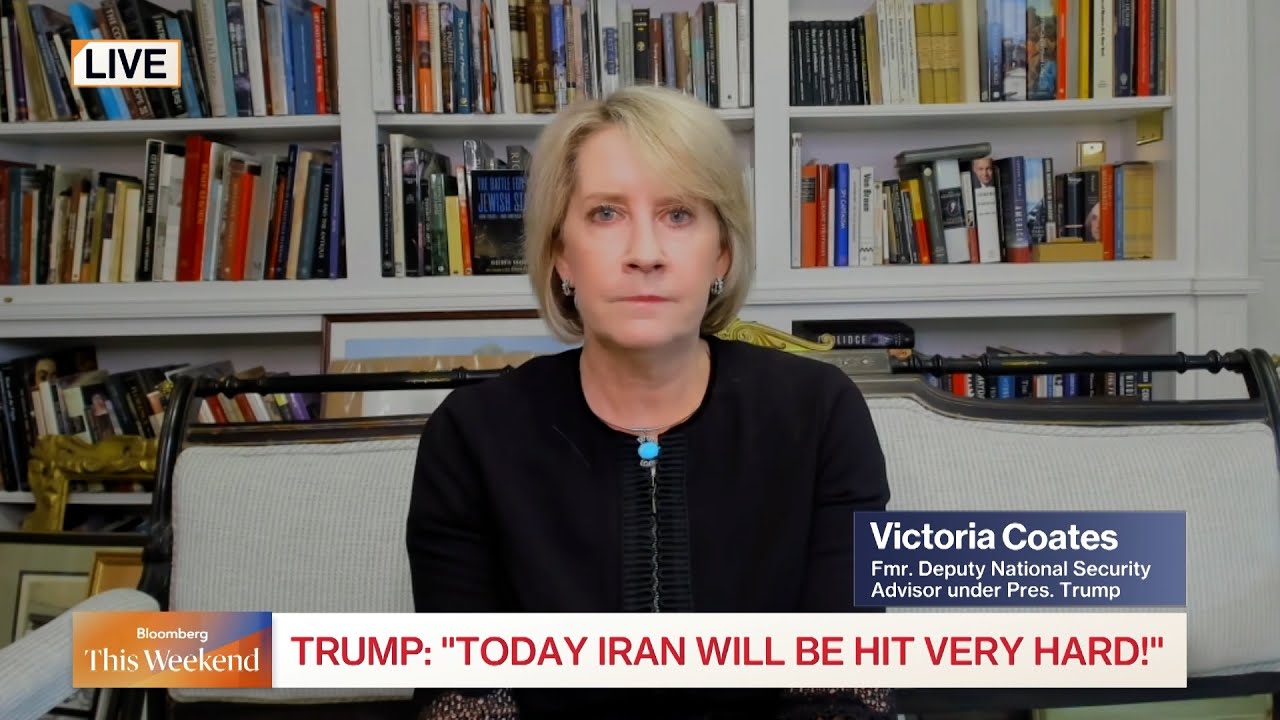
Bloomberg senior national political correspondent Nancy Cook discusses how the war in Iran is fracturing Trump's MAGA base and endangering Republican prospects in the 2026 midterms on "Bloomberg This Weekend" with Bloomberg’s David Gura and Christina Ruffini. The dollar has emerged as the haven asset of choice, with the Bloomberg Dollar Spot index up almost 2% since the war began. US stocks have so far seen a milder impact than global peers, with the S&P 500 Index falling 2% last week while MSCI’s broadest gauge of global equities slumped 3.7%.
The resilience can be partially attributed to the fact that the US has greater energy self-sufficiency than other markets such as Asia, according to Wilsons Advisory. Moreover, concerns over artificial intelligence spending and potential business disruption had already taken some wind out of US equities.
S&P 500 futures fell more than 2% in Asian trading hours before recouping some losses as Group of Seven finance ministers are set to discuss a possible joint release of oil reserves on Monday. Meanwhile, hedge funds boosted short positions in US equity exchange-traded funds and the Cboe VIX Index surged to the highest level since April’s tariff turmoil. Yields on the 10-year Treasury rose four basis points to 4.18% as traders priced in higher inflation.
Investors have pushed back expectations for the Fed’s next quarter-point rate cut to September. At the end of February, before the war erupted, traders had fully priced in a move by July. Some bond options traders are now betting the Fed may not cut rates at all this year.
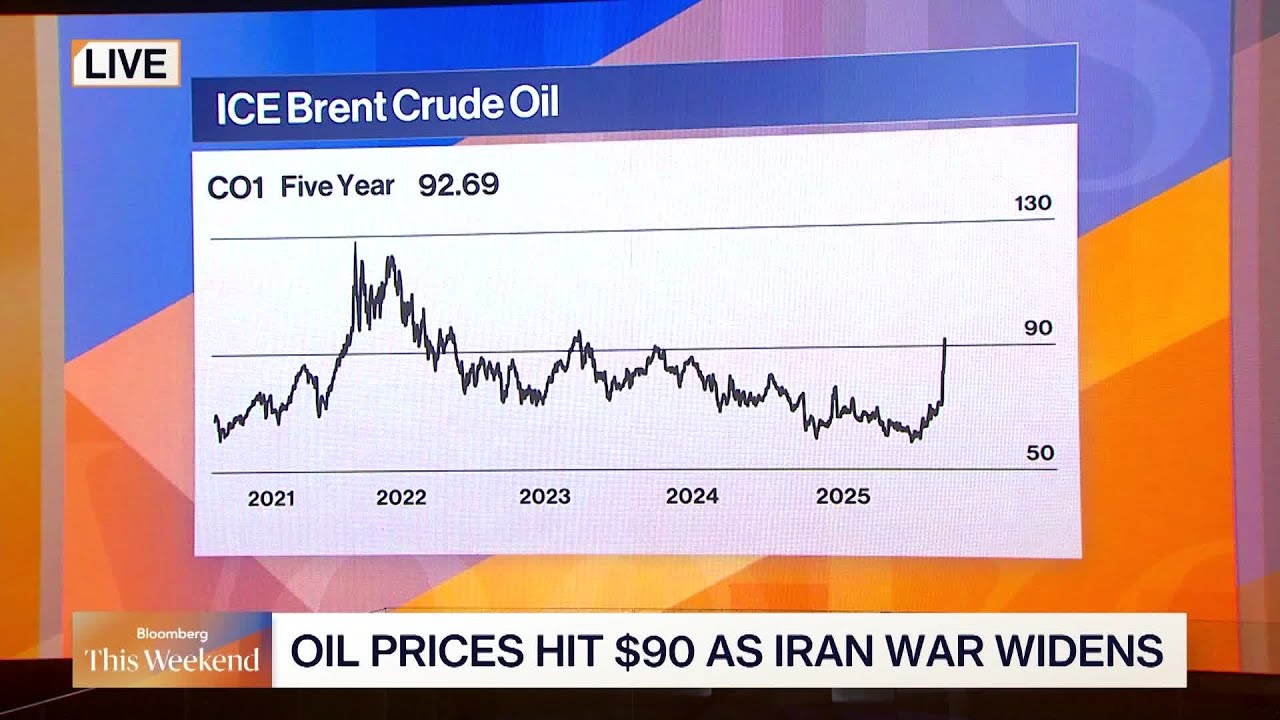
Adding to concerns of a prolonged war, Trump said Sunday evening that the military campaign against Iran was worth any near-term pain because it would deliver lasting benefits, calling $100 oil a “small price to pay.”
Meanwhile, Iran’s decision to name Mojtaba Khamenei, the hardline son of the assassinated Ayatollah Ali Khamenei, as its new supreme leader signaled Tehran won’t back down in the war now raging across the Middle East. The Bloomberg Dollar Spot index rose as much as 0.7% to its highest level since Jan. 16.
Yardeni has gotten market calls right in the past. In December, the strategist recommended effectively going underweight the so-called Magnificent Seven technology stocks versus the rest of the S&P 500.
His base case remains intact. The so-called “Roaring 2020s” scenario, which envisages a decade of robust and sustainable US growth fueled by rapid productivity gains, still carries a 60% probability through the end of the year.
The outlook is better over the coming decade. Yardeni assigns an 85% chance of a continuation of the Roaring 2020s. He also sees a 15% chance of a “stagflating 1970s redux.”
“If investors start expecting stagflation, a bear market is more likely,” he wrote.
--------
Watch Bloomberg Radio LIVE on YouTube
Weekdays 7am-6pm ET
Follow us on X
Subscribe to our Podcasts:
Bloomberg Daybreak
Bloomberg Surveillance
Bloomberg Intelligence
Balance of Power
Bloomberg Businessweek
Listen on Apple CarPlay and Android Auto with the Bloomberg Business app:
Apple CarPlay
Android Auto
Visit our YouTube channels:
Bloomberg Podcasts
Bloomberg Television
Bloomberg Originals
Sentinel Indexing in Progress
Metadata and chapters are available. Claim extraction for this episode is pending.
All video content is delivered via YouTube embedded players in accordance with the YouTube Terms of Service. Sentinel provides research tools that promote discovery and accountability across political media.